


Listen to the article
Alcohol’s “Warming Effect” Poses Serious Cold Weather Risks, Experts Warn
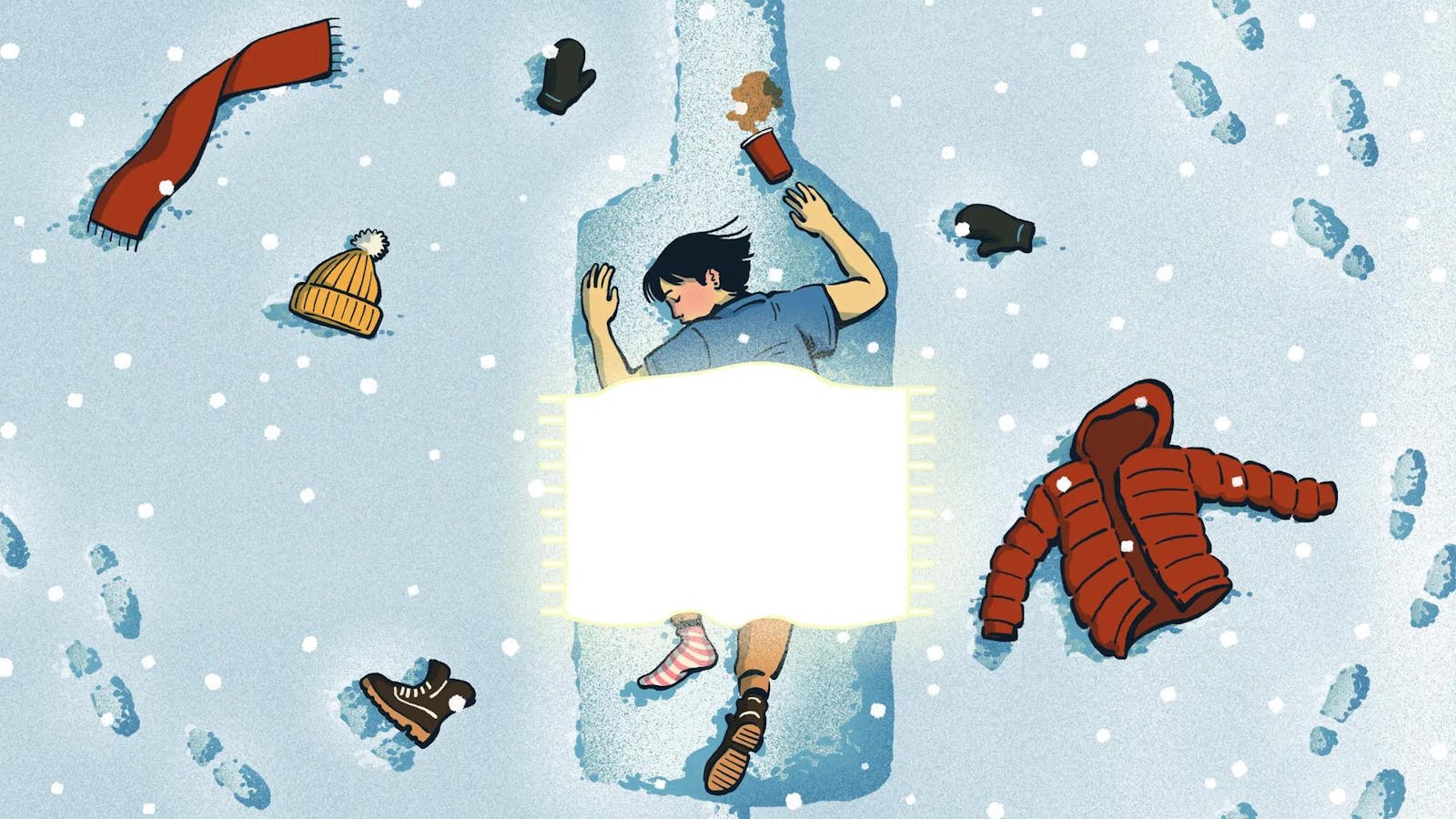
As winter temperatures linger and St. Patrick’s Day celebrations approach, health experts are sounding the alarm on a dangerous misconception about alcohol consumption in cold weather. The phenomenon known as the “alcohol blanket”—the feeling of warmth that comes after drinking—may actually increase the risk of hypothermia rather than protect against it.
Christopher Kahler, professor of behavioral and social sciences and director of the Center for Alcohol and Addiction Studies at Brown University, explains that this deceptive warming sensation is well-documented but widely misunderstood by the public.
“What people experience as warmth is actually alcohol’s ability to dilate peripheral blood vessels,” says Kate Carey, director and professor of behavioral and social sciences. This dilation, which can occur even at low blood alcohol concentrations, pushes blood toward the skin’s surface, creating a temporary warming sensation.
However, this perceived warmth masks a dangerous reality. As blood moves outward to the skin, the body’s core temperature actually drops. “Blood is losing its heat from the core, so as it’s circulating back through the body, it’s cooler than it was when it started,” Carey explains.
The dangers are compounded by alcohol’s effects on the brainstem—the part of the brain that regulates vital functions including heart rate, breathing, and body temperature. With these physiological controls impaired, drinkers may not recognize when their body temperature falls to dangerous levels.
According to the Centers for Disease Control and Prevention, alcohol-related hypothermia claimed an average of 302 lives annually across the United States in 2020-2021, highlighting the very real consequences of this misunderstood phenomenon.
The social aspects of drinking further complicate the issue. Carey notes that drinking is primarily a social activity, which can lead to peer influence on clothing choices inappropriate for cold weather. “When someone sees others wearing clothing that might be inappropriate for the weather while going out, they may be motivated to wear something similar,” she says.
Kahler adds that social settings often encourage overconsumption as people match the drinking pace of those around them, potentially increasing risk-taking behaviors in cold conditions.
College students interviewed about their experiences with the alcohol blanket offered perspectives that align with the scientific explanation. Colin Bavibidila, a sophomore, described the sensation not as warmth but as numbness. “You don’t even register the cold necessarily,” he said. “It’s just like the absence of any feeling at all.”
Fellow sophomore Naomi LeDell acknowledged alcohol’s influence on cold perception but maintains a practical approach: “When you’re drunk, you care less about the cold,” she said, noting that she always brings a jacket regardless. “I’d rather be warm.”
Freshman Selena Yuan suggested the effect might be more about altered awareness than actual warming: “You’re probably just not as aware of your surroundings,” she said.
For those planning to celebrate outdoors during transitional weather periods, experts recommend several safety measures. Kahler emphasizes having a plan for drinking, tracking consumption, and being aware of how long one has been drinking. Equally important is considering environmental factors: how long you’ll be outside, the walking distance between venues, and expected weather conditions.
The experts’ consensus is clear—despite what your body might tell you after a few drinks, alcohol provides no protection against cold weather. The “alcohol blanket” is merely an illusion that could potentially lead to dangerous exposure.
As spring celebrations commence and temperatures fluctuate, the most prudent advice remains simple: regardless of how warm you might feel after drinking, always bring appropriate outerwear for the actual weather conditions.
Fact Checker
Verify the accuracy of this article using The Disinformation Commission analysis and real-time sources.

18 Comments
This is an important fact check that debunks a common myth. The science behind the physiological effects of alcohol in cold weather is eye-opening. I appreciate the experts taking the time to explain this clearly.
Yes, it’s great to have this kind of educational content to help people understand the risks. Awareness is key, especially for those who may be inclined to think a few drinks will keep them warm.
The experts’ explanation of how alcohol dilates blood vessels and pushes blood to the skin’s surface, while core body temperature drops, makes a lot of sense. It’s a counterintuitive but dangerous effect that people need to understand.
Absolutely. This false sense of warmth can be very misleading and put people at serious risk of hypothermia if they’re not careful. Good to see this being highlighted.
Interesting article on the misconception around alcohol’s warming effects. It’s concerning that it can actually increase the risk of hypothermia in cold weather, even at low blood alcohol levels. Good to know the science behind this phenomenon.
Agreed, it’s an important safety issue to be aware of, especially as winter weather and celebrations like St. Patrick’s Day can coincide. Proper education on the risks is crucial.
As someone who enjoys outdoor activities in cold weather, this article is a timely and important reminder. The science behind alcohol’s effect on the body in these conditions is eye-opening. I’ll be sure to share this information with friends and family.
That’s a great idea. The more people who understand the risks, the better. Sharing this kind of educational content could genuinely help save lives during the winter months.
As someone who enjoys winter sports, I found this article very informative. It’s crucial to be aware of the dangers of alcohol use in cold weather, even in moderate amounts. Safety should always come first.
Absolutely. This is an important safety issue that deserves more attention, especially as the winter season progresses. Staying hydrated and sober is the best way to avoid hypothermia risks.
As someone who enjoys outdoor activities in cold weather, this is a good reminder to be cautious about alcohol use, even in small amounts. The risks of hypothermia are not to be taken lightly.
Completely agree. It’s easy to get a false sense of security from that warming sensation, but the underlying reality is quite dangerous. Better to stay sober and dress properly for the conditions.
Kudos to the experts for taking the time to explain the science behind this misconception. It’s a valuable public service to raise awareness about the real risks of alcohol consumption in cold weather conditions.
I agree. This kind of fact-based, educational content is so important, especially when it comes to health and safety issues that can have serious consequences. Well done to the authors for tackling this topic head-on.
This is a really well-researched and clearly explained article. I’m glad to see experts taking the time to debunk this common misconception and highlight the serious health risks. It’s an important public service.
Absolutely. Having authoritative voices provide the scientific facts is crucial for public safety, especially around issues that involve potentially dangerous behaviors. Great to see this kind of content being produced.
Given the prevalence of alcohol consumption during winter and cold weather activities, this is an important public health issue. I’m glad to see experts sounding the alarm and providing the scientific explanation behind it.
Yes, it’s crucial that people understand the risks, especially as the holidays and celebrations approach. Raising awareness of this misconception could potentially save lives.