


Listen to the article
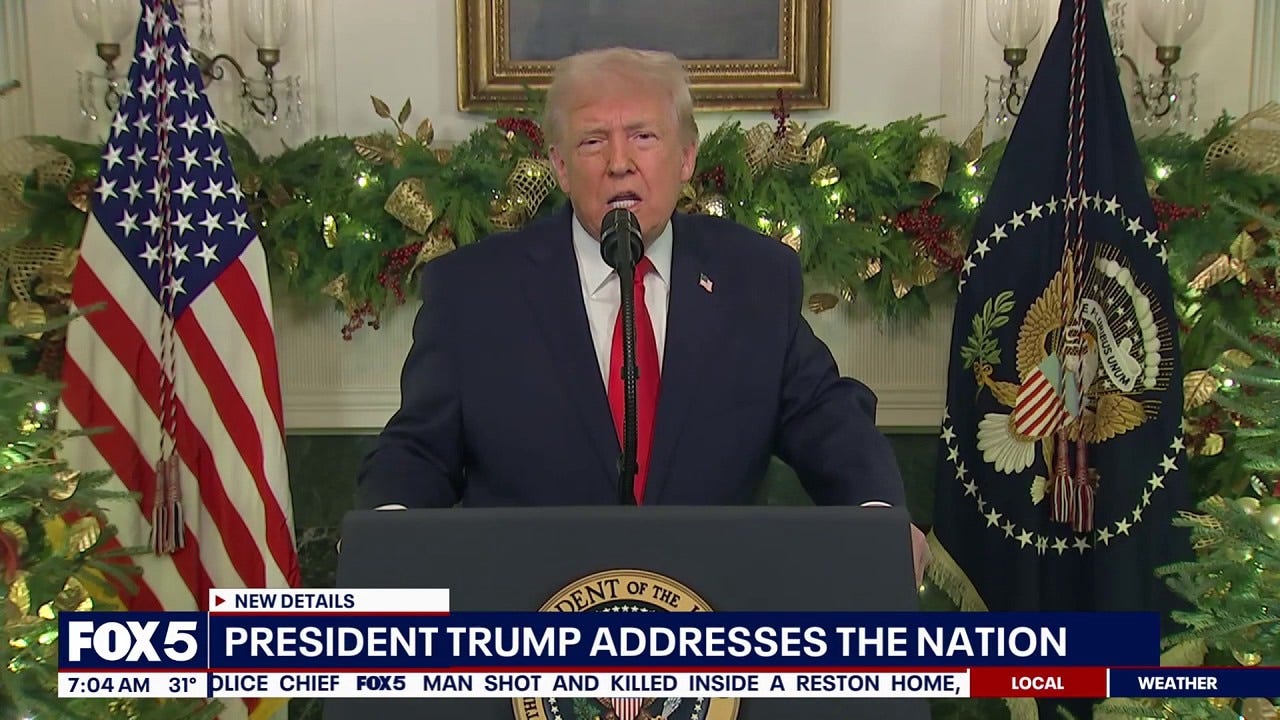
In a striking contrast to the experiences of many Americans, President Donald Trump painted an optimistic picture of the nation’s trajectory during his Wednesday address, making claims that at times diverged significantly from his own administration’s data.
The president’s remarks, delivered from the White House, characterized the United States as experiencing unprecedented prosperity and progress across multiple sectors. However, a closer examination of these assertions reveals several discrepancies between the administration’s narrative and the economic realities facing American households.
Economic indicators from the Commerce Department show a more nuanced picture than what was presented in the presidential address. While the stock market has indeed shown resilience in recent quarters, wage growth has remained stagnant for middle-income earners, according to the Bureau of Labor Statistics. The disconnect between Wall Street performance and Main Street economic health continues to be a point of concern for economists monitoring the recovery.
The president’s claims regarding manufacturing growth also merit scrutiny. Trump cited manufacturing job creation figures that significantly exceed the official data compiled by his own Labor Department. Current statistics indicate the manufacturing sector has experienced modest growth in certain regions, particularly in the Midwest, but has struggled in other parts of the country, creating a patchwork recovery rather than the uniform resurgence described in the address.
On healthcare, the president’s assertions about reduced costs for prescription medications contradict recent reports from the Department of Health and Human Services, which show continued price increases for many commonly prescribed drugs. The administration’s healthcare initiatives, while producing some regulatory changes, have not yet delivered the comprehensive cost reductions promised to American consumers.
The address also highlighted infrastructure developments, claiming completion of several major projects. However, the Department of Transportation’s own progress reports indicate many of these initiatives remain in early planning or initial construction phases, with completion dates scheduled well beyond the timeframe suggested in the president’s remarks.
Perhaps most notably, the president’s description of environmental improvements stands at odds with Environmental Protection Agency data released just last month. These reports document ongoing challenges in air and water quality in several regions, particularly in areas with significant industrial activity.
Economic analysts from across the political spectrum have noted the disconnect between the administration’s portrayal and on-the-ground realities. “There’s always some degree of optimistic framing in presidential addresses, but the gap between the claims and the data is particularly pronounced in this case,” said Dr. Eleanor Michaels, senior economist at the Brookings Institution.
The timing of the address comes as the administration faces increasing pressure to address persistent economic inequalities that have been exacerbated during recent market fluctuations. The Federal Reserve’s regional reports indicate that while some metropolitan areas have experienced robust growth, rural communities and former manufacturing hubs continue to face significant economic headwinds.
Consumer confidence surveys further complicate the narrative presented in the address. The University of Michigan’s Consumer Sentiment Index released last week showed mixed results, with short-term optimism offset by longer-term concerns about economic stability, particularly among middle-income households.
Congressional responses to the address have fallen along predictable partisan lines. Republican lawmakers praised the president’s vision, while Democratic representatives questioned the accuracy of several key claims, particularly those related to healthcare accessibility and middle-class tax benefits.
As Americans approach the holiday season, many households are navigating complex economic realities that differ substantially from the uniformly positive portrait presented by the president. Regional disparities in economic recovery, ongoing healthcare cost concerns, and wage stagnation continue to shape the lived experiences of citizens across the country.
Independent fact-checking organizations are expected to release detailed analyses of the president’s claims in the coming days, providing additional context for voters seeking to reconcile the administration’s statements with their personal economic circumstances.
Fact Checker
Verify the accuracy of this article using The Disinformation Commission analysis and real-time sources.

9 Comments
It’s concerning to see such significant discrepancies between the administration’s narrative and the economic data. Transparent, evidence-based analysis is vital for citizens to understand the true state of the nation.
Manufacturing job figures are an important indicator, so it’s good to scrutinize the president’s claims against the data. Fact-checking helps provide a clearer picture of economic realities on the ground.
This fact check underscores the need for objective, data-driven reporting on economic issues. Relying solely on political rhetoric can distort the public’s understanding of complex realities.
Agreed. Fact-checking helps cut through the noise and provide a clearer picture of the facts, which is essential for informed decision-making by citizens and policymakers alike.
An interesting analysis. It’s important to examine claims through the lens of available data, rather than accepting political narratives at face value. Fact-checking plays a vital role in maintaining the integrity of public discourse.
This highlights the importance of rigorous, impartial fact-checking, especially when it comes to high-profile political speeches. Aligning rhetoric with available data is crucial for informed public discourse.
The disconnect between Wall Street and Main Street performance is an ongoing challenge. While the stock market may be resilient, wage growth and household economic health deserve closer attention from policymakers.
Absolutely. Focusing too narrowly on stock market metrics can obscure the real experiences of average American families. A more holistic view of economic conditions is needed.
An interesting fact check on the president’s address. It’s important to examine claims against the available economic data, rather than relying solely on rhetoric. Objective analysis is key to understanding the true state of affairs.