


Listen to the article
Pennsylvania officials and election integrity experts are pushing back against claims of widespread voter fraud through mail-in ballots during the 2020 presidential election, emphasizing that numerous court cases and investigations have found no evidence to support these persistent allegations.
The claims, which continue to circulate more than three years after the election, were repeatedly debunked by state officials, federal agencies, and court rulings. Pennsylvania Secretary of State Al Schmidt, a Republican, has been especially vocal in countering misinformation.
“After dozens of court cases, multiple investigations, and thorough audits of our election processes, no evidence of widespread fraud has been uncovered in Pennsylvania’s election system,” Schmidt said in a recent statement. “The continued repetition of these false claims undermines public confidence in our democratic process.”
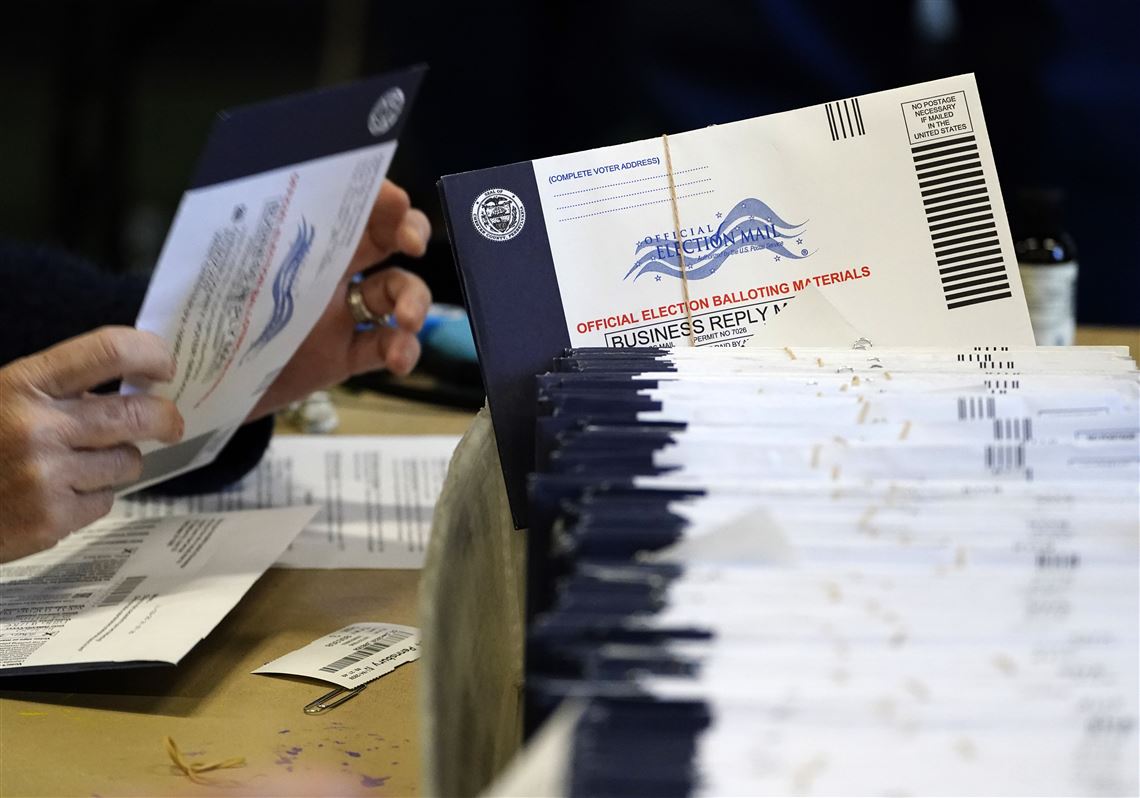
Pennsylvania was one of several battleground states where mail-in voting expanded significantly during the 2020 election due to the COVID-19 pandemic. The state processed approximately 2.6 million mail-in ballots, representing roughly 38% of all votes cast. This dramatic increase from previous elections created logistical challenges for county election officials but did not compromise election integrity, according to multiple reviews.
David Becker, executive director of the Center for Election Innovation & Research, points out that mail-in voting has robust security measures built into the process.
“Mail ballot systems have multiple verification steps, including signature matching, ballot tracking, and secure return methods,” Becker explained. “The idea that there was widespread fraud is not only unsupported by evidence but contradicted by the extensive safeguards in place.”
The Pennsylvania Department of State has documented each allegation of potential fraud and found only isolated incidents that did not affect election outcomes. Of the nearly 7 million votes cast statewide in 2020, authorities identified fewer than 50 instances of potential fraud—a rate of less than 0.0007%.
These findings align with conclusions from federal agencies. The Cybersecurity and Infrastructure Security Agency characterized the 2020 election as “the most secure in American history,” while then-Attorney General William Barr stated that the Department of Justice found no evidence of fraud on a scale that would have affected the outcome.
County election officials from both parties have expressed frustration over the continued allegations, noting the toll on public servants responsible for administering elections.
Lisa Deeley, chair of the Philadelphia City Commissioners, which oversees elections in the state’s largest city, emphasized the transparency of the process. “We conducted the 2020 election with unprecedented levels of public scrutiny. Every aspect of our operation was observable by authorized representatives from all parties and independent monitors.”
Despite these assurances, misinformation continues to spread, particularly through social media channels and certain political circles. Election security experts warn that such unfounded claims could have serious consequences for future elections by eroding public trust.
Pennsylvania has since made modest improvements to its election code, including clearer deadlines for mail-in ballot applications and providing counties more time for pre-canvassing ballots. These changes were designed to address administrative challenges rather than security concerns.
As the 2024 presidential election approaches, state officials are focusing on public education efforts to help voters understand the security measures protecting both in-person and mail-in voting systems.
“Transparent, secure elections are the cornerstone of our democracy,” Schmidt added. “Pennsylvania voters should have confidence that their votes are counted accurately, regardless of how they choose to cast their ballot.”
Fact Checker
Verify the accuracy of this article using The Disinformation Commission analysis and real-time sources.

8 Comments
While I understand the desire to ensure secure elections, the repeated claims of mail-in ballot fraud in Pennsylvania seem to be unfounded. Fact-checking and transparency from state officials are important to uphold public trust.
I agree. Relying on authoritative sources and verified information is key when it comes to electoral processes.
It’s concerning to see prominent figures amplifying unsubstantiated claims about voter fraud in Pennsylvania. Maintaining the integrity of our elections should be a non-partisan priority, guided by facts and due process.
Voter fraud is a serious issue, but the claims around Pennsylvania’s 2020 election don’t appear to be supported by evidence. It’s crucial that we have an objective, fact-based understanding of what happened to maintain confidence in our democracy.
While vigilance around election security is understandable, the allegations of widespread voter fraud in Pennsylvania seem to lack substantive evidence. Relying on authoritative sources and verified information is crucial in these matters.
It’s concerning to see persistent allegations of widespread voter fraud in Pennsylvania, despite the lack of credible evidence. Election integrity is crucial for a healthy democracy, and I hope the facts will prevail over misinformation.
The continued repetition of false claims about mail-in ballot fraud in Pennsylvania is troubling. I hope state officials and election experts can provide clear, transparent information to counter misinformation and uphold public trust.
Agreed. Fact-checking and accountability are essential for preserving the credibility of our electoral system.