


Listen to the article
UK Nuclear Arsenal: Green Party Leader’s Claims on Trident Warheads Challenged
Green Party leader Zack Polanski recently sparked debate over the UK’s nuclear capabilities when he claimed on social media that Britain “leases the warheads from the USA” for its Trident nuclear deterrent system. His statement, which also asserted that the system “doesn’t work,” has been met with clarification from defense experts and government sources.
Official documentation from the Ministry of Defence (MoD) contradicts Polanski’s claim about the warheads. According to the MoD’s website, the nuclear warheads used in Britain’s Trident missile system are designed and manufactured domestically at AWE Nuclear Security Technologies in Berkshire, not leased from the United States.
The confusion may stem from the complex relationship between the UK and US regarding nuclear defense systems. While the warheads themselves are British-made, the Trident II D5 missiles that carry these warheads are indeed American-produced. This arrangement dates back to the 1963 Polaris Sales Agreement, which was later amended to cover the Trident system.
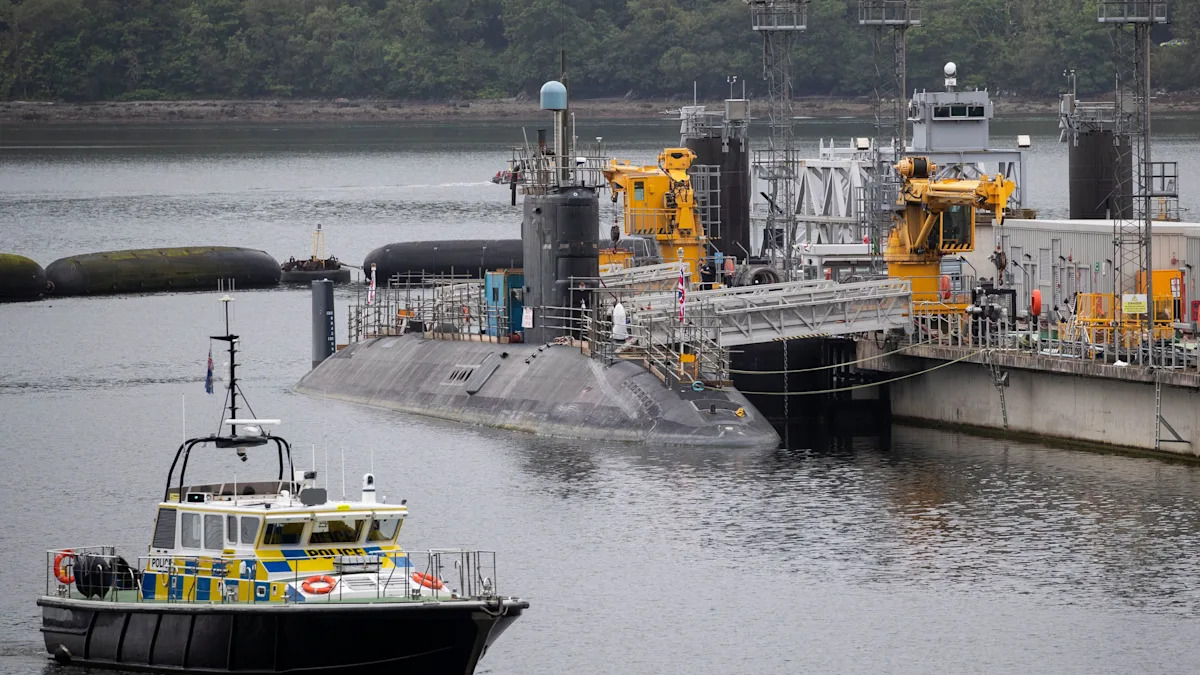
Under this long-standing agreement, the UK purchases a specific number of missiles from a shared stock maintained at Kings Bay Submarine Base in Georgia. These missiles are loaded onto Britain’s ballistic missile submarines, also known as SSBNs, before returning to the UK where the British-manufactured warheads are fitted at His Majesty’s Naval Base Clyde in Scotland.
The UK’s nuclear deterrent relies on four Vanguard Class submarines, which will eventually be replaced by the new Dreadnought Class vessels currently under construction. This replacement program represents one of the most significant and expensive defense projects in British history, with estimates placing the lifetime cost at approximately £31 billion, with a £10 billion contingency.
Defense analysts note that while the warheads are British-made, the UK’s nuclear defense capability does depend on American support for maintenance and technical expertise. This interdependence reflects the special relationship between the two nations in defense matters, particularly in the nuclear sphere.
The Trident system has been operational since the 1990s and forms the backbone of Britain’s nuclear deterrent strategy. Each submarine can carry up to 16 missiles, though the UK has committed to reducing its operational nuclear weapons to no more than 120 warheads as part of its disarmament obligations.
The UK remains one of nine nations globally with nuclear weapons capabilities. The British government has consistently maintained that its independent nuclear deterrent is essential for national security in an increasingly unpredictable global landscape.
Polanski’s comments come amid ongoing debates about the future of Britain’s nuclear arsenal, with the Green Party traditionally advocating for nuclear disarmament. The party has long argued that the substantial funds allocated to maintaining and upgrading nuclear weapons could be better spent on social programs, healthcare, or addressing climate change.
Defense experts emphasize that the distinction between British-made warheads and American-made missiles is significant in discussions about sovereignty and independence in defense capabilities. While the UK relies on American technology and support for parts of its nuclear program, the warheads—the explosive components that would be deployed in the event of nuclear conflict—are produced domestically.
The MoD has confirmed that these arrangements will remain in place when the next generation of submarines enters service, maintaining the UK’s position as a nuclear power with its own warhead manufacturing capabilities while continuing its strategic partnership with the United States.
Fact Checker
Verify the accuracy of this article using The Disinformation Commission analysis and real-time sources.

14 Comments
The relationship between the UK and US on nuclear defense systems is clearly a complex one, with both countries contributing key capabilities. It’s good to see the facts laid out clearly.
Cooperation between allies is important, but maintaining national control over core defense assets is also crucial.
This fact check provides a useful overview of the technical and political arrangements behind the UK’s Trident nuclear deterrent. It’s important to get the details right, especially on such a sensitive issue.
While reasonable people can debate the merits of nuclear weapons, the facts around their deployment should be clearly established.
This fact check helps dispel the misconception about the UK ‘leasing’ its nuclear warheads from the US. The details around the Polaris and Trident agreements provide helpful context on the history and arrangements between the two countries.
It’s important to rely on authoritative government sources when it comes to sensitive national security matters like this.
Good to see the government pushing back on the Green Party leader’s claims and providing the facts. Maintaining a credible nuclear deterrent is an important part of the UK’s defense strategy.
Even if one disagrees with nuclear weapons, it’s important to have an accurate understanding of the facts around their deployment and manufacture.
Interesting to learn the details on the UK’s nuclear capabilities. It’s good to see the government providing clarity on the domestic manufacture of the Trident warheads, rather than relying solely on US-produced components.
Maintaining domestic nuclear technology and expertise is important for the UK’s strategic independence.
Curious to know more about the specific manufacturing process and facilities used to produce the UK’s Trident warheads domestically. The level of technical expertise required for this must be quite impressive.
I imagine there are strict security protocols and oversight in place for such a critical national capability.
I’m glad the MoD was able to clarify the details around the UK’s Trident warheads. Transparency on these sensitive national security issues is important, while still preserving necessary confidentiality.
This fact check helps reinforce the UK’s commitment to maintaining a robust and independent nuclear deterrent capability.