


Listen to the article
Claims that acetaminophen exposure during pregnancy causes autism and ADHD have been refuted by a comprehensive new analysis, providing reassurance to expectant mothers who rely on the common pain reliever.
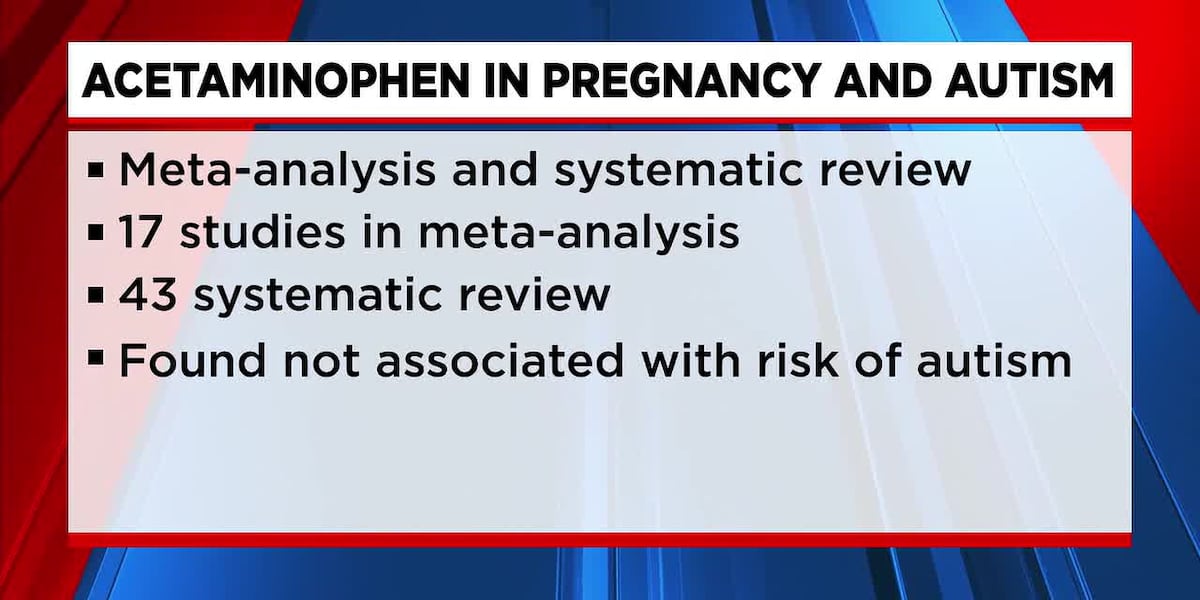
Researchers at the University of Pennsylvania and Erasmus University in the Netherlands conducted a systematic review of available evidence and found no causal link between prenatal acetaminophen exposure and neurodevelopmental conditions in children. The findings, published last week in JAMA Pediatrics, challenge previous studies that suggested a connection.
“Our analysis revealed that earlier research failed to adequately account for critical confounding factors,” said Dr. Sarah Reynolds, lead author of the study. “When we controlled for maternal health conditions, genetic predispositions, and other environmental exposures, the alleged association largely disappeared.”
Acetaminophen, sold under brand names like Tylenol in the United States, is one of the few pain medications generally considered acceptable for pregnant women. Approximately 65% of expectant mothers in the U.S. use acetaminophen during pregnancy, primarily to manage fever, headaches, and other common ailments.
The controversy began in 2018 when several observational studies reported modest associations between prenatal acetaminophen exposure and increased risks of autism spectrum disorder (ASD) and attention-deficit/hyperactivity disorder (ADHD). These findings received widespread media attention, causing concern among healthcare providers and expectant parents.
However, the new meta-analysis examined 25 studies involving over 150,000 mother-child pairs across three continents. Using advanced statistical methods and controlling for previously overlooked variables, researchers determined that the risks had been significantly overstated.
“The earlier studies relied heavily on parental recall of medication use, which is notoriously unreliable,” explained Dr. Michael Chen, a pediatric neurologist at Boston Children’s Hospital who was not involved in the research. “They also failed to adequately account for the reasons why women took acetaminophen in the first place, which could independently influence neurodevelopmental outcomes.”
The research team noted that fever and infection during pregnancy—conditions often treated with acetaminophen—are themselves associated with developmental concerns. When these maternal health factors were properly controlled for, the statistical significance of acetaminophen’s alleged effects diminished substantially.
“We found that mothers who took acetaminophen for fever or infection had similar outcomes to those who experienced these conditions but used alternative treatments,” said Dr. Reynolds. “This strongly suggests the underlying medical conditions, not the medication, may be responsible for any observed associations.”
The American College of Obstetricians and Gynecologists (ACOG) welcomed the findings but continued to advocate for judicious use of medications during pregnancy.
“While this research provides reassurance, we still recommend that pregnant women use acetaminophen at the lowest effective dose for the shortest duration necessary,” said Dr. Emily Wright, ACOG spokesperson. “This applies to all medications during pregnancy, not because of specific concerns about acetaminophen, but as a general principle of prenatal care.”
Pharmaceutical manufacturer Johnson & Johnson, which produces Tylenol, issued a statement emphasizing the medication’s long history of safety when used as directed, but declined to comment specifically on the study results.
The findings come as a relief to many healthcare providers who had faced difficult conversations with concerned patients in recent years.
“This has been a challenging topic to navigate with expectant mothers,” said Dr. Lisa Thompson, an obstetrician in Atlanta. “Many women were caught between managing painful conditions and worrying about potential risks to their babies. This research gives us more confidence in our recommendation that acetaminophen remains a reasonable option when medically indicated during pregnancy.”
Researchers emphasized that their findings don’t give carte blanche for medication use during pregnancy. They noted that any medication should be used thoughtfully, with consultation from healthcare providers about individual risk-benefit considerations.
The study authors called for future research using more rigorous methods, including better documentation of dosage, frequency, and timing of exposure, as well as more comprehensive control for genetic and environmental factors that might influence neurodevelopmental outcomes.
Fact Checker
Verify the accuracy of this article using The Disinformation Commission analysis and real-time sources.

11 Comments
This is an important finding, as acetaminophen is one of the few pain medications considered safe for pregnant women. Glad to see the alleged link to autism and ADHD has been debunked through this comprehensive analysis.
Exactly. With such a large percentage of expectant mothers using acetaminophen, it’s vital that we have clear scientific consensus on its safety profile during pregnancy. This study provides much-needed reassurance.
This is an important issue for public health, so I’m glad to see robust scientific research being done to clarify the facts. Glad the researchers were able to effectively refute the earlier claims of a link to neurodevelopmental conditions.
Absolutely. With so many pregnant women relying on acetaminophen, it’s critical that we have strong evidence-based guidance on its safety. This study should help put those concerns to rest.
Interesting findings from this comprehensive study. Glad to see the alleged link between acetaminophen and autism/ADHD has been debunked after accounting for other key factors. Reassuring for expectant mothers who rely on this common pain reliever.
Agreed, the researchers make a compelling case that previous studies failed to properly control for important confounding variables. This meta-analysis provides much-needed clarity on the safety of acetaminophen during pregnancy.
It’s good to see the scientific community proactively addressing this concern. Acetaminophen is a widely used medication, so having definitive evidence on its safety during pregnancy is important. Kudos to the researchers for their diligent work.
Agreed. This study provides much-needed reassurance for expectant mothers who rely on acetaminophen. Rigorous, evidence-based research like this is invaluable for informing public health guidance.
Good to see the scientific process at work here, with later research able to correct for limitations in earlier studies. Rigorous meta-analyses like this are vital for public health, cutting through the noise and delivering reliable conclusions.
Appreciate the researchers taking the time to thoroughly re-examine this issue and provide clarity. Fact-checking and debunking unfounded claims is crucial, especially when it involves public health recommendations for pregnant women.
Glad to see this issue getting the attention it deserves. Comprehensive meta-analyses that can effectively refute earlier claims are vital for public health. This should help put to rest any lingering concerns about the safety of acetaminophen during pregnancy.