


Listen to the article
In a bizarre case of misinformation, social media users have been circulating a completely fabricated story claiming Philadelphia Eagles quarterback Jalen Hurts established a scholarship fund for the child of a woman allegedly killed by an Immigration and Customs Enforcement agent.
The false narrative claimed Hurts created the “Renee Good Hope Scholarship Fund” with a personal contribution of $300,000 to honor Renee Good, described as a 37-year-old Minneapolis resident supposedly shot and killed on January 7, 2026, by ICE officer Jonathan Ross.
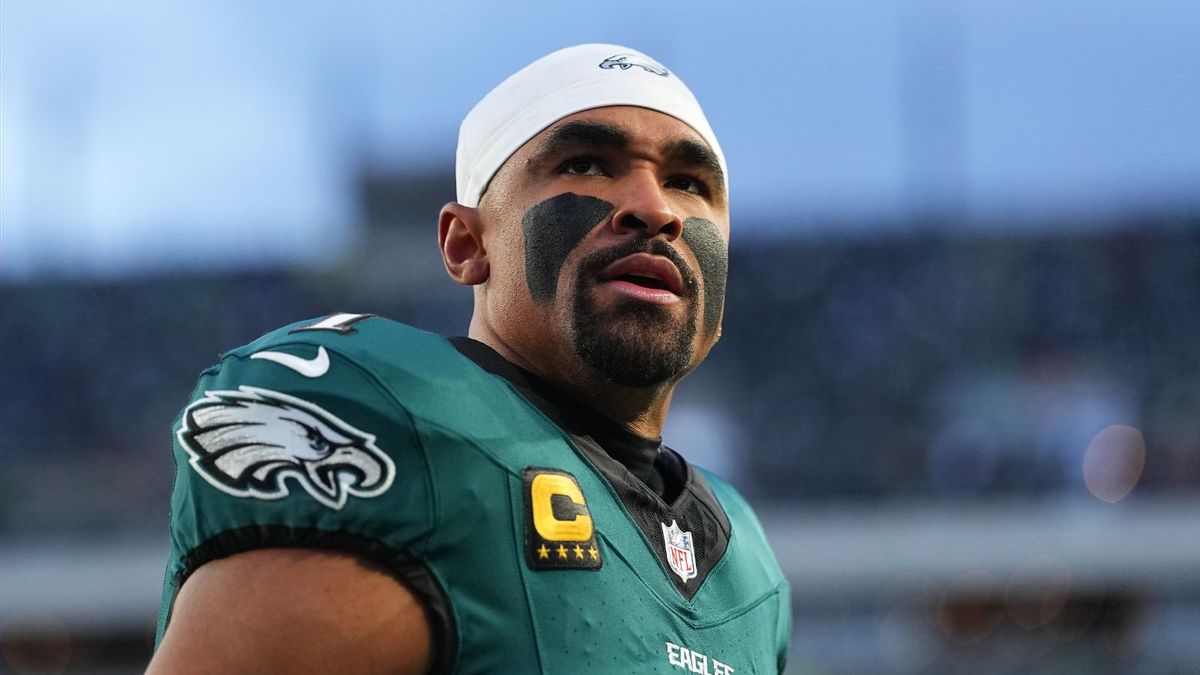
This claim, which began spreading in January 2026, featured AI-generated images purporting to show Hurts embracing Good’s 6-year-old son on a football field. One popular post from the “NFL Pulse” Facebook page included a collage of three images: the fabricated image of Hurts with the child, a picture allegedly showing Good with her son, and another of Hurts walking inside a stadium.
Fact-checkers have confirmed the entire story is fictional. No legitimate news outlets have reported on such a scholarship fund, which would have generated significant media attention had it existed. The supposed incident involving ICE agent Jonathan Ross shooting Renee Good also appears to be entirely fabricated.
The false story displays several hallmarks of AI-generated content designed to drive traffic to advertisement-heavy websites. The NFL Pulse Facebook post linked to a WordPress blog filled with ads, suggesting a profit motive behind the fabricated story. The text itself contained overly dramatic phrasing typical of AI writing, with flowery language about “deep human empathy” and how “compassion can speak louder than silence.”
Most tellingly, the AI-generated image contained a misspelling of “Eagles” as “Eaglees” – an error unlikely to appear in authentic content. When major search engines were queried about the story, no credible news sources appeared, though at least one AI search tool erroneously confirmed the false narrative.
This fabrication represents a growing trend of creating emotionally manipulative content – sometimes called “glurge” – featuring celebrities supposedly performing inspiring acts of kindness. These stories are designed to generate emotional responses that drive social media engagement and redirect users to advertisement-laden websites.
The NFL Pulse Facebook page is among numerous social accounts that regularly share such fabricated stories. The account’s post claimed Hurts’ fictional scholarship would provide “full educational support from elementary school through college” for Good’s son, including “tuition, books, tutoring, and opportunities for personal development.”
Sports celebrities like Hurts are frequent targets for these fabrications because their public profiles generate significant interest. When contacted for comment, neither representatives for the Philadelphia Eagles nor managers of the NFL Pulse Facebook page had responded at press time.
This incident highlights the growing sophistication of misinformation campaigns that combine AI-generated images, fabricated emotional narratives, and social media distribution to generate advertising revenue. Such content can spread rapidly through social networks before fact-checkers have an opportunity to debunk false claims.
Digital literacy experts recommend verifying emotional stories about celebrities through mainstream news sources before sharing them on social media, particularly when they contain links to unfamiliar websites filled with advertisements.
Fact Checker
Verify the accuracy of this article using The Disinformation Commission analysis and real-time sources.

12 Comments
This is a clear example of the dangers of unchecked misinformation. I’m glad the facts have been established, but it’s worrying how convincing these false narratives can be. We need to do more to combat the spread of disinformation.
I agree. It’s crucial that we rely on reputable, fact-based sources and remain vigilant against the proliferation of fake news, which can have serious consequences.
Wow, this is a crazy case of misinformation. It’s concerning how easily false narratives can spread on social media these days. Good on the fact-checkers for confirming this story is completely fabricated.
Agreed, it’s important to be vigilant and verify information, especially when it involves high-profile public figures like Jalen Hurts. Misinformation can be very damaging.
This is a concerning example of how misinformation can spread rapidly on social media. I’m glad the facts have been established – it’s important to maintain trust in public figures and institutions.
Yes, the proliferation of fake news is a real problem. We need to be vigilant and rely on authoritative, fact-based sources to get accurate information.
It’s disheartening to see how easily fabricated stories can gain traction online. I’m glad the truth has come to light in this case, but it highlights the need for better media literacy and fact-checking efforts.
Definitely. As consumers of information, we all have a responsibility to be critical and verify claims, especially when they involve sensitive topics or high-profile individuals.
I’m glad the truth has come out about this supposed Renee Good Hope Scholarship Fund. It’s worrying how realistic these AI-generated images can look, making it harder to spot fakes. We all need to be more critical consumers of online content.
Absolutely. Fact-checking is crucial in this age of misinformation. It’s good that reputable sources were able to debunk this false story quickly.
While it’s disappointing to see this kind of misinformation circulating, I’m glad the truth has been brought to light. It’s a sobering reminder of the need for rigorous fact-checking and media literacy education.
Absolutely. In the digital age, we all have a role to play in combating the spread of false information and maintaining trust in our institutions and public figures.