


Listen to the article
WASHINGTON — Popular GLP-1 weight-loss medications have helped millions of people shed pounds, but new research from Australia suggests doctors and patients may need to pay closer attention to what users are actually eating while taking them.
A systematic review from the Hunter Medical Research Institute (HMRI) has identified a significant gap in how these medications are being studied: while clinical trials have established their effectiveness for weight loss, few have tracked changes in patients’ diets or whether they’re receiving adequate nutrition—potentially increasing the risk of malnutrition over time.
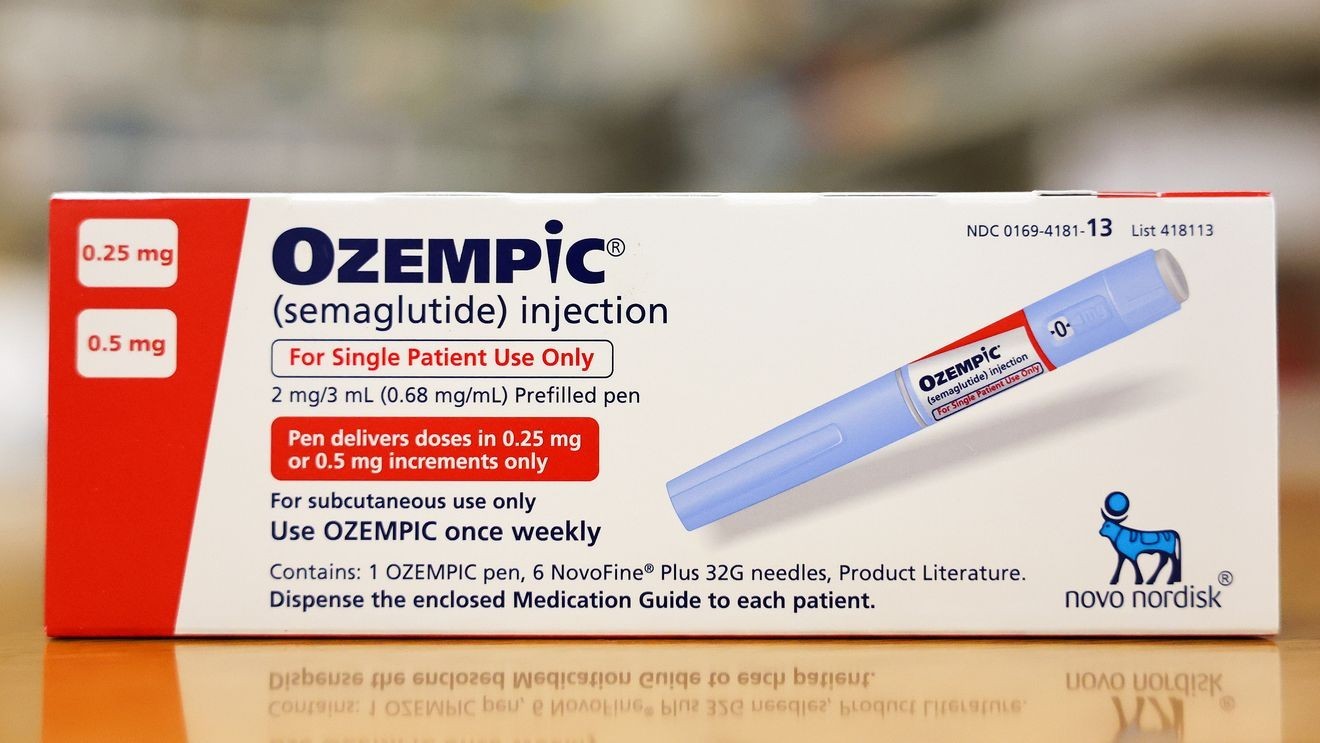
The research is particularly relevant as medications like Wegovy, Ozempic, and Mounjaro have exploded in popularity across the global pharmaceutical market. These GLP-1 agonists work by mimicking hormones that regulate hunger, helping patients feel fuller longer and consume fewer calories.
“Very little is known about the exact changes these medications have on what people actually eat, whether vitamin and mineral intakes are adequate, and whether weight-loss achieved through medication also supports optimal nutrition-related health and wellbeing in the long-term,” the HMRI researchers noted in their findings.
One concerning discovery was the potential for vitamin deficiencies among patients taking these medications. Researchers identified rare but documented cases of scurvy—a disease caused by vitamin C deficiency that was once common among sailors and pirates who lacked access to fresh fruits and vegetables during long voyages.
Scurvy can lead to serious health complications including anemia, loose teeth, easy bruising, bleeding under the skin, swollen or bleeding gums, and wounds that don’t heal properly. The condition, which was largely eradicated in modern society, emerges when the body doesn’t receive sufficient vitamin C to maintain healthy tissue repair and immune function.
Health experts emphasize that these cases appear uncommon and should not trigger patients to discontinue their medication. Instead, the findings highlight a critical blind spot in current clinical research protocols that needs addressing.
Dr. Clare Collins, a nutrition professor at the University of Newcastle who contributed to the research, explained that the appetite-suppressing effects of GLP-1 medications can inadvertently lead to reduced intake of nutrient-rich foods if patients aren’t carefully monitoring their diet quality.
“When you’re eating substantially less food overall, the nutritional quality of what you do consume becomes even more important,” Collins said in a statement accompanying the research. “Every bite needs to count nutritionally.”
Beyond vitamin C, researchers expressed concern about other potential deficiencies that could emerge from dramatically reduced food intake. Iron deficiency might lead to anemia, while inadequate levels of B vitamins could potentially contribute to serious neurological conditions such as Wernicke’s encephalopathy in extreme cases.
The situation is further complicated by symptom overlap. Fatigue, nausea, and irritability—common signs of nutrient deficiency—can mirror typical side effects of GLP-1 medications, potentially masking emerging nutritional problems until they become more severe.
In response to these findings, medical organizations are beginning to develop updated guidelines for practitioners. The American Society for Metabolic and Bariatric Surgery recently released recommendations encouraging healthcare providers to monitor patients’ nutritional status more closely and consider vitamin supplementation when appropriate.
For the millions currently taking these medications, experts recommend working with healthcare providers to develop nutritionally balanced meal plans, even when consuming smaller portions. Patients may benefit from consulting registered dietitians and considering screening for potential deficiencies before and during treatment.
The pharmaceutical companies behind leading GLP-1 medications, including Novo Nordisk (Wegovy, Ozempic) and Eli Lilly (Mounjaro), have acknowledged the importance of nutritional counseling alongside their products but have yet to formally address the findings of the Australian review.
As these medications continue transforming obesity treatment worldwide, the research serves as an important reminder that effective weight management extends beyond simply eating less—maintaining proper nutrition remains essential for long-term health outcomes.
Fact Checker
Verify the accuracy of this article using The Disinformation Commission analysis and real-time sources.

22 Comments
Interesting to learn more about potential nutrition issues with GLP-1 medications. Careful monitoring of diet and vitamin/mineral intake seems crucial to ensure patients don’t develop deficiencies like scurvy during long-term use.
Absolutely. Focusing just on weight loss without considering overall nutritional status could have unintended consequences. More research is needed in this area.
The potential for scurvy and other deficiencies with GLP-1 meds is a sobering reminder that weight loss is not the only factor to consider. Holistic care is key.
Well said. Maintaining proper nutrition should be just as much of a priority as achieving weight loss targets.
Fascinating to see research uncovering potential nutrition gaps in how GLP-1 medications are being studied and prescribed. A more holistic approach seems prudent.
Definitely. Ensuring optimal long-term health, not just short-term weight loss, should be the priority with these types of treatments.
The possibility of scurvy and other deficiencies arising from GLP-1 meds is a real concern that deserves further investigation. Careful monitoring of patient diets is essential.
Agreed. Evaluating the full nutritional impact, not just the weight loss, is critical for the safe and effective use of these medications.
This underscores the importance of not just looking at top-line weight loss metrics, but digging deeper into the actual dietary changes and nutritional impacts of these medications. Holistic patient care is key.
Well said. Treating the whole person, not just the weight, should be the priority with any weight loss intervention.
This highlights the complex interplay between weight loss, diet, and overall health. Simply focusing on the number on the scale isn’t enough – maintaining proper nutrition is crucial.
Agreed. Comprehensive patient care must consider the full range of dietary and nutritional factors, not just the weight loss itself.
This research highlights an important gap in our understanding of how GLP-1 medications impact overall health and nutrition, not just weight. Careful monitoring is crucial.
Well said. Maintaining proper nutrition should be a key consideration, not an afterthought, when prescribing these types of weight loss treatments.
The possibility of scurvy and other deficiencies linked to GLP-1 meds is concerning. Doctors must closely monitor patient nutrition, not just weight, to ensure safe and effective treatment.
Absolutely. A more holistic, patient-centric approach is needed to truly optimize outcomes with these types of weight loss medications.
This research underscores the need for a more nuanced approach to evaluating GLP-1 medications. Focusing solely on weight loss ignores important nutritional considerations.
Agreed. A comprehensive assessment of dietary changes and micronutrient status is essential for ensuring the long-term health and wellbeing of patients.
This research highlights an important gap in our understanding of how GLP-1 medications impact overall nutrition and health, not just weight. More comprehensive studies are needed.
Absolutely. The focus should be on optimizing patient outcomes, not just hitting a certain number on the scale.
Rare cases of scurvy associated with GLP-1 meds are concerning. Doctors need to closely monitor patients’ micronutrient status, not just macros, to avoid such deficiencies.
Good point. Even if these cases are rare, the potential implications are serious enough that more vigilance is warranted.