


Listen to the article
Texas Officials Confirm No Respiratory Virus Outbreak Among El Paso Horses
Health officials from the Texas Animal Health Commission (TAHC) have clarified that there is currently no respiratory virus outbreak affecting horses in El Paso County, despite concerns that have circulated within the community.
The commission confirmed that El Paso County recorded a single case of equine infectious anemia (EIA) last fall. EIA is a blood-borne disease transmitted through biting flies or contaminated needles, rather than through respiratory pathways. According to TAHC records, this isolated case was reported to the Equine Disease Communication Center on November 5, and the affected facility was placed under quarantine on October 30.
Meanwhile, the commission has issued a separate statewide advisory regarding equine herpesvirus-1 (EHV-1), which was linked to a neurological case confirmed during a racing event in Waco, Texas. The advisory recommended that equine events across Texas be canceled or postponed as a precautionary measure to minimize potential exposure and protect the health of horses throughout the state.
Regional concerns have been heightened by reports from neighboring Doña Ana County in New Mexico, which has confirmed cases of both EIA and EHV-1. However, TAHC officials emphasized that no EHV-1 cases have been detected in El Paso County.
“We monitor these situations closely to protect the equine population and provide accurate information to horse owners,” said a TAHC representative. “While we remain vigilant, it’s important to distinguish between isolated cases and widespread outbreaks.”
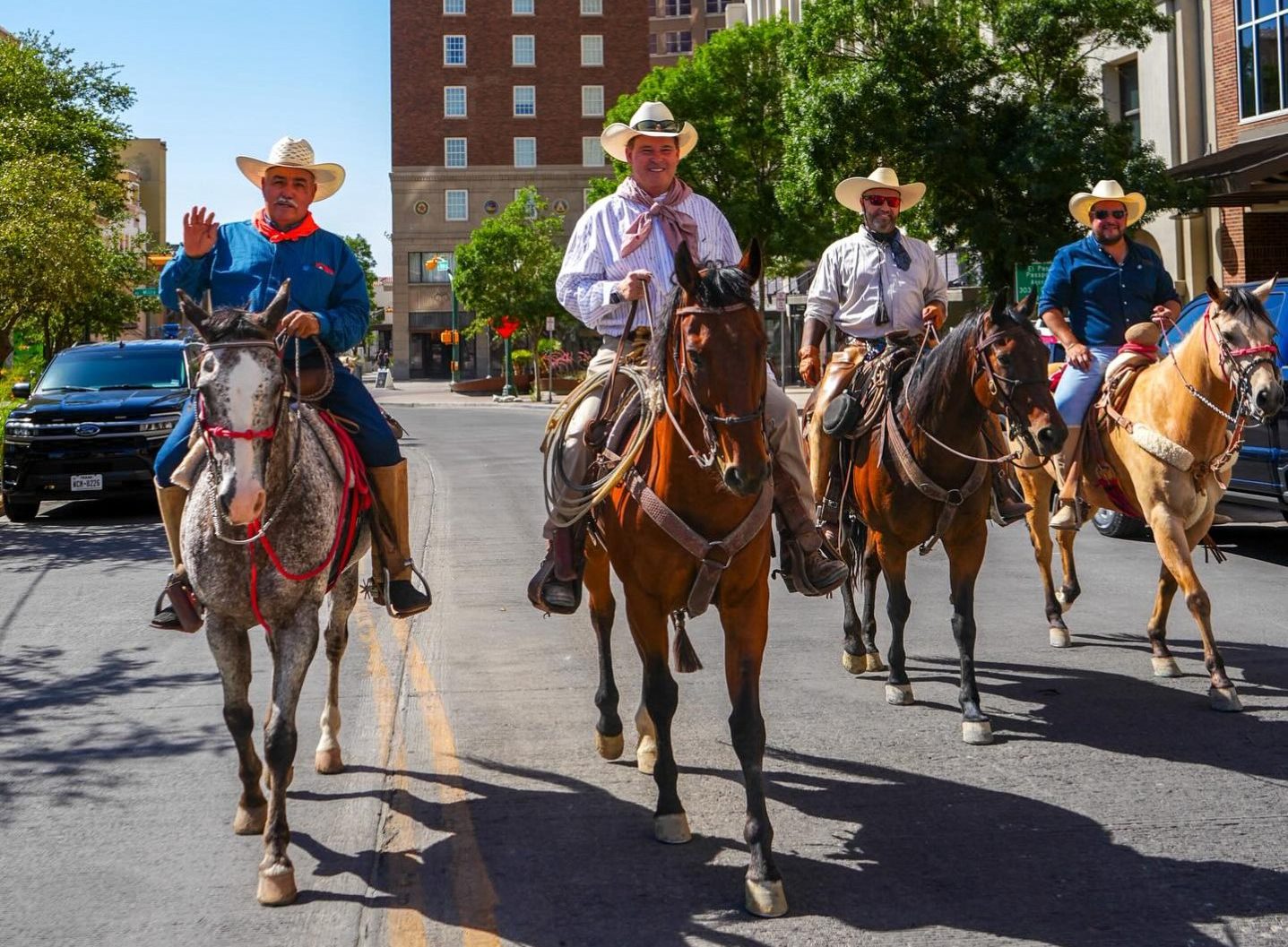
The situation has prompted some local organizations to take preventive measures. The El Paso County Sheriff’s Posse (EPCSP) withdrew its horses from a Thanksgiving Day parade as a precautionary step, though Lieutenant Vernon Burke of the EPCSP confirmed none of their horses had tested positive for either EIA or EHV-1.
For horse owners in the region, these distinctions are crucial. EIA, sometimes called “swamp fever,” is a viral disease that can cause acute or chronic infections. Unlike respiratory conditions, it spreads through blood transmission, primarily via large biting flies or through contaminated medical equipment.
EHV-1, on the other hand, is a respiratory disease that can cause more serious neurological symptoms and can spread through direct horse-to-horse contact or through contaminated equipment, feed, and water. The virus can cause respiratory disease, abortion in pregnant mares, and in some cases, neurological disease.
The horse industry represents a significant economic and cultural component of Texas agriculture, with the state home to more horses than any other in the nation. Events like rodeos, races, and exhibitions contribute millions to the state’s economy, making disease management a critical concern for owners, breeders, and event organizers.
Veterinary experts recommend that horse owners maintain regular vaccination schedules, implement insect control measures, practice good biosecurity, and avoid sharing equipment between horses to prevent the spread of diseases like EHV-1 and EIA.
Horse owners in El Paso County are advised to remain vigilant and consult with veterinarians about any health concerns, despite the confirmation that no widespread respiratory outbreak exists in the area. The TAHC continues to monitor the situation across the state and will provide updates as conditions warrant.
Fact Checker
Verify the accuracy of this article using The Disinformation Commission analysis and real-time sources.

13 Comments
I’m curious to learn more about the isolated case of equine infectious anemia (EIA) reported in El Paso last fall. What measures were taken to contain the outbreak and prevent further transmission?
That’s a good question. The article mentions the affected facility was placed under quarantine, but more details on the containment efforts would be helpful to understand the full scope of the response.
It’s good that the Texas Animal Health Commission is closely monitoring the situation and providing updates. Transparency from officials helps build public trust during these types of health concerns.
It’s good to see the Texas Animal Health Commission providing transparent and factual updates on the animal health situations in the state. Relying on official sources is crucial to prevent the spread of misinformation.
Good to hear the Texas authorities have clarified the situation regarding horses in El Paso. It’s important to rely on official sources and avoid spreading unverified claims, especially about animal health issues.
Agreed. Fact-checking is crucial to prevent the spread of misinformation, which can cause unnecessary panic.
The distinction between the respiratory virus concerns and the confirmed case of EIA is an important clarification. It’s crucial that the public has accurate information to avoid unnecessary panic.
The news about the equine herpesvirus-1 (EHV-1) case in Waco and the precautionary measures taken across Texas is concerning. I hope the authorities can contain the outbreak and protect the health of horses in the state.
Me too. Proactive steps like canceling or postponing equine events are prudent to minimize potential exposure and spread.
The article highlights the importance of distinguishing between different animal health issues and not jumping to conclusions. I’m glad the authorities were able to clarify the situation regarding the horses in El Paso.
Absolutely. Fact-checking and clear communication from officials are vital to maintain public trust and prevent unnecessary panic.
While the news about the EHV-1 case in Waco is worrying, I appreciate the proactive approach taken by the Texas authorities to protect horse health across the state. Precautionary measures like event cancellations are prudent.
Agreed. Taking swift action to limit potential exposure and spread is the responsible course of action in these situations.