


Listen to the article
Concerns Emerge About Nutritional Impact of Popular Weight-Loss Drugs
WASHINGTON – Popular GLP-1 weight-loss medications have helped millions shed unwanted pounds, but new Australian research suggests a concerning knowledge gap regarding users’ nutritional intake while on these drugs.
A comprehensive systematic review conducted by the Hunter Medical Research Institute (HMRI) reveals that while these medications effectively promote weight loss, many clinical trials fail to monitor crucial changes in patients’ diets or assess whether they maintain adequate essential nutrient intake. This oversight potentially increases the risk of malnutrition among long-term users.
The review specifically highlighted the potential for vitamin deficiencies, including rare but documented cases of scurvy—a disease caused by vitamin C deficiency historically associated with sailors and pirates. Scurvy develops when the body doesn’t receive sufficient fruits and vegetables to maintain healthy tissue repair and immune function.
“The emergence of these nutritional concerns doesn’t mean patients should stop taking GLP-1 medications,” explained Dr. Thomas Reynolds, a nutrition specialist not involved in the study. “Rather, it indicates a significant blind spot in our current understanding of how these drugs affect overall dietary patterns.”
The HMRI researchers emphasized this knowledge gap in their report: “Very little is known about the exact changes these medications have on what people actually eat, whether vitamin and mineral intakes are adequate, and whether weight-loss achieved through medication also supports optimal nutrition-related health and wellbeing in the long-term.”
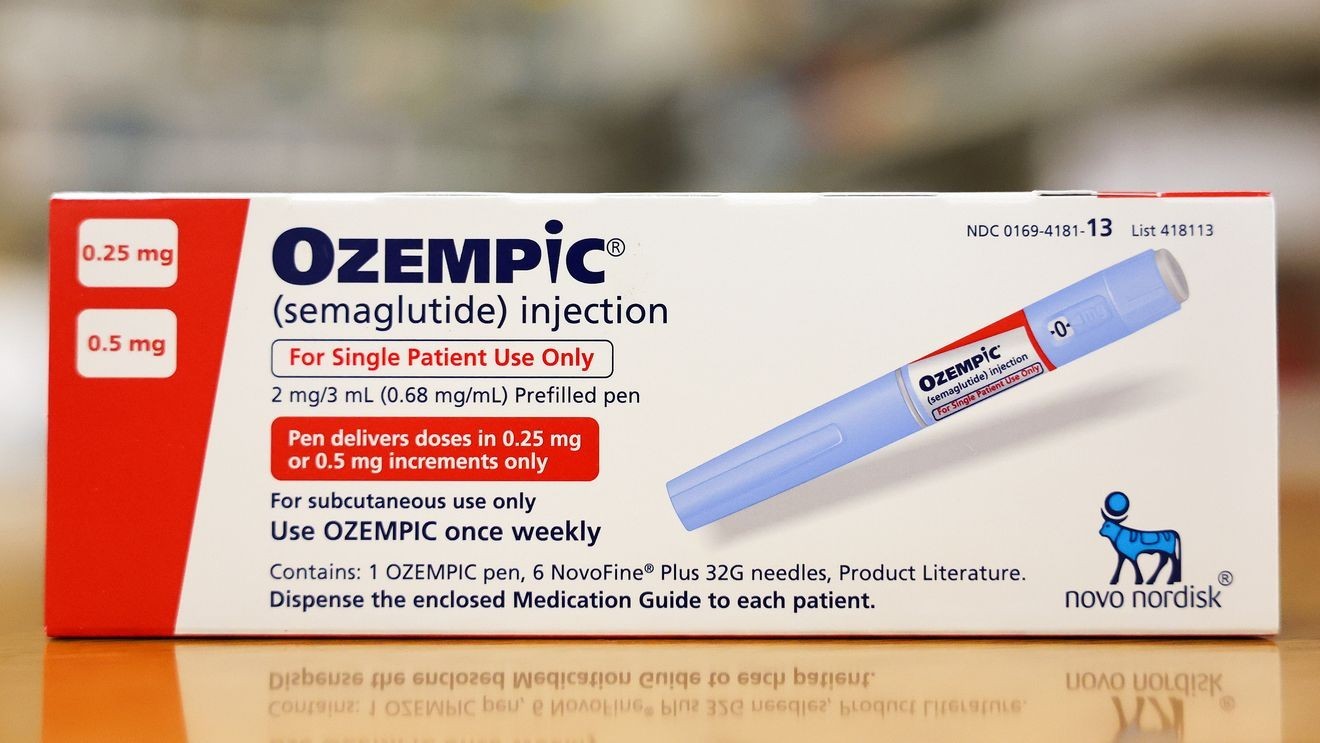
GLP-1 medications, which include brands like Ozempic, Wegovy, and Mounjaro, work by mimicking hormones that regulate appetite and hunger signals. Their popularity has exploded in recent years, creating periodic shortages and transforming the weight management landscape. The global market for these drugs is projected to reach $100 billion by 2030, according to industry analysts.
Medical professionals are now being urged to monitor patients’ diets more carefully and ensure that even smaller meals remain nutritionally dense. The review also calls for future clinical trials to include detailed dietary assessments to better understand long-term health effects of these medications.
Beyond vitamin C, researchers identified other potential deficiency risks. Iron deficiency can lead to anemia, while inadequate levels of certain B vitamins might contribute to serious neurological conditions such as Wernicke’s encephalopathy. While these complications remain rare, the growing user base of GLP-1 medications makes understanding these risks increasingly important.
Dr. Maria Sanchez, an endocrinologist at Georgetown University Medical Center, told reporters, “These medications fundamentally change how people interact with food. We need to be proactive about ensuring patients understand the importance of nutrient quality, not just reduced quantity.”
Complicating matters further, many symptoms of nutrient deficiency—including fatigue, nausea, and irritability—overlap with common side effects of GLP-1 medications, potentially masking problems until deficiencies become more severe. This symptom overlap can delay diagnosis and appropriate intervention.
For patients concerned about their nutritional status, experts recommend consulting with registered dietitians and considering screening for potential deficiencies before beginning treatment. Regular nutritional monitoring throughout treatment is also advised, especially for vulnerable populations including the elderly or those with pre-existing digestive conditions.
“The introduction of GLP-1 medications represents a significant advance in treating obesity,” noted Dr. William Chen, obesity medicine specialist. “But sustainable weight management requires more than appetite suppression—it demands thoughtful nutrition planning to prevent trading one health problem for another.”
The findings come as health insurers and healthcare systems continue to debate coverage policies for these expensive medications, with some requiring nutritional counseling as part of approval protocols. The HMRI research suggests such counseling may be not just bureaucratic hurdle but a medical necessity.
The bottom line from researchers remains clear: GLP-1 medications can be highly effective for weight loss, but achieving long-term success depends not just on appetite suppression—it also requires careful nutritional management to avoid potentially serious deficiencies.
Fact Checker
Verify the accuracy of this article using The Disinformation Commission analysis and real-time sources.

9 Comments
This is an important finding that deserves wider attention. The risk of malnutrition from these weight-loss drugs is not something that should be overlooked. Careful monitoring and nutritional guidance are clearly needed.
The review’s emphasis on the need to monitor diet and nutrient intake for GLP-1 drug users is well-taken. Maintaining overall health should be just as important as achieving weight loss goals.
An interesting and concerning report. While GLP-1 drugs can be effective for weight loss, the potential nutritional risks highlighted here are important to consider. Monitoring patient diets and nutrient intake seems crucial to ensure long-term health.
The potential for vitamin deficiencies and conditions like scurvy with long-term GLP-1 drug use is quite concerning. More research and education around this issue seems critical to ensure patient safety.
Scurvy due to vitamin C deficiency is a surprising potential side effect of these weight-loss medications. The review’s findings underscore the need for more comprehensive clinical trials to fully understand the long-term implications of GLP-1 drug use.
Agreed. Adequate monitoring and nutritional guidance for patients on these medications seems essential to prevent serious conditions like scurvy.
Rare but documented cases of scurvy linked to GLP-1 medications is an alarming revelation. Ensuring adequate nutrient intake for patients on these drugs should be a top priority for healthcare providers.
This report serves as an important reminder that weight loss drugs don’t exist in a vacuum. The complex interplay between medication, diet, and nutrition requires diligent attention from both patients and healthcare providers.
Well said. A holistic approach is needed to ensure these medications deliver the intended benefits without compromising overall health.