


Listen to the article
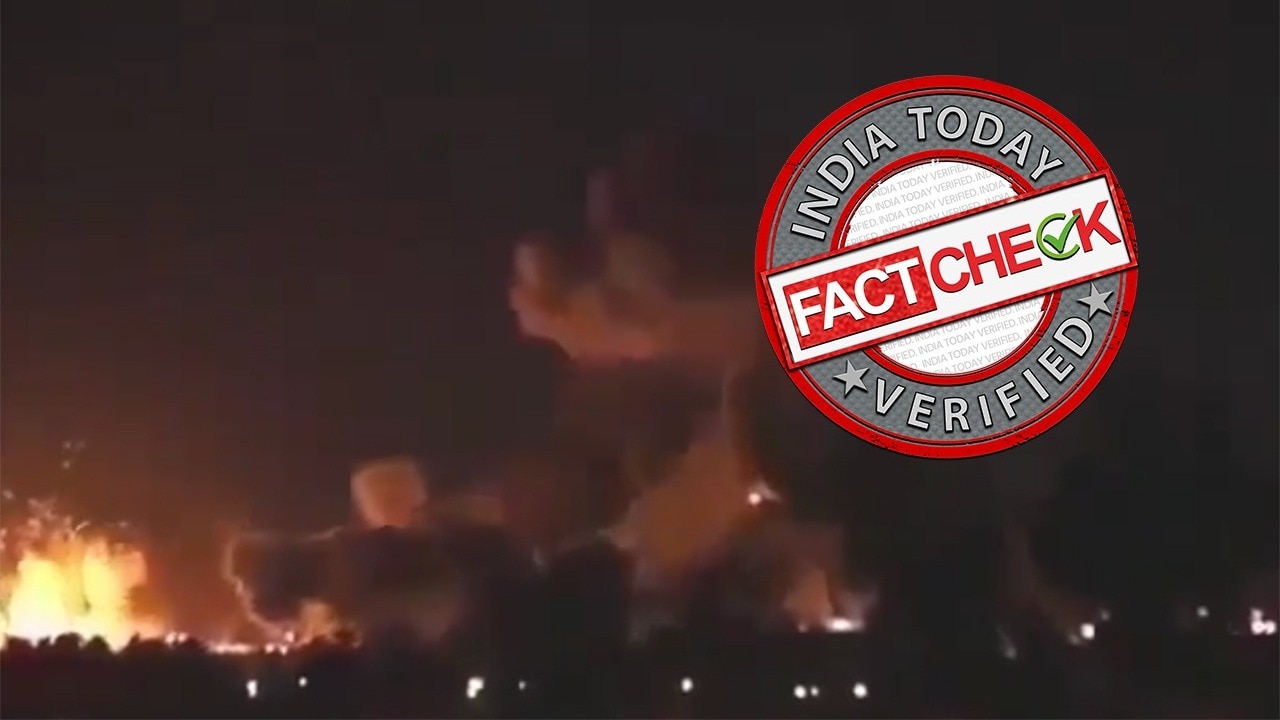
Pakistan-Afghanistan tensions have sparked a wave of misinformation on social media, with users sharing outdated footage claiming to show recent military actions between the two nations. A video circulating widely across platforms purportedly showing Pakistani airstrikes on Afghan cities, including Kabul, has been debunked as footage from nearly two decades ago.
The viral video, which depicts massive fireballs illuminating the night sky amid sounds of heavy bombardment, gained traction after Pakistan’s Defence Minister Khawaja Asif characterized recent cross-border hostilities as “open war.” Social media users sharing the footage included captions such as “Pakistani bombing of Afghanistan in response to a previous Afghan bombing,” while others used it to express solidarity, writing messages like “Afghan brothers, Indians are with you, we stand with you in this difficult time.”
Several news outlets republished the video without proper verification, further amplifying the false association with current events. However, fact-checking efforts by India Today revealed the footage has no connection to the ongoing conflict between Pakistan and Afghanistan.
A reverse image search of key frames from the video traced the footage to much earlier events. The video appears to show U.S. airstrikes on Baghdad during the 2003 invasion of Iraq, commonly known as the “Shock and Awe” campaign that marked the beginning of the Iraq War. This conclusion is supported by multiple historical archives that contain the same footage.
The investigation uncovered the video in a March 2023 post featuring a compilation of explosion footage, definitively proving it predates the current Pakistan-Afghanistan tensions. Further confirmation came from a YouTube channel named The Phoenix ReNasCor, which posted the identical footage on February 9, 2021, as part of a historical compilation documenting the U.S. bombardment of Baghdad.
Another channel, Journeyman Pictures, featured the same clip in 2018, also identifying it as footage from the 2003 Baghdad airstrikes. The visual elements, lighting conditions, and explosion patterns in the viral clip match perfectly with documented footage from the Iraq War’s opening salvos.
This incident represents a growing trend of misinformation surrounding the deteriorating relations between Pakistan and Afghanistan. The tensions escalated on February 27 when Pakistan reportedly conducted military operations targeting what it described as terrorist hideouts across the border. The operations came in response to attacks on Pakistani soil that Islamabad attributes to militants operating from Afghan territory.
This isn’t the first instance of misinformation regarding the conflict. Earlier, another video claimed to show Pakistani strikes in Afghanistan’s Nangarhar and Khost provinces, but fact-checkers determined it actually depicted Israeli airstrikes on Lebanon from October 2025.
The circulation of such misleading content highlights the challenges of information verification during international conflicts. Social media platforms have become battlegrounds not only for shaping public opinion but also for spreading unverified claims that can inflame tensions and complicate diplomatic efforts.
The Pakistan-Afghanistan border region has long been a flashpoint, with both countries accusing each other of harboring militant groups. Recent escalations follow the Taliban’s return to power in Afghanistan in 2021, which has altered the security dynamics in the region significantly.
Media consumers are advised to verify information through multiple credible sources before sharing content related to ongoing conflicts, as misinformation can contribute to heightened tensions and hamper peaceful resolution efforts in an already volatile region.
Fact Checker
Verify the accuracy of this article using The Disinformation Commission analysis and real-time sources.

16 Comments
It’s frustrating to see how quickly old, unrelated footage can get passed around as current events. Diligent fact-checking is the only way to ensure we’re not contributing to the spread of misinformation, even if the content seems plausible.
Agreed. In today’s fast-paced media environment, it’s more important than ever to be cautious about the information we consume and share. Verifying sources and context should be a priority before engaging with any viral content.
This highlights the importance of critical thinking and media literacy. It’s easy for old, unrelated footage to get caught up in the news cycle and create a false impression. We should all be more careful about verifying claims before sharing them.
Absolutely. Misinformation can have real-world consequences, so it’s important to take the time to ensure the information we’re consuming and sharing is accurate and up-to-date.
It’s disappointing to see how quickly misinformation can spread, even when it’s been debunked. This serves as a reminder that we need to be vigilant about checking the facts, especially when it comes to issues with high stakes like geopolitical conflicts.
Agreed. Fact-checking and media literacy are essential skills in today’s information landscape. By taking the time to verify claims and sources, we can help limit the spread of false narratives and ensure we’re not contributing to the problem.
It’s concerning to see how quickly outdated footage can gain traction as current events. This underscores the need for all of us to be more vigilant about fact-checking and verifying the accuracy of information before engaging with or sharing it online. Misinformation has real consequences.
Agreed. In today’s digital age, we have a responsibility to be critical consumers of information and to help combat the spread of misinformation. Taking the time to verify sources and context is crucial to ensuring we’re not contributing to the problem.
Interesting to see how misinformation spreads so quickly these days, especially around geopolitical tensions. It’s important to verify the source and context of videos before sharing them, to avoid adding to the confusion.
Agreed. Fact-checking is crucial to avoid amplifying false narratives, even if the content seems to align with current events. Responsible reporting and social media use can help limit the spread of misinformation.
Sad to see how quickly misinformation can spread, especially around sensitive geopolitical issues. This is a good reminder to always check the source and context of videos and news reports before engaging with or sharing them.
Yes, it’s crucial that we all do our part to combat the spread of misinformation. Fact-checking and responsible sharing of content can go a long way in preventing the amplification of false narratives.
This is a prime example of why it’s so important to be cautious about sharing content on social media, especially when it comes to sensitive topics like military actions. Fact-checking is crucial to avoid inadvertently spreading misinformation, even if the video seems plausible.
Absolutely. Verifying the source and context of any viral video or news report should be standard practice, especially when it involves geopolitical issues. Responsible sharing of information is key to preventing the amplification of false narratives.
This is a good example of why we should always be skeptical of viral videos and social media posts, especially when they involve sensitive geopolitical issues. It’s crucial to fact-check and ensure the information is accurate before spreading it further.
Absolutely. Misinformation can have real consequences, so it’s important that we all take the time to verify claims and sources before engaging with or sharing content online. Responsible digital citizenship is key.