


Listen to the article
Reports of Drone Attacks on Citibank Branches in Dubai and Bahrain Amid US-Iran Tensions
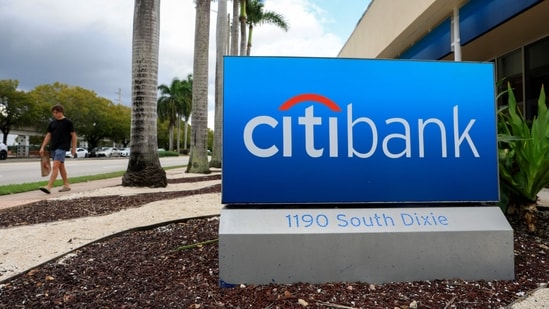
Unverified reports circulated Friday about potential drone strikes targeting Citibank branches in Dubai and Manama, heightening concerns about the widening impact of US-Iran hostilities in the Middle East.
Iran’s Tasnim News Agency claimed that offices affiliated with American banking giant Citigroup were hit by “unidentified drone attacks” in both cities. The report described the targeted area in Dubai as “one of the most important financial hubs in the Middle East,” hosting numerous international banks and investment institutions.
Simultaneously, Iranian state-owned Press TV shared video footage on social media purportedly showing an attack on Citibank’s Dubai office, describing it as a “missile/drone” strike against “one of the largest US financial institutions operating in the Persian Gulf.” However, Press TV later clarified that the footage “is said to be from a few days ago,” casting doubt on the timing and authenticity of the purported incident.
No official confirmation has emerged from Citibank, UAE authorities, or Bahraini officials regarding these alleged attacks. The unverified reports come amid escalating regional tensions following recent US and Israeli strikes against Iran on February 28.
As a precautionary measure, Citibank had previously announced the closure of its branches and financial centers in the United Arab Emirates from March 12 to March 14, suggesting the financial institution was already taking security measures in response to regional instability.
The Gulf region, particularly the UAE and Bahrain, represents a critical financial crossroads where Western banking institutions maintain significant operations alongside regional players. Any confirmed attacks on financial infrastructure in these locations would mark a concerning escalation in the conflict.
While these reports remain unverified, a confirmed attack did target the US embassy in Baghdad on Saturday. Security sources told AFP that the diplomatic mission was struck by a drone, with black smoke visible rising above the compound following explosions. This marks the second attack on the US embassy in Baghdad since the recent escalation of hostilities.
Iraq has increasingly become drawn into the widening regional conflict, serving as a proxy battleground between the United States and Iran for years. Following Saturday’s embassy attack, US officials issued an updated security alert urging American citizens in Iraq to “leave now” while warning against approaching the embassy in Baghdad or the consulate in Erbil due to “ongoing risk of missiles, drones, and rockets in Iraqi airspace.”
The reported attacks come against the backdrop of a rapidly deteriorating security situation across the Middle East. Iran has launched fresh missiles at Israel, with reports indicating 15 fatalities in Isfahan. Meanwhile, Iran’s foreign minister has claimed that recent US attacks were launched from UAE territory, potentially drawing more regional actors into the conflict.
The targeting of financial institutions, if confirmed, would represent a significant expansion of the conflict beyond military and government targets. Citigroup is one of the world’s largest banking institutions, with a substantial presence across the Middle East, where it provides critical financial services to both regional businesses and multinational corporations operating in the area.
Regional markets are likely to face increased volatility if attacks on financial infrastructure become a pattern, potentially affecting foreign investment flows and economic stability in a region already grappling with security challenges.
As tensions continue to escalate, diplomatic efforts to contain the conflict appear to be struggling, with the geographic scope of hostilities seemingly widening with each new development.
Fact Checker
Verify the accuracy of this article using The Disinformation Commission analysis and real-time sources.

8 Comments
I’m curious to know more about the potential implications if these drone strike reports turn out to be accurate. How might it impact banking operations and investor confidence in the region?
That’s a good question. Any verified attacks on major financial institutions would likely heighten security concerns and potentially disrupt economic activity in the Gulf. But we’ll have to wait and see what, if any, credible evidence emerges.
While the initial reports seem alarming, the lack of official confirmation suggests we should approach this with caution. Maintaining an objective, fact-based perspective is important, especially on matters involving national security.
The lack of official confirmation from Citibank, UAE, or Bahraini authorities is concerning. Unverified claims of attacks on major financial hubs could have significant economic and political ramifications if true.
Interesting if true, but the lack of official confirmation raises doubts about these alleged drone attacks on Citibank offices. We’ll have to wait for more credible information before drawing any conclusions.
Agreed, the reports seem unverified at this point. Prudent to withhold judgment until we have clear evidence from reliable sources.
This highlights the challenging geopolitical environment in the Middle East. Financial institutions need to remain vigilant, but it’s important not to spread unconfirmed information that could stoke tensions.
Well said. Responsible reporting and fact-checking are crucial, especially when sensitive matters of national security are involved.