


Listen to the article
New York’s proposed “Dark Skies Protection Act” has become the subject of swirling social media rumors this week, with claims suggesting that New Yorkers would be forced to shut off all outdoor lighting after 11 p.m. An investigation reveals these claims only partially represent the actual legislation under consideration.
The bill in question, Assembly Bill 04615, aims to reduce light pollution across the state while balancing practical needs for illumination. Sponsored by Manhattan Assembly Member Deborah Glick, the legislation’s primary purpose extends beyond simply turning lights off at a specific hour.
“It’s just about trying to limit the light pollution that we’re all experiencing,” Glick explained. “This started with people complaining about not being able to see the night sky. But the bill just requires shielding light and having it directed downward.”
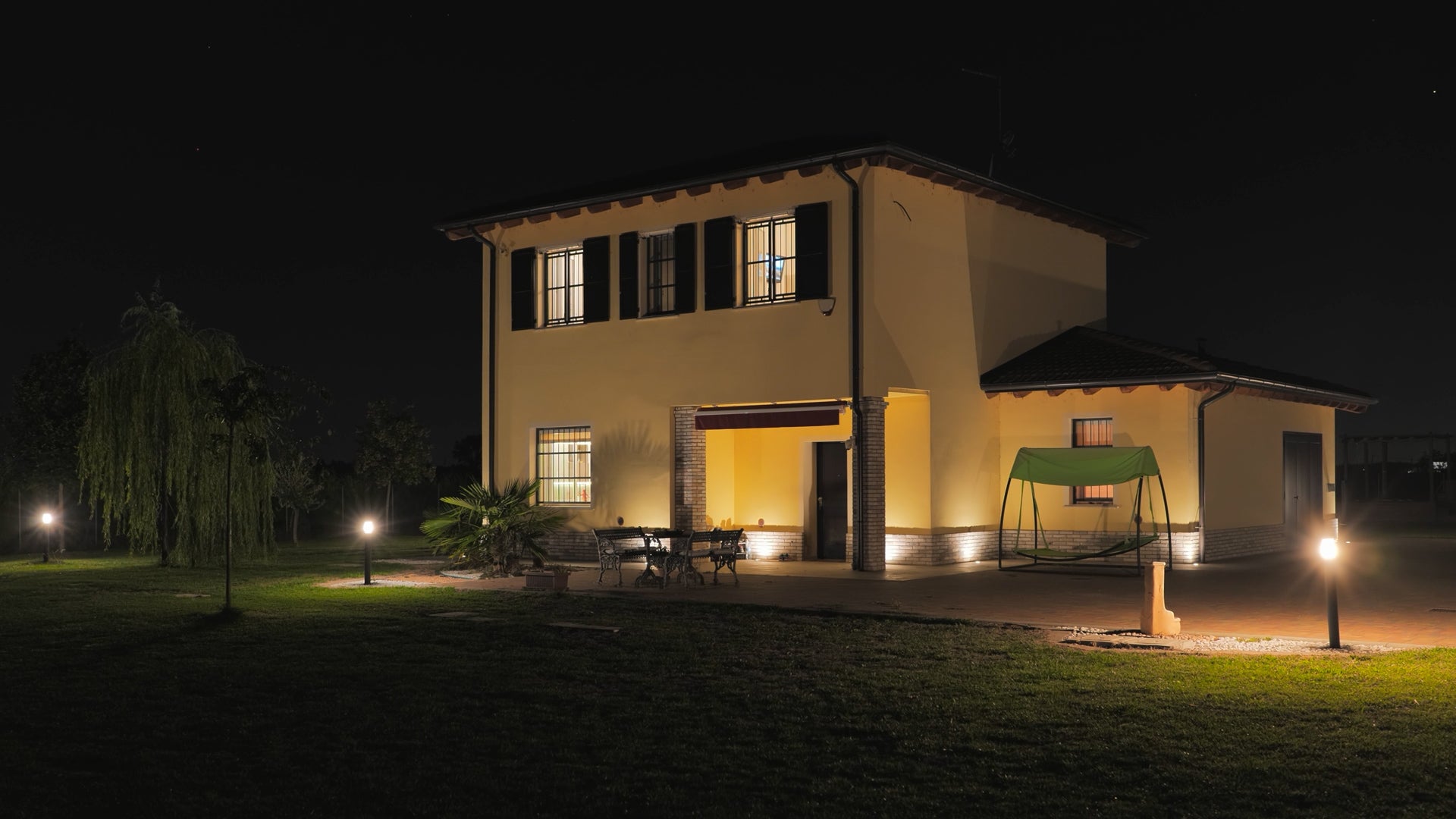
According to the legislation, non-conforming light fixtures—those that don’t meet the downward-facing requirements—would need to be shut off between 11 p.m. and 5 a.m., unless they are motion-activated. However, the bill includes numerous exceptions that have been largely overlooked in social media discussions.
The extensive exemption list includes lighting for highways, airports, emergency services, and worker safety. Additionally, temporary lighting for sporting events and concerts would remain unaffected while those activities are in progress.
“Nobody is saying you have to shut the lights off at 11 o’clock when you’re still engaged in the activity,” Glick clarified.
The bill also provides pathways for certain landmarks like Times Square to apply for special exemptions, acknowledging the cultural and economic significance of these illuminated areas. Holiday decorations would likewise be exempt from the restrictions.
Environmental experts have long advocated for reduced light pollution, citing its harmful effects on wildlife migration patterns, nocturnal ecosystems, and human health. Studies have shown that excessive artificial light at night can disrupt circadian rhythms in both animals and people, potentially contributing to sleep disorders and other health issues.
The Dark Skies initiative also has economic benefits. By reducing unnecessary nighttime lighting, municipalities and businesses could see meaningful energy savings, particularly relevant as New York continues pushing toward its ambitious climate goals under the Climate Leadership and Community Protection Act.
When questioned about enforcement mechanisms, Glick emphasized the educational rather than punitive nature of the legislation. “There are no fines,” she stated. “This is really about encouraging the Department of Environmental Conservation to provide educational materials to raise awareness.”
This approach suggests the bill is intended more as a framework for shifting practices around outdoor lighting rather than creating a strict regulatory regime with penalties.
The legislation has already passed the Environmental Conservation Committee by a vote of 20 to 9, with local Assembly members dividing on the issue. Assemblywoman Jen Lunsford voted in favor, while Assembly members Andrea Bailey and Brian Manktelow opposed the measure.
The bill now faces an uncertain path forward in the legislative process. Its progress will likely depend on building broader consensus among lawmakers concerned about potential impacts on businesses, municipalities, and residential areas.
Critics have expressed concerns about implementation costs, particularly for retrofitting existing lighting systems to comply with downward-facing requirements. Supporters counter that gradual implementation and the long-term energy savings would offset initial expenses.
As the legislature continues its deliberations, the Dark Skies Protection Act represents New York’s attempt to balance modern lighting needs with environmental conservation—preserving the increasingly rare ability to view stars in the night sky while maintaining necessary illumination for safety and commerce.
Fact Checker
Verify the accuracy of this article using The Disinformation Commission analysis and real-time sources.

5 Comments
As someone who enjoys stargazing, I welcome efforts to preserve the night sky. However, public safety and security needs should also be considered. I wonder if there are opportunities to incorporate innovative lighting technologies that are energy-efficient and environmentally friendly.
Interesting legislation to address light pollution. Balancing practical needs for illumination while preserving night sky visibility seems like a reasonable compromise. I wonder how the exceptions in the bill will be implemented and enforced in practice.
Light pollution is a growing problem, so I’m glad to see New York taking steps to address it. The proposed bill seems to have a nuanced approach, though the details around exceptions will be key. Overall, this looks like a thoughtful attempt to reduce waste while maintaining necessary illumination.
This is an important issue that impacts both energy use and environmental health. Directing light downward and using motion-activated fixtures are sensible approaches. I hope the legislation can find the right balance to meet the needs of residents and businesses.
The proposed legislation appears to strike a reasonable balance, but the devil is often in the details. I’ll be interested to see how the exceptions play out and whether the bill can achieve its goals without overly burdening residents and businesses.