


Listen to the article
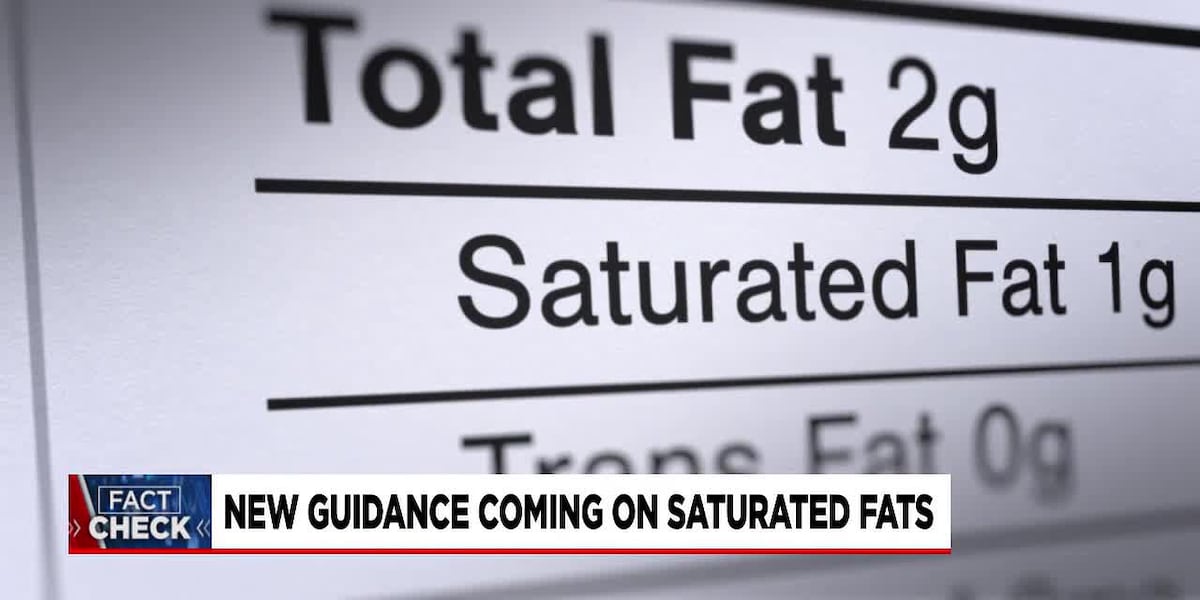
In a significant shift that may transform decades of dietary recommendations, health authorities are poised to release new guidance on saturated fats, potentially easing long-standing restrictions on foods like red meat, butter, and full-fat dairy products.
This anticipated policy update follows mounting scientific evidence suggesting that the relationship between saturated fats and cardiovascular disease is more nuanced than previously understood. For nearly 50 years, official health guidelines have advised Americans to limit saturated fat consumption to reduce heart disease risk, a recommendation that shaped food choices for generations.
“The science has evolved substantially since the original guidelines were established in the 1970s,” said Dr. Emily Richardson, a cardiovascular researcher at Clemson University Medical Center. “Multiple meta-analyses published in recent years have failed to establish a direct causal link between moderate saturated fat consumption and increased heart disease in otherwise healthy individuals.”
The reassessment comes as part of the regular review process for the Dietary Guidelines for Americans, jointly published every five years by the Department of Health and Human Services and the Department of Agriculture. The upcoming 2025-2030 edition is expected to reflect this changing scientific consensus.
Current guidelines recommend limiting saturated fat intake to less than 10% of daily calories. The new guidance may increase this threshold or potentially shift away from specific numerical targets altogether, focusing instead on overall dietary patterns and food quality.
This potential change represents a profound reversal in nutritional thinking. During the 1980s and 1990s, concerns about saturated fats led many Americans to replace butter with margarine and whole milk with skim alternatives, while food manufacturers reformulated products to reduce saturated fat content—often replacing it with refined carbohydrates and trans fats, which were later found to pose greater health risks.
“We essentially traded one problem for another,” explained Dr. Marcus Johnson, nutritional epidemiologist at the University of North Carolina. “Low-fat products frequently compensated for flavor loss by adding sugar and other refined carbohydrates, which we now know contribute significantly to inflammation, obesity, and metabolic disorders.”
The nutrition industry has already begun responding to changing consumer preferences. Sales of full-fat yogurt have increased 32% in the past five years, while butter consumption reached a 50-year high in 2022, according to data from market research firm Nielsen.
Major food corporations are reformulating products to align with this shift. Kraft Heinz recently launched a full-fat dairy product line, while Unilever has invested in developing premium butter-based spreads. The meat industry, which has struggled with declining red meat consumption over health concerns, may also benefit from revised guidelines.
However, not all health professionals support relaxing saturated fat guidelines. The American Heart Association continues to recommend limiting saturated fat intake, pointing to substantial evidence linking it to elevated LDL cholesterol—still considered a risk factor for heart disease.
“We’re concerned about potential misinterpretation of these new guidelines,” said Dr. Sarah Benson, spokesperson for the American Heart Association. “While the relationship between diet and heart health is complex, there remains strong evidence that replacing saturated fats with unsaturated fats improves cardiovascular outcomes in high-risk populations.”
Nutritionists emphasize that any new guidance will likely maintain focus on whole-food dietary patterns rather than simply encouraging increased consumption of historically restricted foods.
“This isn’t about giving people license to eat unlimited amounts of bacon and cheese,” said registered dietitian Laura Mendez. “Rather, it’s recognizing that whole, minimally processed foods—including those containing saturated fats—can be part of a healthy diet when consumed in appropriate portions alongside plenty of vegetables, fruits, and fiber-rich foods.”
The forthcoming guidelines will influence school lunch programs, hospital meal planning, and nutritional recommendations from healthcare providers nationwide. They also impact food labeling regulations and marketing claims, potentially reshaping how products are developed and promoted to consumers.
As Americans await the updated recommendations, experts advise maintaining a balanced approach to nutrition, focusing on overall dietary patterns rather than vilifying or celebrating specific nutrients in isolation.
Fact Checker
Verify the accuracy of this article using The Disinformation Commission analysis and real-time sources.

7 Comments
It’s refreshing to see health authorities willing to revisit long-standing dietary guidelines in light of new research. Curious to see how this affects recommendations around foods like red meat, butter, and full-fat dairy.
Glad to see the guidelines being updated to reflect the latest scientific understanding. Moderation and balance seem to be the key when it comes to saturated fats, rather than outright restrictions. Looking forward to seeing the final policy changes.
Well said. Nuance and flexibility in dietary recommendations are important, rather than rigid, one-size-fits-all advice.
This is a significant shift that could reshape how we think about saturated fats. I hope the new guidelines provide clear, evidence-based recommendations that empower consumers to make more informed choices about their diets.
Interesting to see the scientific consensus shifting on saturated fats. I’m curious to learn more about the nuanced relationship between saturated fats and heart disease risk. It will be important for the new guidelines to be based on robust, up-to-date evidence.
This is an important policy update that could have a significant impact on dietary recommendations and food choices. I appreciate the cautious, evidence-based approach the authorities seem to be taking. Looking forward to seeing the final guidelines.
Agreed, the scientific consensus seems to be evolving, which is good. Hopefully the new guidelines will provide clearer, more balanced advice for consumers.