


Listen to the article
In the wake of the U.S. Department of Justice’s massive January document release related to Jeffrey Epstein, journalists and the public alike are navigating a complex landscape of facts, rumors, and deliberate misinformation.
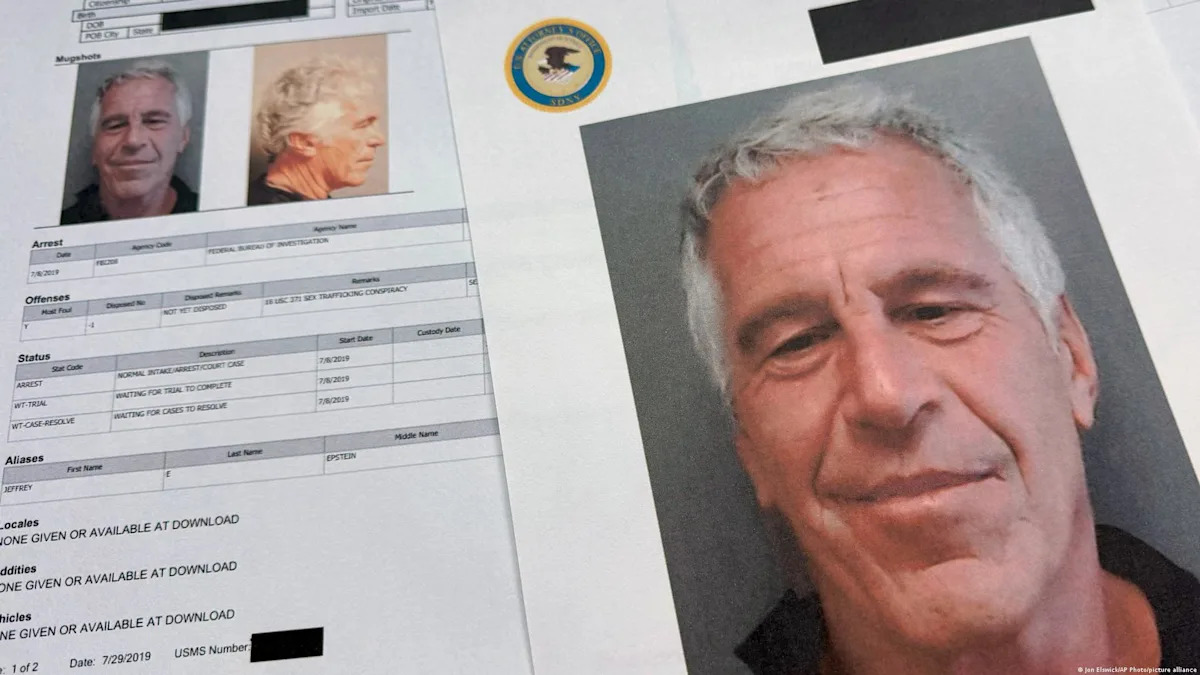
The DOJ made public more than 3.5 million documents connected to the convicted child sex offender, including over 180,000 images and 2,000 videos. This unprecedented release has provided a window into Epstein’s connections with celebrities, business leaders, and influential figures, but has simultaneously triggered a flood of unverified claims across social media platforms.
“Just having the documents doesn’t mean you can search them immediately,” explains Gianna Grün, head of data journalism at DW. “You have to make them machine-readable first.”
This technical challenge represents just one hurdle in the complex process of analyzing such an enormous data trove. Within hours of the release, social media was awash with screenshots, lists of names, and sensational allegations—many of which have proven to be false or misleading when subjected to rigorous fact-checking.
Steve Eder, an investigative reporter at The New York Times, cautions that public access doesn’t equate to veracity. “Even though these are now public records, it does not mean they are verified, true or accurate,” he noted. The Times has described its work on the Epstein files as “one of the largest and most complex reporting projects in recent New York Times history.”
Context is crucial when examining names mentioned in the documents. A person’s appearance in the files doesn’t automatically indicate involvement in criminal activity or a close relationship with Epstein.
This lack of context has fueled widespread misinformation. One viral example features an AI-generated image purporting to show Meta CEO Mark Zuckerberg sitting next to Epstein with LinkedIn co-founder Reid Hoffman also present. The image carries a “DFF” watermark, and a reverse image search reveals it originated from a social media account known for posting AI-generated content.
While a genuine photo of Zuckerberg does appear in the DOJ release—showing him at a 2015 dinner with Elon Musk where Epstein was not present—the fabricated image blends authentic elements with synthetic ones to create a convincing but entirely false narrative. Zuckerberg has stated he had no contact with Epstein beyond that dinner, while Hoffman has acknowledged meeting Epstein through fundraising activities, which he now regrets.
Another fabricated story claimed actor Tom Hanks was denied entry to Greece after his name allegedly appeared in the Epstein files. The post cited a non-existent “Greek Foreign Minister Jostaki Barronopolous.” In reality, Greece’s current foreign minister is George Gerapetritis, and while Hanks did receive Greek citizenship in 2020, there has been no revocation. His name does appear in the files, but only in passing references with no indication of wrongdoing.
“Context is very important: if a person is mentioned x times, the number itself doesn’t really tell you that much,” notes Grün. “Is the name popping up as part of a newsletter someone subscribed to? Or is it appearing because there has been an actual bilateral email exchange? Or is a third person mentioning your person of interest, and if so, in what semantic context?”
Major newsrooms worldwide are currently sifting through the material, with some collaborating across organizations while others employ AI tools to structure and process the data. The New York Times, for example, developed a specialized tool that leverages the DOJ’s search functionality to help reporters extract search results and organize them in spreadsheets.
This methodical approach stands in stark contrast to the rapid spread of unverified claims on social media, where attention-grabbing assertions often outpace careful analysis.
The DOJ has indicated that what’s been released represents only about half of the more than six million potentially responsive pages related to Epstein. Experts predict that the full process of investigating, verifying, and contextualizing this enormous volume of information could take years.
As this painstaking work continues, distinguishing between verified facts and viral fiction remains an ongoing challenge for journalists, researchers, and the public.
Fact Checker
Verify the accuracy of this article using The Disinformation Commission analysis and real-time sources.

7 Comments
The Epstein case is certainly a complex web of information that requires thorough fact-checking. It’s good to see journalists taking a cautious, methodical approach to analyzing the trove of documents released. Unverified claims on social media can be misleading and spread disinformation, so responsible reporting is crucial here.
I agree, the sheer volume of documents makes this a challenging task. Rigorous analysis is needed to separate fact from fiction and avoid further propagating false narratives.
This is an important story, but the reporting must be done carefully and responsibly. Jumping to unsubstantiated conclusions or spreading unverified information is irresponsible and can do more harm than good. I’m glad to see the journalists taking the time to properly analyze the data.
The Epstein case is a complex and sensitive matter, and it’s encouraging to see journalists taking a cautious and rigorous approach to analyzing the documents. Fact-checking is vital to ensure the public is informed accurately and responsibly.
Navigating the Epstein case is no easy feat, with so much information and misinformation circulating. The technical challenges of making the documents machine-readable are just one hurdle. Thorough fact-checking is essential to cut through the noise and report the truth.
Absolutely. Social media has amplified the spread of unverified claims, making the job of journalists even more critical. They must resist the urge to jump on sensational allegations and instead focus on methodical analysis backed by solid evidence.
Handling a massive data release like this must be an immense challenge. I’m glad to see the journalists are taking the time to make the documents machine-readable and conduct thorough fact-checking before reporting. Rushing to conclusions or spreading unverified claims would only serve to further muddy the waters.