


Listen to the article
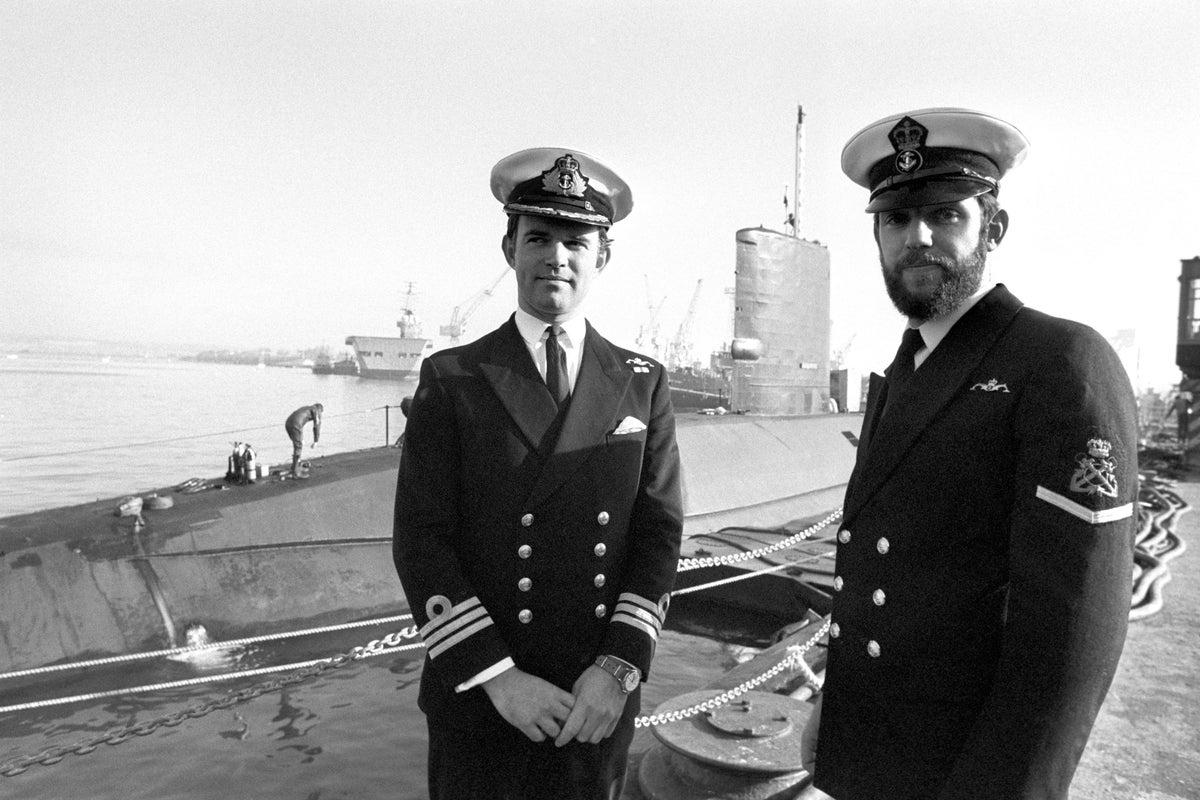
In a historic naval operation, a US submarine has sunk an Iranian warship in the Indian Ocean using torpedo technology, marking what US Defense Secretary Pete Hegseth described as the first such attack on an enemy vessel since World War II.
“Yesterday in the Indian Ocean… an American submarine sunk an Iranian warship that thought it was safe in international waters,” Hegseth stated during a Wednesday briefing. “Instead it was sunk by a torpedo – a quiet death – the first sinking of an enemy ship by a torpedo since World War Two.”
While the operation represents a significant escalation in US-Iranian tensions, fact-checking reveals that Hegseth’s historical claim requires context. The sinking is indeed the first time since WWII that the United States specifically has sunk an enemy ship with torpedo technology, but not the first instance globally of such an attack.
Military analysts point to at least three documented cases of torpedo attacks resulting in sunken vessels in the post-WWII era. In 2010, the South Korean navy ship ROKS Cheonan was split in two and sank after what international investigators determined was a torpedo strike. Evidence pointed to North Korea as the perpetrator, though Pyongyang denied involvement in what became one of the most contentious naval incidents in East Asian waters that decade.
During the 1982 Falklands War, British forces demonstrated the continued effectiveness of submarine warfare when the Royal Navy submarine HMS Conqueror torpedoed and sank the Argentine cruiser ARA General Belgrano. The attack, which resulted in 323 casualties, remains one of the most controversial actions of that conflict and represented the only time a nuclear-powered submarine has engaged an enemy vessel in combat.
Even earlier, during the Indo-Pakistani War of 1971, the Pakistani submarine PNS Hangor successfully targeted the Indian Navy frigate INS Khukri with torpedoes, sinking the vessel and causing significant casualties. This engagement represented the first submarine kill since World War II and demonstrated the continued strategic importance of submarine warfare in regional conflicts.
The latest US action against the Iranian vessel marks a significant moment in the ongoing tensions between Washington and Tehran, which have escalated through various proxy conflicts across the Middle East in recent years. Military experts suggest that submarine-based operations provide the US with strategic advantages, including stealth capabilities and the element of surprise.
The use of torpedo technology, rather than more modern missile systems, is notable for its tactical implications. Torpedoes allow for underwater attacks that can be difficult to detect or counter, particularly when launched from advanced submarines in the US naval fleet. This operational choice demonstrates the continued relevance of traditional naval warfare tactics even in an era dominated by precision-guided missiles and drone technology.
The Pentagon has not released complete operational details, including which specific submarine conducted the mission or the exact location within the vast Indian Ocean where the engagement occurred. Such operational security is standard for sensitive naval operations.
This naval confrontation represents a significant development in US-Iranian relations, which have deteriorated in recent years following the US withdrawal from the nuclear agreement during the Trump administration and subsequent reimposition of economic sanctions. The direct military engagement marks a departure from the more indirect confrontations that have characterized the relationship in recent years.
Regional security experts are closely monitoring potential Iranian responses to this naval loss, as Tehran has historically relied on asymmetric warfare tactics, including support for proxy forces across the region, rather than direct military confrontation with technologically superior US forces.
Fact Checker
Verify the accuracy of this article using The Disinformation Commission analysis and real-time sources.

26 Comments
If AISC keeps dropping, this becomes investable for me.
Good point. Watching costs and grades closely.
Good point. Watching costs and grades closely.
If AISC keeps dropping, this becomes investable for me.
Production mix shifting toward Fact Check might help margins if metals stay firm.
Good point. Watching costs and grades closely.
Good point. Watching costs and grades closely.
Exploration results look promising, but permitting will be the key risk.
Good point. Watching costs and grades closely.
Good point. Watching costs and grades closely.
Production mix shifting toward Fact Check might help margins if metals stay firm.
Good point. Watching costs and grades closely.
Uranium names keep pushing higher—supply still tight into 2026.
Good point. Watching costs and grades closely.
Good point. Watching costs and grades closely.
Nice to see insider buying—usually a good signal in this space.
Good point. Watching costs and grades closely.
Good point. Watching costs and grades closely.
Nice to see insider buying—usually a good signal in this space.
Good point. Watching costs and grades closely.
I like the balance sheet here—less leverage than peers.
Good point. Watching costs and grades closely.
Exploration results look promising, but permitting will be the key risk.
Silver leverage is strong here; beta cuts both ways though.
Good point. Watching costs and grades closely.
If AISC keeps dropping, this becomes investable for me.