


Listen to the article
Breaking: Misinformation Floods Social Media as Middle East Tensions Escalate
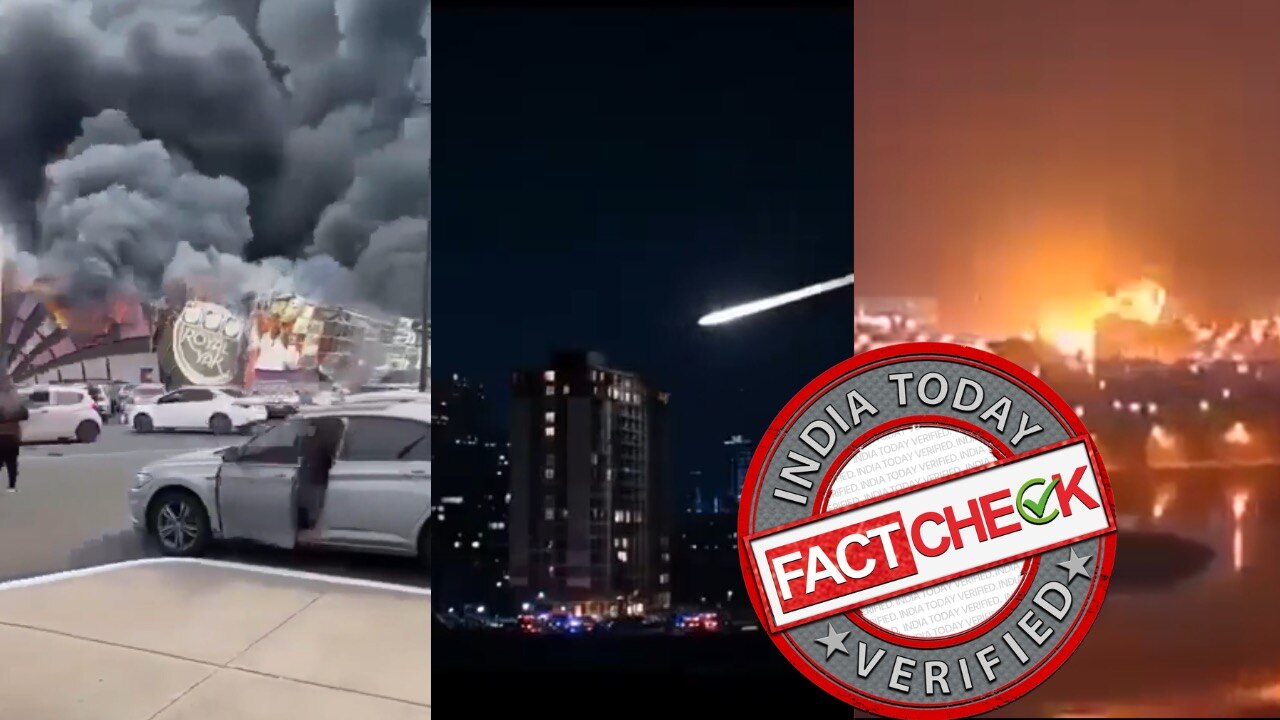
Amid escalating military confrontations between the United States, Israel, and Iran, social media platforms have been inundated with videos purporting to show recent attacks and their aftermath. An investigation reveals that many widely shared clips are either outdated, taken out of context, or entirely fabricated using artificial intelligence.
The current crisis intensified following joint US-Israeli strikes that reportedly killed Iran’s supreme leader, Ayatollah Ali Khamenei. In response, the Iranian Revolutionary Guard Corps is said to have launched retaliatory attacks on US military installations across the Middle East and Israeli facilities in Tel Aviv.
As tensions rise, the information landscape has become increasingly muddied with unverified content. Our investigation identified four videos being widely circulated that demonstrate how misinformation spreads during international conflicts.
One viral video claimed to show Iranian missile attacks on Israeli airbases, featuring dramatic footage of massive flames and thick black smoke billowing into the sky. “This is a video of Israel’s destruction, something no national or international media channel will ever show,” wrote one user on X (formerly Twitter).
However, a reverse image search revealed this footage actually originated in January 2025 and shows a massive fire at a casino in Culiacán, Mexico. The video has no connection to the current Middle East conflict but has been repurposed to fit the ongoing narrative.
Another compilation video showing multiple explosions and strikes was shared with captions suggesting recent Iranian missile attacks. “Iran’s anger isn’t cooling down; it has fired its most dangerous missiles,” read one post accompanying the footage.
This video, too, proved to be misleading. The identical compilation was previously shared on social media in March 2023. Further investigation traced the footage back to a YouTube video posted in February 2021 documenting the US bombardment of Baghdad, Iraq in 2003—nearly two decades before the current conflict.
Perhaps most concerning is the emergence of entirely fabricated content generated using artificial intelligence. Two videos purporting to show dramatic scenes from the conflict bear telltale signs of AI creation. One features a visible watermark from Veo, Google’s video-generating AI tool, while another was traced to an earlier version bearing the Sora watermark, indicating it was created using OpenAI’s generative video model.
The proliferation of such manipulated and fabricated content presents significant challenges for journalists, policymakers, and the public attempting to understand rapidly evolving international situations. Media literacy experts warn that during times of crisis, the spread of misinformation can escalate tensions, create panic, and complicate diplomatic efforts.
“The speed at which falsified content can spread during international crises has reached unprecedented levels,” explains Dr. Mira Kopolovich, a media studies professor at Georgetown University. “What we’re seeing now is a perfect storm—high-stakes international conflict combined with increasingly sophisticated AI tools capable of generating convincing fake footage.”
Intelligence agencies worldwide have issued warnings about the dangers of misinformation during the current crisis. They urge the public to verify information through multiple reliable sources before sharing content related to the conflict.
Social media platforms have announced enhanced measures to identify and label potentially misleading content, though critics argue these efforts remain insufficient given the volume and sophistication of modern misinformation campaigns.
As diplomatic channels work to prevent further escalation in the Middle East, the parallel battle against misinformation continues in the digital realm. Fact-checking organizations emphasize the importance of skepticism when viewing dramatic footage online, particularly during fast-moving international crises when the pressure to share breaking news can override verification processes.
Fact Checker
Verify the accuracy of this article using The Disinformation Commission analysis and real-time sources.
