


Listen to the article
Iranian retaliation against Israel and the US has sparked a wave of misinformation on social media, with numerous outdated and unrelated videos being falsely presented as evidence of recent attacks. Security analysts note this pattern is common during major geopolitical conflicts, as both deliberate disinformation and innocent confusion flourish in times of crisis.
Following strikes by Israel and the United States, Iran launched retaliatory attacks targeting Israel and US military installations across the Middle East, including assets in Bahrain, Saudi Arabia, Qatar, the United Arab Emirates, and Iraq. The escalation has heightened tensions across the region and sent energy markets into volatility.
As the conflict unfolds, social media platforms have been flooded with hundreds of photos and videos purportedly showing these attacks. However, fact-checking efforts have revealed many of these visual materials are recycled from past conflicts or entirely unrelated incidents.
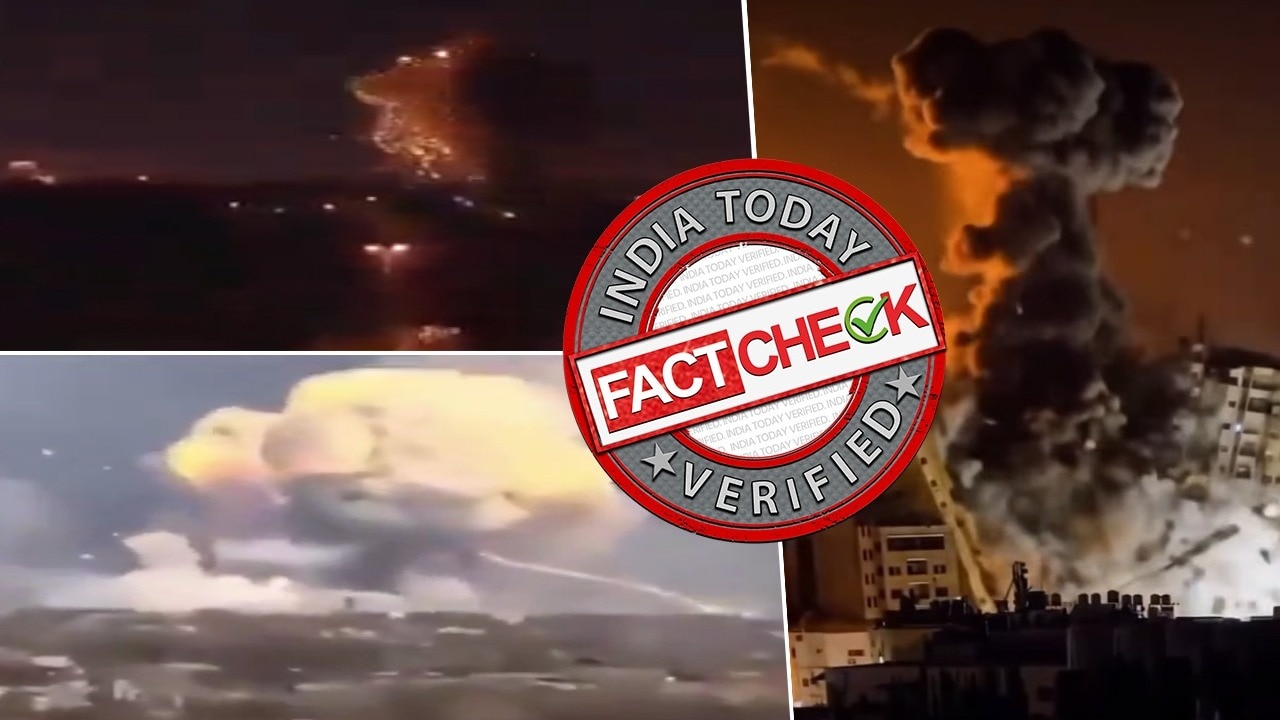
One widely shared video showing massive fireballs and thick smoke plumes was falsely described as Iran’s attack on an Israeli nuclear facility. Social media posts claimed it depicted damage to “Israel’s nuclear reactor power plant.” However, reverse image searches traced the footage to 2017, when it was published by numerous media outlets including Global News and Daily Mail. The actual video shows an ammunition depot explosion in Balakliya, a town in eastern Ukraine.
Security experts point out that no credible reports have emerged confirming attacks on nuclear facilities in Israel, which would represent a significant escalation in the conflict. Israel’s nuclear facilities are among the most heavily defended installations in the country, with multiple layers of air defense systems.
Another misleading video showing multiple nighttime explosions across an urban landscape was shared with captions suggesting it depicted Tel Aviv under attack. Social media posts claimed this footage showed ongoing Iranian strikes against the Israeli city. In reality, the video dates back to 2003, showing the American “Shock and Awe” bombing campaign over Baghdad during the Iraq War. This footage was previously published by CNN and archived by ITN.
Perhaps most concerning is the emergence of what appears to be AI-generated content. A video purporting to show a missile splitting a building in Tel Aviv was widely circulated. While no older version of the exact video could be found, the building in question matches Reuters and Al Arabiya English photographs from April 2023 described as showing “smoke rising amid buildings during Israeli airstrikes in Gaza.” The video was likely created using AI tools to manipulate the still image.
Media literacy experts warn that the proliferation of such misleading content can significantly impact public perception of conflicts. “During times of geopolitical tension, the spread of misinformation can heighten fears, influence policy discussions, and potentially even affect military decision-making,” said Dr. Karen Jenkins, professor of Information Science at Columbia University.
The Middle East conflict has increasingly become a battleground for information warfare, with various actors using social media to shape narratives favorable to their interests. Intelligence officials from several Western nations have noted coordinated disinformation campaigns attempting to inflame tensions or misrepresent the nature and scope of attacks.
Social media companies have implemented enhanced fact-checking protocols, but the volume of content makes comprehensive review challenging. Users are advised to verify information through multiple credible news sources before sharing conflict-related content.
As tensions between Iran, Israel, and their respective allies continue to simmer, the importance of accurate reporting and responsible information sharing remains paramount in preventing further escalation based on misunderstandings or deliberate manipulation.
Fact Checker
Verify the accuracy of this article using The Disinformation Commission analysis and real-time sources.

14 Comments
The use of outdated or unrelated footage to exaggerate the situation is concerning. It’s a good reminder to be skeptical of visual claims and to seek out authoritative sources for information.
Yes, critical thinking and source verification are essential skills, especially when it comes to sensitive geopolitical events and their media coverage.
The energy market volatility is concerning, given the role that energy commodities play in the global economy. Hopefully the situation can be de-escalated before further disruptions occur.
Yes, the impacts on energy markets are something to closely monitor. Stability in that sector is important for many industries and consumers.
The volatility in energy markets highlights the geopolitical sensitivities around resources like oil and gas. Careful management of these commodities is crucial for economic stability.
Yes, the energy sector is highly interconnected with broader geopolitical dynamics. Maintaining reliable supply chains is an ongoing challenge.
It’s a prime example of how social media can rapidly amplify misinformation, especially during high-tension situations. Fact-checking efforts play a vital role in countering the spread of false claims.
Exactly. The speed and reach of social media makes it an ideal vector for the dissemination of misinformation. Rigorous verification is key.
Interesting to see the amount of misinformation circulating during these geopolitical conflicts. It’s important to rely on authoritative sources and fact-checking efforts to separate truth from fiction.
Absolutely, the spread of false information during crises can be highly problematic. Careful verification of sources is crucial.
It’s concerning to see the recycling of old footage being presented as new attacks. Fact-checking is so important to maintain an accurate understanding of evolving events.
Absolutely. Verifying the provenance of visual media is essential to avoid spreading misinformation, even unintentionally.
I’m curious to see how this conflict plays out and whether diplomatic efforts can help resolve the underlying tensions. Misinformation during these events often adds to the complexity.
Agreed, diplomatic solutions will be crucial in navigating this situation. Misinformation can make de-escalation more challenging.