


Listen to the article
Viral Farage-Epstein Photo Revealed as AI-Generated Fake
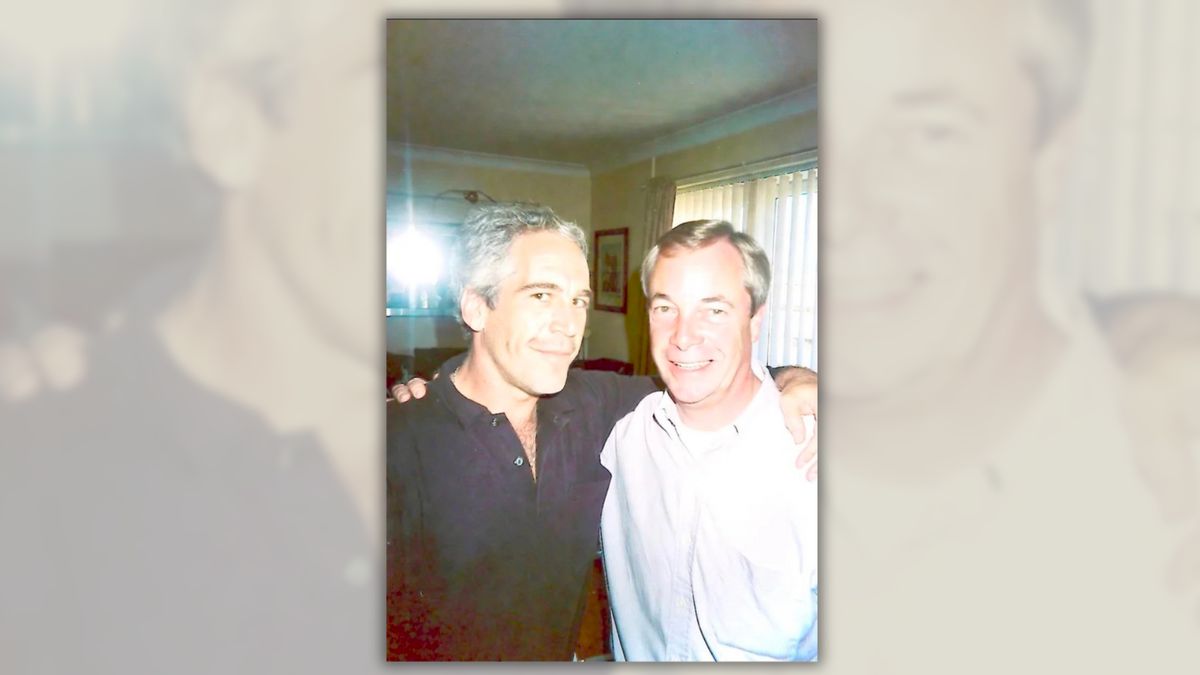
A purported photograph showing Reform UK leader Nigel Farage with convicted sex offender Jeffrey Epstein has been confirmed as fraudulent, according to digital forensic analysis. The image began circulating on social media platforms X and Threads in early February 2026, shortly after the U.S. Department of Justice released over 3 million files related to the Epstein investigation.
The timing of the image’s appearance—directly following the DOJ’s massive document dump on January 30—led many social media users to incorrectly assume it originated from official investigation files. However, comprehensive searches through the released documents reveal no mention of any connection between Farage and Epstein, nor does the image appear in the DOJ archives.
Digital media experts point to several telltale signs of artificial intelligence manipulation in the photograph. The most obvious inconsistencies include improper rendering of Epstein’s ear shape, his hair parted on the incorrect side compared to authenticated photographs, and unnatural lighting patterns that create physically impossible shadows.
“The lighting in the image simply doesn’t make physical sense,” explained one digital forensics specialist who examined the photograph. “There’s a bright glare on the left side that contradicts the shadow patterns on both men’s faces. These are classic indicators of AI-generated imagery.”
Multiple AI detection tools including Hive Moderation, Sight Engine, and ZeroGPT provided varying results when analyzing the image, but visual inspection by experts confirmed numerous flaws consistent with current limitations in generative AI technology. Artificial intelligence programs often struggle to accurately reproduce human features like ears, hands, and consistent lighting—all issues present in the fabricated Farage-Epstein photograph.
Despite the image’s fraudulent nature, it spread rapidly across social media platforms, gaining traction amid heightened public interest following the DOJ’s release of Epstein-related files. The case highlights the growing challenge of distinguishing between authentic and AI-generated imagery, particularly when involving public figures.
No credible news organizations reported on any relationship between Farage and Epstein, and exhaustive searches of media archives and the newly released DOJ files reveal no evidence the two men ever met or had any direct connection. This absence of corroborating evidence from legitimate sources further confirms the image’s inauthenticity.
This incident isn’t isolated. Since Epstein’s death in 2019, numerous fabricated images purporting to show the disgraced financier with various politicians and celebrities have circulated online. The phenomenon accelerated following the January 2026 document release, with social media users racing to find or create sensational content related to the case.
Reform UK, Farage’s political party, has not issued a formal statement regarding the fabricated image. Farage, known for his pivotal role in the Brexit movement and his controversial political views, has frequently been the target of misinformation campaigns on social media.
Digital media literacy experts warn that as AI technology advances, distinguishing between authentic and generated imagery will become increasingly difficult for the average person. They recommend verifying images through multiple credible sources before accepting their authenticity, particularly when they purport to show unexpected or provocative connections between public figures.
The DOJ’s release of the Epstein files represents one of the largest document dumps in recent history, containing millions of pages related to the investigation of Epstein’s crimes. While many genuine connections between Epstein and high-profile individuals have been documented, this particular image joining Farage to Epstein has been conclusively debunked as an AI-generated fake.
Fact Checker
Verify the accuracy of this article using The Disinformation Commission analysis and real-time sources.

7 Comments
The revelation that the Farage-Epstein photo was artificially generated is a troubling development. It underscores the need for robust fact-checking procedures to combat the spread of misinformation. As technology advances, we must remain vigilant in our scrutiny of visual content and its origins.
Fascinating that the image of Farage and Epstein was revealed as a fabrication. It’s important to verify the authenticity of media, especially when it involves controversial public figures. This serves as a good reminder to be cautious about information we encounter online.
This case highlights the importance of verifying the authenticity of images, especially those involving high-profile individuals. The use of AI to create fabricated content is a concerning trend that demands increased media literacy and fact-checking efforts. Maintaining the integrity of information is crucial for an informed public.
It’s concerning to see the spread of manipulated images online, especially around sensitive topics like the Epstein investigation. Fact-checking is crucial to combat the proliferation of misinformation. This case highlights the need for digital media literacy and critical analysis of visual content.
The image of Farage and Epstein was clearly doctored, as the digital forensic analysis revealed. It’s troubling how easily AI-generated fakes can be used to mislead the public. Vigilance is needed to discern authentic from fabricated content, especially when it involves high-profile figures.
I’m glad the authorities were able to confirm that the Farage-Epstein photo was a fake. Verifying the origins and accuracy of images is vital, especially when they relate to controversial individuals and events. This serves as an important lesson on the risks of misinformation in the digital age.
The fabricated image of Farage and Epstein is a sobering example of how AI can be used to create convincing fakes. It’s crucial that we approach online content with a critical eye and rely on authoritative sources to separate fact from fiction. Maintaining media literacy is essential in today’s information landscape.