


Listen to the article
Viral Image of Jeffrey Epstein with “Island Boys” Confirmed as AI-Generated Fake
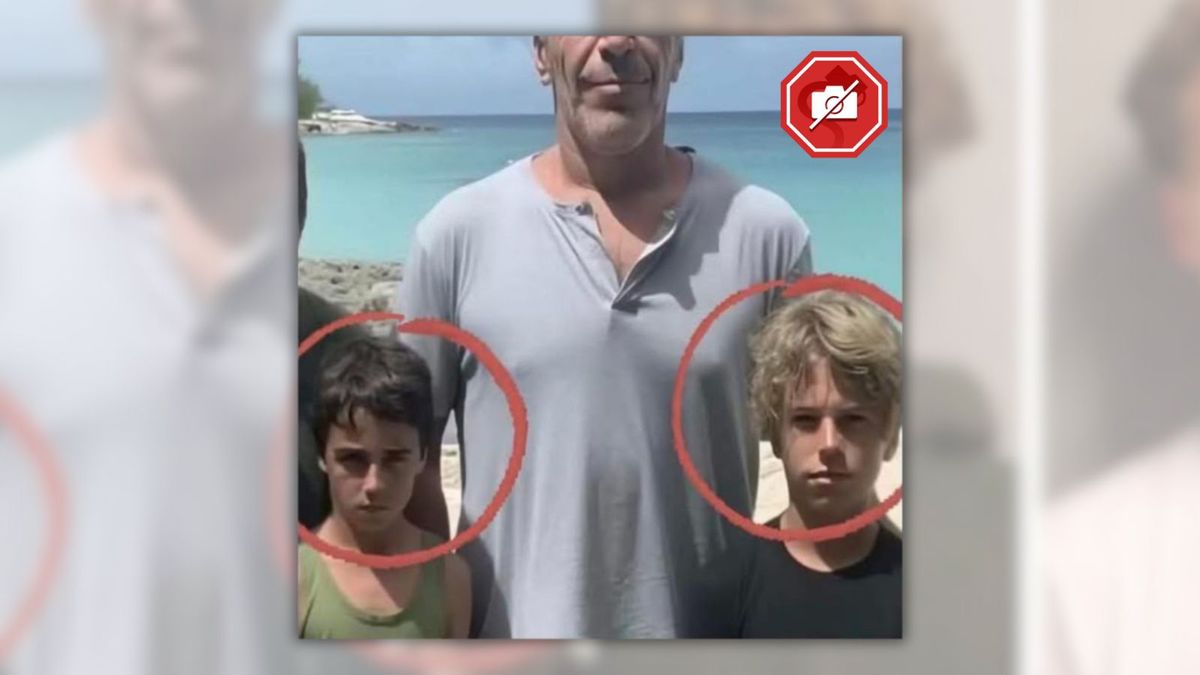
A viral image purportedly showing convicted sex offender Jeffrey Epstein posing with the Venegas twins, who later became known as the “Island Boys” hip-hop duo, has been conclusively debunked as an AI-generated fake.
The manipulated image began recirculating on social media platforms in early February 2026, with an X user posting a collage featuring the alleged photo of Epstein with his arms around two young boys claimed to be Alex “Flyysoulja” Venegas and his twin brother Franky “Kodiyakredd” Venegas. The post, which appeared amid renewed interest following a fresh release of Epstein case files, was captioned “It all makes sense now,” insinuating a connection between the disgraced financier and the social media personalities.
Investigation into the image’s origins reveals it was created using the AI platform Midjourney and first appeared in March 2023, posted by an Instagram account with “AI” prominently featured in its username. The original post from @aiartistking included hashtags explicitly identifying it as AI-generated content, using tags like “#midjourney” and “#midjourneyv5.”
Alex Venegas himself confirmed to TMZ in 2023 that neither he nor his brother appeared in the image. Digital investigation specialists, including the X user @hoaxeye, also independently verified the image as fraudulent.
Visual analysis of the high-resolution original reveals numerous telltale signs of AI generation, including unnaturally smooth and shiny skin textures on all subjects depicted. A second image in the original Instagram post showed even more obvious AI artifacts, including facial deformities and distortions around Epstein’s mouth.
The Venegas twins rose to social media fame in 2021 after their improvised song “I’m an Island Boy” went viral on TikTok. Their distinctive appearance, featuring colorful tattoos and vertical dreadlocks, made them easily recognizable internet personalities, likely contributing to why they were targeted for this digital manipulation.
This incident highlights the growing challenge of AI-generated imagery in spreading misinformation. As generative AI technology becomes more sophisticated and accessible, distinguishing between authentic and fabricated content becomes increasingly difficult for average social media users. Common indicators of AI-generated imagery include unnatural skin textures, subtle facial deformities, and inconsistencies in features like hands and fingers.
Social media platforms continue to grapple with how to effectively identify and label AI-generated content. While some platforms have implemented policies requiring disclosure when posting synthetic media, enforcement remains inconsistent across the digital landscape.
The spread of this fabricated image also demonstrates how AI-generated content can exploit existing conspiracies and public interest in high-profile cases. Jeffrey Epstein, who died in prison in 2019 while awaiting trial on sex trafficking charges, remains the subject of intense public speculation and conspiracy theories.
Digital literacy experts recommend that users approach sensational imagery with healthy skepticism, particularly when images appear to make extraordinary claims without corroborating evidence from reliable sources. Looking for unusual skin textures, strange lighting effects, and anatomical inconsistencies can help identify potentially fabricated content.
Despite being definitively debunked nearly three years ago, the fake image continues to resurface periodically on social media, demonstrating the persistent nature of digital misinformation and the challenges in permanently correcting the record in today’s fragmented information landscape.
Fact Checker
Verify the accuracy of this article using The Disinformation Commission analysis and real-time sources.

14 Comments
It’s concerning to see how easily manipulated images can be created using AI these days. This debunking is a good reminder to always verify the authenticity of viral content before sharing it.
Yes, the ability of AI to generate convincing fakes is a real threat to the integrity of information online. Fact-checking and digital literacy education will be crucial in the fight against misinformation.
This is a clear example of the dangers of AI-generated content being used to spread disinformation. Fact-checking is essential to maintain the integrity of news and information.
Absolutely. While AI can be a powerful tool, it can also be misused to create misleading content. Responsible journalism is key to combating this problem.
It’s good to see this fake image being thoroughly debunked. The ability of AI to generate convincing fakes is a real challenge that news outlets and social media platforms will have to continue grappling with.
Absolutely. This highlights the importance of rigorous fact-checking and source verification, especially for viral or sensational content. We must remain cautious and critical consumers of online information.
The use of AI to create fake images is quite concerning. It’s a good thing this particular image was quickly debunked. We need to stay vigilant against the spread of misinformation online.
Yes, this is a worrying trend that will likely continue to grow. Educating the public on how to spot AI-generated fakes is crucial to prevent the further spread of disinformation.
This is a cautionary tale about the potential for AI to be misused for nefarious purposes. Fact-checking and transparency are vital to maintaining trust in media and information sources.
I agree. As AI technology becomes more advanced, we must be vigilant about how it is being deployed and ensure it is not being used to mislead the public.
The spread of AI-generated misinformation is a growing concern that needs to be addressed. This debunking is a positive step, but more needs to be done to educate the public and combat the spread of fake content.
I agree. Proactive measures, such as improved content moderation and user awareness campaigns, will be essential to staying ahead of this problem as AI technology continues to advance.
Interesting to see this debunking of the fake image. It’s a good reminder to always verify viral social media content before sharing. Manipulated images can be so convincing these days.
Agreed, it’s important to be cautious about images that seem too salacious or controversial. Fact-checking is crucial to avoid spreading misinformation.