


Listen to the article
Hungary’s continued reliance on Russian crude oil remains a contentious issue across the European Union, with Budapest steadfastly maintaining that the country has no viable alternative to Russian energy supplies. However, energy analysts and EU officials increasingly question whether this dependency is truly unavoidable or rather the result of deliberate policy choices.
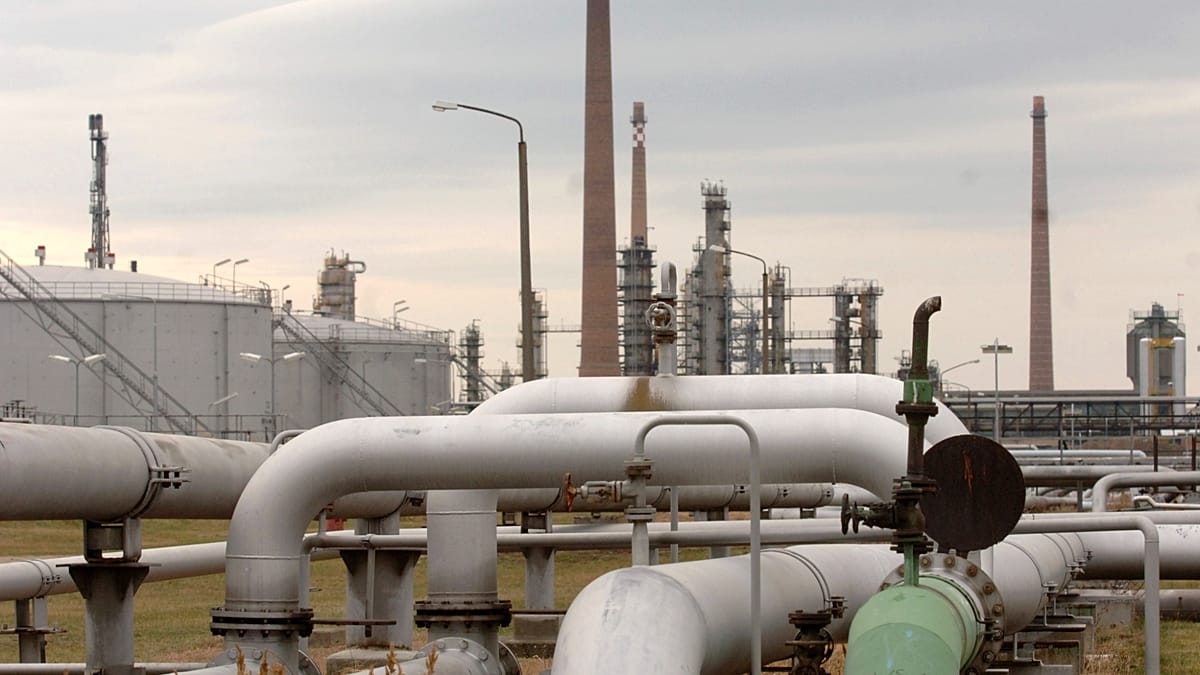
The Hungarian government, led by Prime Minister Viktor Orbán, has repeatedly cited the landlocked country’s geographic limitations and refinery infrastructure as primary reasons for its continued imports of Russian oil. Officials in Budapest point to the Soviet-era pipeline network that has historically supplied the country and claim that retrofitting refineries to process alternative crude varieties would be prohibitively expensive.
“Our energy security is not a political question but a physical reality,” said a senior Hungarian energy ministry official who requested anonymity. “The Druzhba pipeline has been our lifeline for decades, and complete diversification would require billions in investment that would ultimately be passed to Hungarian consumers.”
However, independent energy analysts paint a more nuanced picture. According to Márton Kruppa, an energy policy researcher at Central European University, Hungary’s continued reliance on Russian crude represents “a combination of technical constraints, economic considerations, and political alignment.”
“While it’s true that Hungary faces greater challenges than coastal EU members in diversifying supply, other landlocked countries like Slovakia and the Czech Republic have made more substantial progress in reducing Russian oil imports,” Kruppa explained. “The difference appears to be in political will.”
The Hungarian oil company MOL has invested in adapting its refineries to process non-Russian crude, but progress has been notably slower than similar facilities in neighboring countries. Industry experts suggest that more aggressive timelines could have been implemented if reducing Russian energy dependence had been prioritized.
The European Commission has repeatedly expressed frustration with Hungary’s stance, especially as the bloc attempts to present a united front against Russian energy leverage. During a recent energy security conference in Brussels, EU Energy Commissioner highlighted that technical assistance and funding mechanisms exist specifically to help member states transition away from Russian energy dependence.
“We understand the technical challenges, but solutions exist if there is political commitment,” the Commissioner stated. “The question is whether there is genuine interest in pursuing those solutions.”
Economic considerations also play a significant role in Hungary’s energy policy. Russian oil has typically been available at a discount compared to alternative sources, particularly since the start of sanctions against Russia. This price advantage creates a strong economic incentive for Hungary to maintain its current supply arrangements, especially as the country navigates economic challenges and high inflation rates.
The geopolitical dimension cannot be ignored. Hungary has cultivated closer ties with Moscow than most EU members, with Prime Minister Orbán meeting Russian President Vladimir Putin multiple times in recent years. Critics suggest that energy policy serves as both an economic and diplomatic tool in this relationship.
Market analysts note that Hungary’s position has implications beyond its borders. “Hungary’s continued imports of Russian oil undermine the collective European effort to reduce Russia’s energy leverage and revenue streams,” explained Sophia Meyer, an energy security specialist at the European Policy Institute. “It also creates competitive disparities within the EU’s single market when some companies have access to discounted Russian energy while others adhere to sanctions.”
Looking ahead, Hungary faces increasing pressure from EU partners to accelerate its energy diversification. The completion of new interconnectors with neighboring countries offers potential alternative supply routes, though these would likely come at higher costs than the current arrangement.
As Europe continues its broader transition away from fossil fuels, the question of Russian oil dependency may eventually be superseded by the shift toward renewable energy. However, for the foreseeable future, Hungary’s energy relationship with Russia remains a significant point of contention within European energy policy discussions.
The situation highlights the complex interplay between technical infrastructure limitations, economic considerations, and political choices that shape energy policy in the region, with implications that extend far beyond Hungary’s borders.
Fact Checker
Verify the accuracy of this article using The Disinformation Commission analysis and real-time sources.

10 Comments
Diversifying energy supplies is a critical priority for Europe, but the article shows the difficulties Hungary faces in transitioning away from Russian oil. The costs and logistical challenges are significant. I hope they can find a viable path forward that strengthens their energy security.
Interesting analysis of Hungary’s reliance on the Druzhba pipeline. It highlights the infrastructure and investment challenges they face in diversifying their energy supplies. Curious to see what alternatives are viable and cost-effective for them.
Agreed, the geographic and legacy infrastructure constraints are significant hurdles. It will be important for Hungary to carefully assess the tradeoffs between costs, security of supply, and environmental impact as they explore alternatives.
This is a complex issue without easy solutions. Hungary’s reluctance to fully wean off Russian oil is understandable given their existing refinery setup and pipeline network. However, the EU’s push for energy diversification puts pressure on them to find alternatives.
You’re right, it’s a challenging balance. Hungary needs to weigh the costs and risks of transitioning versus maintaining the status quo. Hopefully they can find a path that enhances their energy security without overly burdening consumers.
This is a thorough examination of Hungary’s predicament regarding the Druzhba pipeline. The article highlights the valid concerns about the feasibility and expense of retrofitting their refining infrastructure. It will be interesting to see what creative solutions Hungary and the EU can devise.
Absolutely, creative thinking and flexibility will be key. With the right incentives and support, perhaps Hungary can find a balanced approach that enhances their energy security while meeting EU objectives. I’m curious to see how this plays out.
The article highlights the challenges Hungary faces in reducing its dependence on Russian oil. Retrofitting refineries and building new infrastructure would be a significant investment. I’m curious to learn more about the specific alternative supply options they are exploring.
This is a timely and important issue as the EU seeks to reduce its reliance on Russian energy. Hungary’s position as a landlocked country with Soviet-era infrastructure complicates matters. I’ll be interested to see what solutions they are able to implement.
Agreed, the geopolitical dynamics add another layer of complexity. Hungary’s energy choices have broader implications for European security and unity. Finding the right balance will require careful analysis and diplomacy.