


Listen to the article
India’s Oil Reserves Secure Amid West Asia Tensions, Government Clarifies
Amidst growing concerns over fuel security triggered by the ongoing West Asia conflict, the Indian government has firmly refuted viral social media claims suggesting the country has only “5-10 days of oil reserves left.” In a statement released Saturday through the Press Information Bureau (PIB), officials confirmed India maintains a robust reserve capacity of approximately 74 days, with current stocks covering nearly 60 days of national consumption.
“The fuel supply situation remains stable, secure, and continuously monitored,” the government statement emphasized, assuring citizens there is no shortage of petrol, diesel, or LPG anywhere in the country. These reserves include crude oil, petroleum products, and strategic stockpiles stored in underground caverns, providing nearly two months of guaranteed fuel availability nationwide.
Officials urged the public to remain calm and rely exclusively on verified information from official government sources regarding fuel and gas availability, rather than social media speculation.
India’s energy security concerns have heightened since February 28, when Israel and the United States conducted joint strikes against Iran, resulting in the death of Supreme Leader Ayatollah Ali Khamenei. Iran’s subsequent retaliation expanded the conflict’s scope, affecting neighboring countries and disrupting crucial maritime routes.
The escalating tensions have had immediate economic implications, driving global crude oil prices upward and prompting the Indian government to reduce excise duties on petrol and diesel to mitigate domestic price impacts.
India’s vulnerability in this scenario stems from its heavy dependence on imported energy. The country sources approximately 88 percent of its crude oil, 50 percent of its natural gas, and 60 percent of its LPG from foreign suppliers. Prior to the current conflict, more than half of India’s crude oil imports came from Middle Eastern nations including Saudi Arabia, Iraq, and the UAE – all dependent on the Strait of Hormuz for shipping routes.
The strategic significance of the Strait cannot be overstated for India’s energy security, as nearly 85-95 percent of the country’s LPG supplies and approximately 30 percent of its gas imports transit through this crucial maritime chokepoint.
On Friday, New Delhi renewed its urgent appeal for uninterrupted maritime movement through the Strait of Hormuz. “We are closely following all developments in West Asia. We continue to call for ensuring safe and free navigation through the Strait of Hormuz as a matter of priority,” Ministry of External Affairs spokesperson Randhir Jaiswal stated during a weekly media briefing. He added that India is actively engaging with global partners to maintain regional stability.
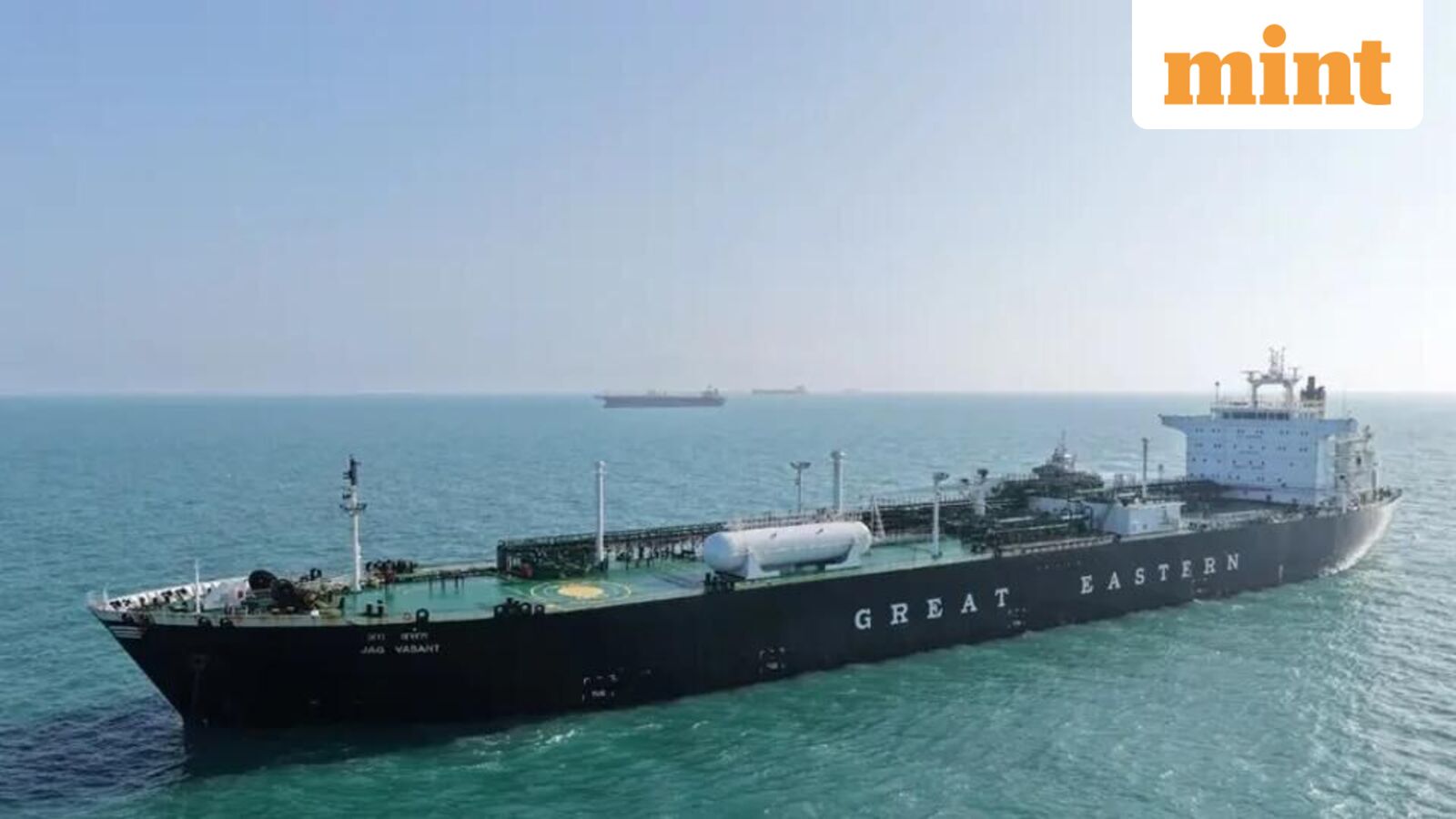
In a positive development amid the tensions, a shipment of 47,000 metric tonnes of liquefied petroleum gas reached the Vadinar Terminal at DPA Kandla in Jamnagar, Gujarat, on Saturday. The vessel, MT Jag Vasant, successfully traversed the Strait of Hormuz and will now transfer its cargo to another ship at anchorage through a ship-to-ship operation.
Sources told ANI that Indian Navy warships were kept on standby to assist merchant vessels if needed, and additional shipments are expected in the coming days. This successful delivery demonstrates India’s ongoing efforts to maintain energy supply chains despite regional instability.
Rajesh Kumar Sinha, Special Secretary in the Ministry of Ports, Shipping and Waterways, provided additional reassurance during a joint inter-ministerial briefing. “In the Gulf region, there has been no information in the last 24 hours regarding any incident involving Indian-flagged ships or Indian seafarers. All are safe,” Sinha confirmed.
As the situation develops, Indian authorities continue to monitor regional tensions closely, implementing contingency plans to safeguard the nation’s energy security interests while maintaining diplomatic efforts to promote stability in this vital region.
Fact Checker
Verify the accuracy of this article using The Disinformation Commission analysis and real-time sources.

12 Comments
Good to see the Indian government swiftly clarifying the country’s oil reserve status. Maintaining adequate fuel supplies is crucial, especially during geopolitical tensions. This transparent communication from officials is reassuring.
Yes, the government’s prompt response helps allay unwarranted public concerns. Having a robust reserve capacity of nearly 60 days’ worth of consumption is quite impressive.
Glad to see the government providing clear and factual information about India’s oil reserves. Maintaining secure energy supplies is crucial, especially during global conflicts. Reliable data from official sources helps allay unwarranted public concerns.
Yes, transparency and communication from the government are important to prevent the spread of misinformation. India’s robust reserve capacity is reassuring news.
It’s good to see the Indian government taking a proactive stance in clarifying the country’s oil reserve situation. Having a robust strategic stockpile is crucial for ensuring fuel security, especially during times of global uncertainty.
Yes, the government’s transparency on this issue is appreciated. Maintaining nearly 60 days’ worth of national consumption in reserves is an impressive feat and helps strengthen India’s energy resilience.
Interesting to learn about India’s current oil reserve situation. It’s prudent for the government to address public concerns and provide accurate, up-to-date information from official sources. This helps promote confidence in the country’s energy security.
Agreed. Dispelling misinformation and communicating the facts is the responsible thing to do. India’s strategic stockpiles seem well-positioned to handle potential supply disruptions.
This is an important clarification from the Indian government. Maintaining strategic oil reserves is a key aspect of national energy security. It’s good to see they have adequate supplies to weather potential supply disruptions.
Absolutely. Ensuring fuel availability for citizens is critical, especially during geopolitical tensions. The government’s proactive response is commendable.
This is an important fact-check from the Indian government. Reliable information on the country’s oil reserves is critical, especially given the ongoing tensions in West Asia. Kudos to the authorities for providing clear and transparent data.
Absolutely. Addressing misinformation and communicating the facts helps promote confidence in India’s energy security. The government’s proactive stance on this issue is commendable.