


Listen to the article
El Paso Water Main Break Caused by Age, Not Cold Weather
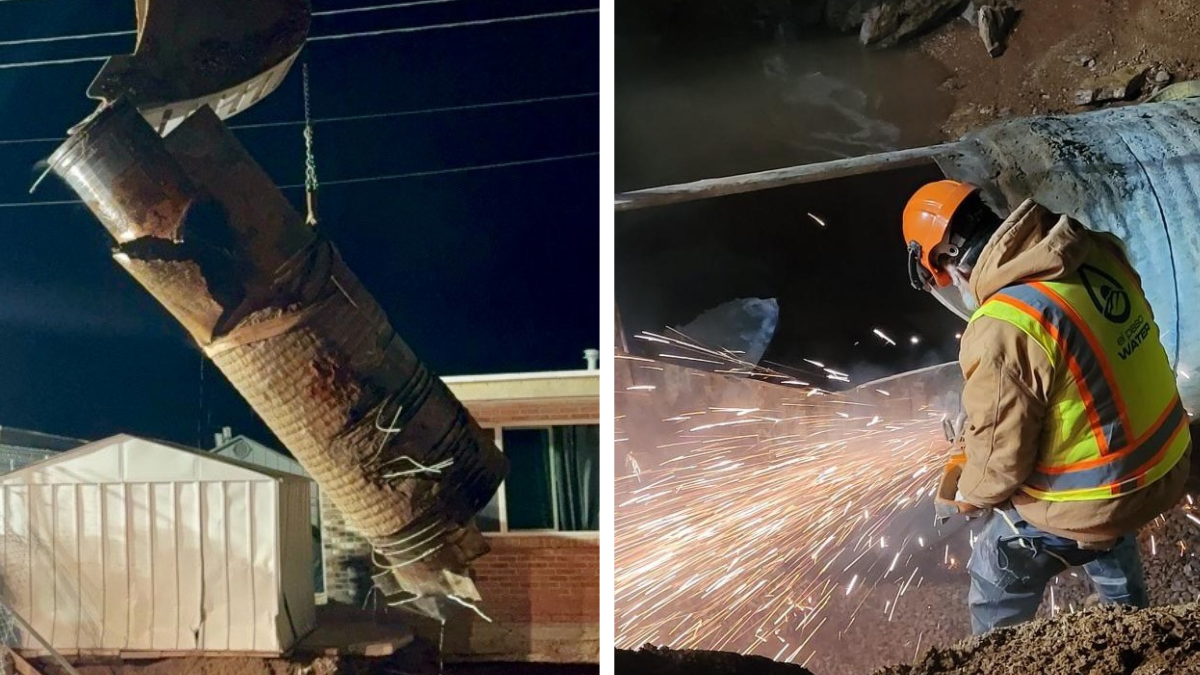
A major water pipeline break that left approximately 38,000 Northeast El Paso residents without water service for four days in January was caused by aging infrastructure, not freezing temperatures as some had speculated, according to El Paso Water officials.
Gilbert Trejo, Vice President of Engineering, Operations and Technical Services at El Paso Water, confirmed the pipeline that ruptured on January 10, 2026, had deteriorated due to age. The affected pipe was more than 50 years old, well beyond the typical 30-year life expectancy for water service lines.
“This was a clear case of infrastructure deterioration consistent with aging,” Trejo explained during a briefing on the incident. Weather data from the National Weather Service showed temperatures hovering around 39 degrees Fahrenheit on the night of the break, significantly above the 32-degree freezing threshold that can cause pipes to rupture.
The pipeline failure created substantial disruption for Northeast El Paso residents. Water service wasn’t fully restored until January 14, and during the outage, affected customers were placed under a precautionary boil water notice. The notice was lifted as service gradually returned to normal.
The El Paso incident highlights a growing infrastructure challenge facing communities across Texas and the United States. According to a 2022 survey conducted by the Texas Rural Water Association, the average installation date for water infrastructure across the state was 1966—meaning many systems are now operating well beyond their engineered lifespans.
The survey, which focused on small to mid-sized rural water systems, revealed that service lines typically last about 30 years before requiring replacement. Many municipalities, including El Paso, are now grappling with how to fund essential upgrades to these aging systems before more failures occur.
Water infrastructure experts point out that postponing replacements often leads to more costly emergency repairs and service disruptions. The American Society of Civil Engineers has consistently rated America’s water infrastructure as near failing, with an estimated $1 trillion needed nationwide for updates and repairs over the next 25 years.
El Paso Water has been gradually implementing a capital improvement program to address its aging infrastructure, but like many utilities, faces budget constraints in accelerating the pace of replacements. The January pipeline break has prompted discussions about potentially expediting projects in areas with the oldest infrastructure.
Local business owners affected by the outage expressed frustration over the economic impact. “We had to close for three days, which meant lost revenue and disappointed customers,” said Maria Gonzalez, who owns a restaurant in Northeast El Paso. “If this is happening because pipes are just too old, it seems like something that could have been prevented.”
City officials noted that water main breaks have increased in frequency over the past decade as more infrastructure reaches the end of its useful life. Last year alone, El Paso Water responded to over 200 water main breaks throughout its service area.
The utility has encouraged residents to report any signs of potential water line issues, including unusually wet areas, sinkholes, or sudden drops in water pressure, to help identify problems before catastrophic failures occur.
As El Paso continues to grow, with new developments expanding particularly in the northeast section of the city, the incident underscores the importance of not just expanding water infrastructure but also maintaining and replacing aging systems in established neighborhoods.
Fact Checker
Verify the accuracy of this article using The Disinformation Commission analysis and real-time sources.

12 Comments
This situation in El Paso underscores the need for comprehensive asset management programs to monitor the condition of critical water infrastructure. Relying on 50-year-old pipes is clearly risky. Proactive planning and investment are crucial to avoid failures like this.
Well said. Maintaining reliable water service should be a top priority for local governments. Investing in infrastructure upgrades is money well spent to avoid disruptive and costly failures.
It’s concerning to hear the affected pipeline was over 50 years old, well past its expected lifespan. Water infrastructure is often overlooked, but this incident shows the need for regular assessments and strategic replacements. Kudos to El Paso Water for their transparency.
The details on the El Paso water main break are a good reminder that even when extreme weather isn’t the culprit, aging infrastructure can still lead to major service disruptions. Utilities need to be proactive about monitoring and upgrading critical pipes and equipment.
While it’s understandable that freezing temperatures were suspected as the cause, I’m glad the investigation found the real issue was simply old infrastructure. This kind of transparency from El Paso Water is important for maintaining public trust. Investing in water systems should be a top priority.
The El Paso water pipeline failure is a sobering example of the infrastructure challenges many cities face. With pipes over 50 years old, it’s no surprise they eventually failed. Glad the utility was able to provide a clear explanation and plans to prevent future issues.
It’s good to see El Paso Water taking responsibility and providing transparency around the root cause of the pipeline break. Aging infrastructure is a widespread challenge that requires ongoing attention and investment from utilities and policymakers.
This El Paso water main break highlights the challenges cities face in managing aging water systems. While freezing temperatures can be a factor, it’s good they were able to determine the root cause was simply old infrastructure. Ongoing investment is crucial for reliable service.
Absolutely. Maintaining and upgrading water infrastructure should be a top priority for local governments. Proactive planning can help avoid disruptive and costly failures down the line.
The El Paso water pipeline incident is a good example of how important it is for municipalities to stay on top of infrastructure maintenance and replacement. Aging pipes can fail unexpectedly, causing major disruptions. Glad they were able to identify the real issue here.
The El Paso water pipeline break is a sobering reminder of the importance of investing in critical infrastructure. Aging pipes and equipment can lead to costly failures that disrupt communities. Proactive planning and maintenance are key to avoiding such issues.
Interesting to see the details on the El Paso water pipeline break. It’s good they were able to identify the root cause as aging infrastructure, not freezing temperatures as initially speculated. Proper maintenance and infrastructure upgrades are crucial for reliable water service.