


Listen to the article
In a bizarre case of misattribution that spread rapidly across social media, a quote supposedly made by Limp Bizkit frontman Fred Durst in 2003 about the Iraq War and predicting conflict with Iran in 2025 has been debunked as false.
The fabricated statement claimed Durst said, “This war on Iraq is bulls. Just watch, in 2025 they’ll try to pull the same s with Iran. They’ll say it’s WMDs or whatever. It’s all lies. It’s all propaganda. Never trust the government.”
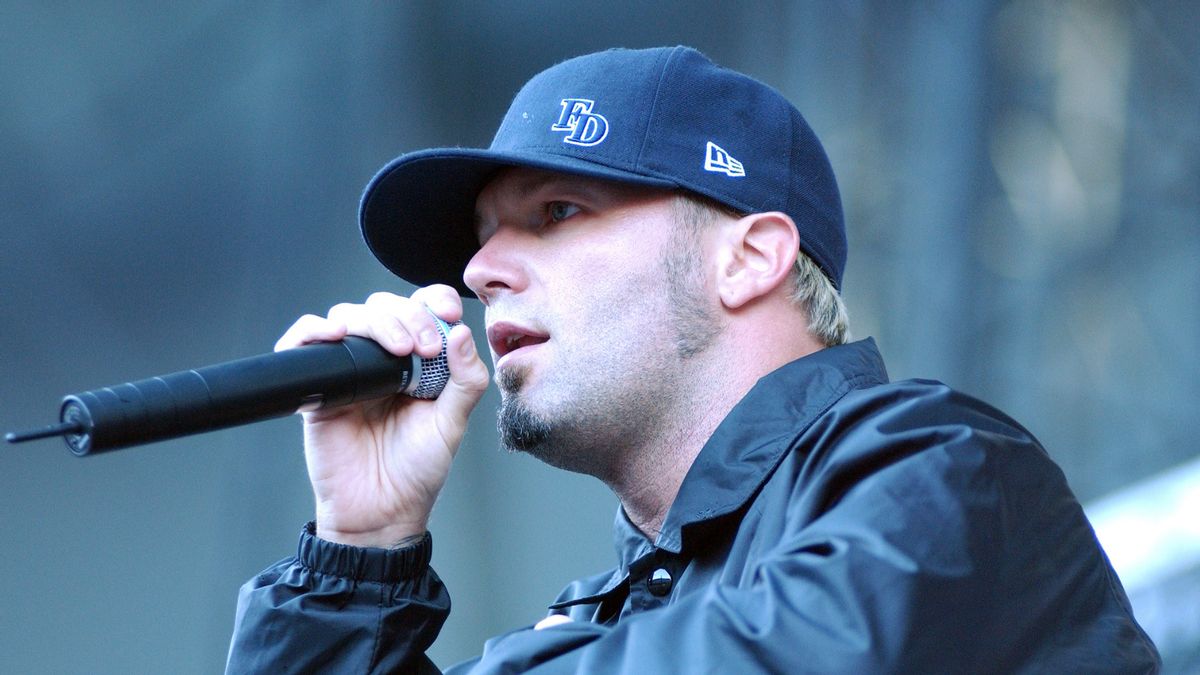
The quote gained significant traction in March 2026 after military actions between the United States, Israel and Iran began in February 2026. Social media users shared the supposed prophetic statement alongside photos of Durst, with captions like “THE PROPHECY HATH BEEN FORETOLD,” suggesting the musician had accurately predicted geopolitical events more than two decades in advance.
The timing of the alleged statement—March 20, 2003—coincided with the official start of the Iraq War, when U.S. forces invaded Iraq and launched attacks on Baghdad. This specificity added a veneer of credibility to the claim.
However, a thorough investigation found no evidence that Durst ever made such remarks. When contacted directly by fact-checkers, Durst himself confirmed he never made the statement attributed to him.
Durst did make public comments about the Iraq War, but they were markedly different from the fabricated quote. During the 45th Grammy Awards on February 23, 2003, while presenting alongside rapper Eve, Durst briefly went off-script, saying, “I just really hope we are in agreeance that this war should go away as soon as possible.”
This actual statement sparked its own minor controversy at the time, with some debating whether “agreeance” was proper English. Spin magazine later noted that Durst’s comment “somehow managed to annoy millions” as people wondered if he was for or against the war.
Just one day after the Iraq War began, on March 21, 2003, Durst wrote a blog post on Limp Bizkit’s official website. Far from condemning the conflict, he expressed support for American troops, writing: “I pray that they stand strong and that their courage won’t let them down. And I pray that they come home safe and celebrate a US victory.”
Durst continued, “We can’t protest any longer. We have to support our country now because we are at the point of no return now. Go USA!! Go freedom for Iraq!!”
These verified statements stand in stark contrast to the fabricated anti-war, anti-government quote that circulated in 2026.
The incident highlights the ongoing challenge of misinformation on social media platforms, where fabricated statements from celebrities can quickly gain credibility and spread widely. The specific mention of “2025” in the fake quote made it particularly compelling when conflicts with Iran actually occurred around that time, creating an illusion of prescience.
This case also demonstrates how statements can be retrofitted to current events to create false narratives around public figures. Musicians and celebrities who made comments about the Iraq War have frequently had their statements misrepresented or fabricated entirely as new conflicts emerge in the Middle East.
Social media platforms continue to struggle with effectively identifying and limiting the spread of such fabricated content, particularly when it aligns with current news events and appears to show remarkable foresight from years earlier.
The Durst misattribution joins a long list of falsely attributed quotes and predictions that gain traction during times of international tension, serving as a reminder for users to verify information before sharing, particularly when it seems too prescient to be coincidental.
Fact Checker
Verify the accuracy of this article using The Disinformation Commission analysis and real-time sources.

7 Comments
I appreciate the diligence of the fact-checkers in debunking this false claim about Fred Durst. It’s a good reminder to always verify information, especially when it seems too incredible to be true. Misinformation can move fast, but the truth will out.
Interesting fact check. It’s wild how quickly misinformation can spread online these days, even about celebrities making predictions. Glad they were able to debunk this false quote attributed to Fred Durst.
So the Fred Durst quote about predicting the Iran conflict was completely fabricated? That’s really disappointing, but not entirely surprising. Misinformation thrives online, and it’s important to call it out whenever possible.
I’m not surprised to see this quote was fabricated. It’s easy for unverified claims to gain traction, especially when they seem to predict real-world events. Fact-checking is so important to separate truth from fiction.
Ah, the power of social media to spread misinformation. I’m glad the fact-checkers were able to debunk this false quote attributed to Fred Durst. It’s a good lesson in the importance of verifying claims, no matter how compelling they may seem.
This is a good example of why we need to be cautious about viral social media claims, even if they seem plausible. Fact-checking takes time, but it’s crucial to prevent the spread of misinformation.
It’s remarkable how a made-up quote can take on a life of its own online. Kudos to the researchers for investigating this thoroughly and setting the record straight. Separating fact from fiction is no easy task these days.