


Listen to the article
Greece Concert Riot Video Falsely Circulated as Iranian Protest Footage
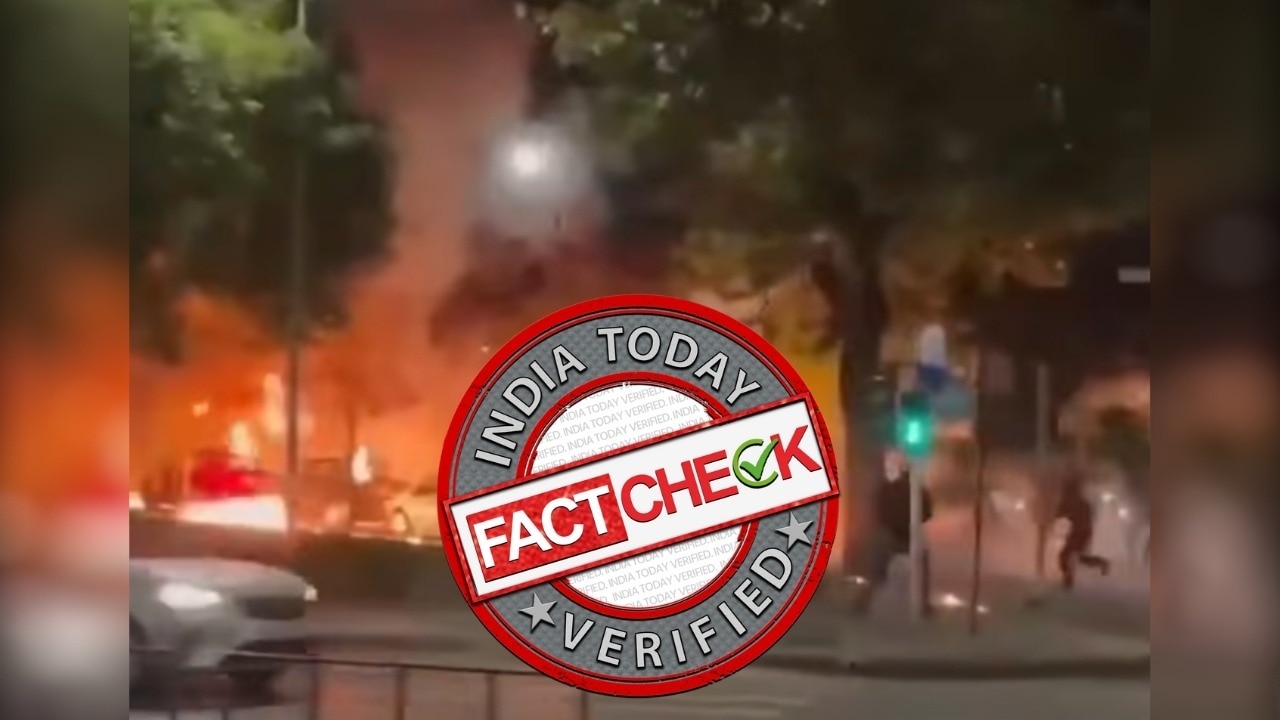
A video purportedly showing violent protests in Iran that has circulated widely on social media has been verified as misleading. The footage, which depicts people throwing Molotov cocktails at vehicles and setting them ablaze, was actually recorded in Greece following a rap concert in November 2025.
The viral clip has been shared alongside claims that it represents widespread revolutionary activity across Iran, where social media posts suggested that as many as 2,000 people have been killed in ongoing unrest. One viral post accompanying the video claimed: “1.5-1.85 million Iranians are in the streets fighting tonight. At this stage the revolution has spread to 512 locations, 180 cities, 31 provinces (All provinces).” The post urged viewers to recognize the events as a “revolution” rather than protests.
However, fact-checking efforts by India Today have conclusively determined the video’s true origin. Through reverse image searches of key frames from the footage, investigators traced the video to a YouTube account that originally posted it on November 2, 2025, with a Greek caption indicating it was filmed in Thessaloniki, Greece.
Further verification from ERT News, a Greek news outlet, confirmed the footage captures the aftermath of a concert by rapper Lex at Kaftatzoglio Stadium on November 1, 2025. According to local reports, approximately 50 people began causing disturbances following the concert, with rioters hurling Molotov cocktails—improvised incendiary weapons made from glass bottles filled with flammable substances like petrol and fitted with wicks.
Greek police responded to the violence by deploying tear gas. Authorities subsequently arrested 18 individuals in connection with the incident. Multiple Greek news sources documented the events, providing consistent accounts that match the visual evidence in the video.
This misattribution of footage highlights a persistent challenge in the digital media landscape, where videos and images from one event are frequently repurposed to support narratives about unrelated situations in different countries. The practice of sharing such misleading content can significantly distort public understanding of global events.
While Iran has indeed experienced periods of civil unrest in recent years, with protests against government policies and economic conditions occurring across the country, the specific claims attached to this video have no basis in fact. The assertion that 1.5-1.85 million Iranians were participating in revolutionary activities across all 31 Iranian provinces is not supported by credible evidence, and the video offered as proof depicts an entirely unrelated incident.
The mischaracterization of the Greek concert riot footage as Iranian revolutionary activity demonstrates the importance of verifying the provenance of dramatic videos before accepting claims about their context. Social media users are increasingly encouraged to exercise caution when encountering emotionally charged content, particularly when it purports to show major political developments or violent confrontations.
Media literacy experts recommend checking multiple reliable news sources to confirm significant international events and being particularly skeptical of dramatic footage that appears exclusively on social media channels without corroboration from established news organizations.
The circulation of this misleading content serves as a reminder that in an era of instant global communication, the verification of visual evidence remains a crucial component of accurate information consumption.
Fact Checker
Verify the accuracy of this article using The Disinformation Commission analysis and real-time sources.

10 Comments
It’s a good reminder that we can’t always trust the context or captions that accompany viral videos. Thorough investigation into the source and details is required to separate fact from fiction.
Absolutely. Fact-checkers play a critical role in cutting through the noise and misinformation that can spread rapidly on social media platforms.
This report highlights the need for increased media literacy and critical thinking when consuming news and social media content. Verifying sources and details is crucial to avoid falling for misinformation.
Well said. We all have a responsibility to be discerning consumers of information and not simply accept claims at face value, especially when they involve politically charged topics.
Glad to see this misleading video footage was properly debunked. It’s important we remain vigilant against the spread of disinformation, especially around sensitive political topics.
Agreed. Rigorous fact-checking is essential to maintain public trust and ensure the accuracy of information circulating online.
This highlights the need for caution when consuming social media content, even if it aligns with our preconceptions. Fact-checking efforts are vital to maintain the integrity of information shared online.
Well said. We should all be more discerning consumers of online media and not blindly trust viral claims without proper verification.
Interesting fact check. It’s important to verify the origins of viral videos, especially when they’re being used to make claims about political unrest. I appreciate the thorough investigation into the true source of this footage.
You’re right, verifying video sources is crucial to avoid spreading misinformation. It’s concerning how quickly unverified footage can spread online and be misconstrued.