


Listen to the article
False Claims About Chelsea Clinton’s Health Spread Through Social Media
Rumors circulating online since late March that Chelsea Clinton has “tested positive” for an unspecified illness have been determined to be entirely fabricated, according to an investigation into the claims.
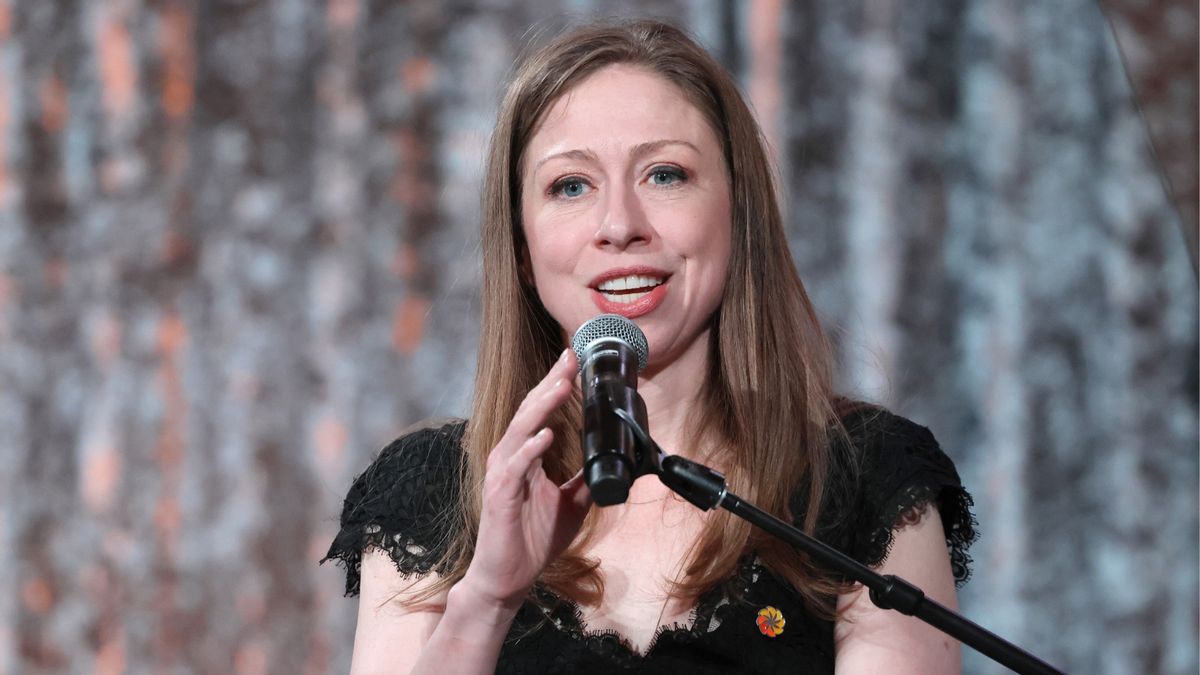
The false information began appearing on social media platforms including Facebook and Threads, with posts dating back as far as December 2025. The misleading posts typically featured an image of Clinton, daughter of former U.S. President Bill Clinton and former Secretary of State Hillary Clinton, alongside vague text claiming she had “tested positive” without providing specific details about any medical condition.
When researchers conducted comprehensive searches across major search engines including Google, Bing, Yahoo, and DuckDuckGo, they found no credible news sources reporting any recent health issues affecting Chelsea Clinton. If such news were legitimate, it would have been widely reported by established news outlets such as The Associated Press or Reuters.
The only verifiable reporting about Clinton’s health found in mainstream media dates back to 1998, when the Los Angeles Times published an article about an 18-year-old Clinton being briefly hospitalized for influenza. Additionally, Clinton has been public about following a gluten-free diet, which some reports have linked to celiac disease, a condition causing negative reactions to gluten. NBC’s “Today” program reported on Clinton’s gluten-free wedding cake in 2010.
Analysis of the false social media claims revealed they originated from blog pages utilizing artificial intelligence tools to generate fabricated stories about public figures. These posts often included links in comment sections directing users to WordPress blogs containing what experts identified as AI-generated content about Clinton allegedly speaking about “burnout” and “exhaustion.”
When this content was analyzed using ZeroGPT, a tool designed to detect AI-generated text, it determined with 93.5% certainty that the article text was artificially generated. Telltale signs included vague attribution of information sources and emotionally charged, hyperbolic language such as “Chelsea Clinton’s voice didn’t shake—but the room did.”
Media literacy experts note that creators of such content typically profit from advertising revenue generated when social media users click through to external websites. This represents a growing trend of misinformation that capitalizes on users’ willingness to believe and share sensationalized stories about public figures without verification.
Clinton was contacted for comment regarding the false claims, though no response had been received at the time of publication.
This case represents part of a broader pattern of AI-generated misinformation targeting public figures. Earlier in March, fact-checkers debunked a similar false story claiming FBI Director Kash Patel admitted to being instructed to “bury” an investigation into convicted sex offender Jeffrey Epstein.
Digital media analysts warn that as AI technology advances, distinguishing between authentic and fabricated news will require increased vigilance from both platforms and users. They recommend verifying information through multiple credible sources before sharing content, particularly when claims appear sensational or lack specific details.
The incident highlights ongoing challenges in combating digital misinformation and the importance of critical media consumption in an era where AI-generated content can be nearly indistinguishable from human-written articles.
Fact Checker
Verify the accuracy of this article using The Disinformation Commission analysis and real-time sources.

8 Comments
This story highlights the need for heightened media literacy and critical thinking when consuming online content. Fact-checking and verifying claims, especially about public figures, is essential.
Agreed. In today’s information landscape, it’s crucial to be discerning and not just accept everything we see on social media or the internet at face value.
It’s good to see this fact check addressing the false claims about Chelsea Clinton’s health. Spreading unverified information, especially about someone’s personal medical status, can be harmful and should be avoided.
I appreciate the thorough investigation into these false claims about Chelsea Clinton’s health. It’s heartening to see responsible journalism working to debunk misinformation and provide the facts.
This is a good example of how online rumors can quickly gain traction, even without any factual basis. It’s a good reminder to be cautious about unsubstantiated claims, especially when they involve public figures’ personal lives.
Agreed. In this digital age, it’s so important to fact-check and verify information before sharing or believing it. Jumping to conclusions based on social media posts can lead to the spread of misinformation.
Glad to see the facts being checked on this rumor. It’s important not to spread unverified claims, especially about public figures’ health. Mainstream media outlets would surely report any legitimate news on Chelsea Clinton’s condition.
Absolutely. Rumors and misinformation can spread like wildfire on social media, so it’s critical to rely on credible, established news sources for accurate information.