


Listen to the article
Fact Check: Pope Leo XIV’s Alleged Comments on Trump Proven False
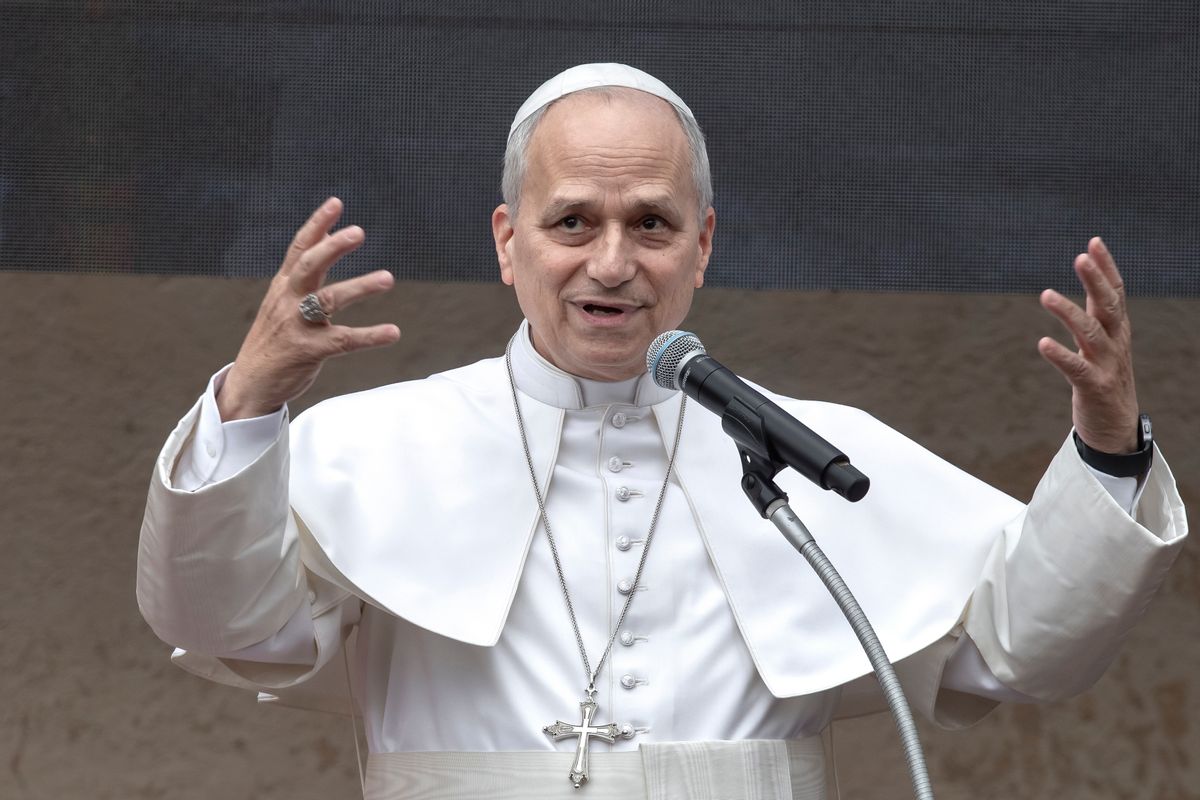
A recent claim circulating on social media suggests that Pope Leo XIV made critical remarks about U.S. President Donald Trump, warning against letting “power turn leaders into kings.” This claim, which spread primarily on Facebook in March 2026, has been determined to be entirely fabricated.
The viral post featured a quote allegedly from Pope Leo XIV stating, “Do not let power turn leaders into kings — a strong democracy needs truth, accountability, and people who dare to put the public first.” The post’s caption claimed the pontiff had “set the Internet on fire” and that “Washington is shaking” after he supposedly called Trump “a self-serving showman.”
Further alleged statements attributed to the pope included, “We don’t need kings. We need leaders who care about the truth and the people they serve — as well as the future of this planet.”
An investigation into these claims found no credible news sources reporting such comments from the Vatican. If the pope had made such politically charged statements about a U.S. president, it would have been widely covered by reputable news organizations like The Associated Press or Reuters. No such coverage exists.
The fabricated quote originated from a Facebook group called “Guided By Grace” and its associated blog. Analysis of both the social media post and accompanying article revealed telltale signs of artificial intelligence generation. The content lacked specific details that would be present in authentic reporting, contained unusual character substitutions, and featured strange punctuation.
When analyzed through GPTZero, a tool designed to detect AI-generated content, the article was determined with 100% certainty to be AI-generated. The Facebook post’s caption was flagged as potentially written by a human but “polished by AI.”
This is not an isolated incident. The same Facebook group has a history of publishing dubious content, with many posts featuring AI-generated images. The group’s header image itself was identified by Sightengine, an AI-detection software, as almost certainly created using generative AI technology.
The strategy employed by creators of such content is a known problem on social media platforms. By fabricating sensational quotes and attributing them to prominent figures, these pages drive engagement and traffic to external websites where they can generate advertising revenue. Similar tactics were used in September 2025 when two separate false quotes attributed to Pope Leo XIV about Trump circulated online.
This pattern of misinformation highlights the growing challenge of distinguishing authentic news from fabricated content in the digital age. Social media users are particularly vulnerable to such deception when content aligns with their existing beliefs or triggers emotional responses.
Fact-checkers recommend that before sharing such content, users should verify information through multiple credible sources, be skeptical of sensational claims without specific details, and be wary of posts that seem designed primarily to provoke strong emotional reactions.
The Vatican has not commented specifically on this fabricated quote, as is typical with the multitude of false claims that circulate about papal statements. However, legitimate papal communications are consistently documented through official Vatican channels and reported by established international news organizations.
As election-related misinformation continues to proliferate online, this incident serves as a reminder of the importance of media literacy and critical evaluation of sources in maintaining an informed electorate.
Fact Checker
Verify the accuracy of this article using The Disinformation Commission analysis and real-time sources.

10 Comments
This seems like a clear case of fabricated quotes attributed to the Pope. The Vatican would have widely publicized such politically charged statements about a sitting US president. Fact-checking is so important to counter the spread of misinformation online.
I agree, the lack of coverage from reputable news sources is a red flag. It’s disappointing to see false quotes being used to sway public opinion on political matters.
It’s important that we remain vigilant against the spread of misinformation, even when it involves figures of authority. I commend the efforts to thoroughly investigate the authenticity of this alleged Pope quote about President Trump.
Agreed. Fact-checking is a critical part of maintaining a well-informed public. It’s disappointing to see fabricated quotes being used to influence political narratives.
I’m glad this alleged quote has been debunked. While the Pope may have views on political leaders, spreading unverified quotes serves to mislead the public. Fact-checking is crucial to maintain trust in institutions and the democratic process.
Well said. We should be wary of any sensational claims, especially those involving high-profile figures, unless they are backed by credible evidence from reliable sources.
The lack of coverage from reputable news outlets on these alleged Pope comments is a clear indication that they are fabricated. We must be diligent in scrutinizing claims, especially those that seem designed to sway political opinions.
Well said. Fact-checking is a vital safeguard against the spread of misinformation, which can have serious consequences for public understanding and trust in institutions.
This is a good reminder to always verify the source and context of any high-profile quote before sharing or believing it. Fact-checking is essential to combat the proliferation of misinformation, especially around sensitive political topics.
Absolutely. In today’s digital age, it’s crucial that we approach information with a critical eye and seek out authoritative sources before drawing conclusions. Fact-checking helps preserve the integrity of public discourse.