


Listen to the article
In a stark reversal from previous years, illegal border crossings have plummeted under the Trump administration, though recent presidential claims of eliminating unauthorized entry entirely do not align with official data.
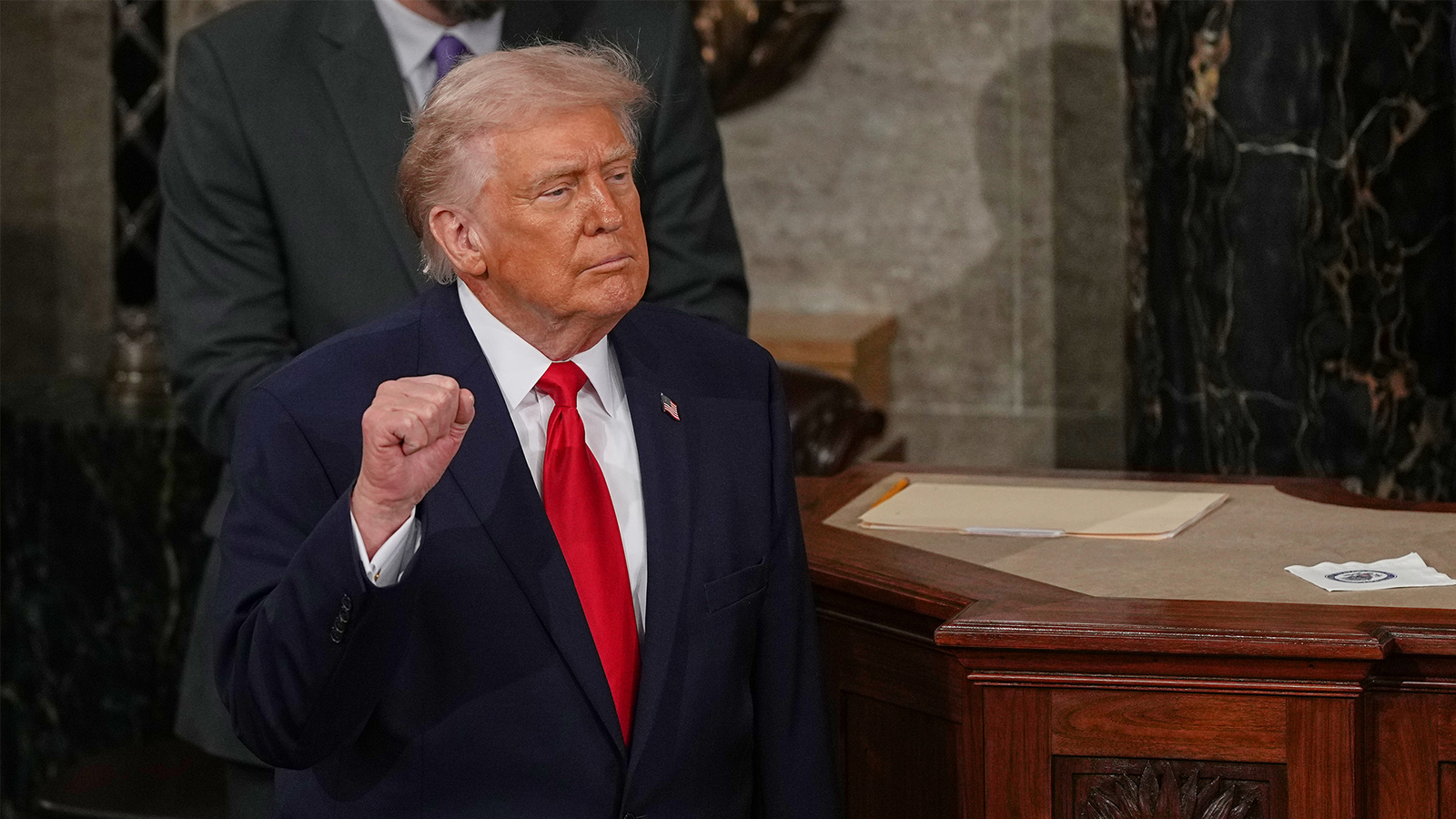
“In the past nine months, zero illegal aliens have been admitted to the United States,” President Trump stated recently, highlighting his administration’s aggressive approach to border security.
However, Customs and Border Protection (CBP) statistics tell a more nuanced story. While illegal crossings have indeed decreased dramatically, they have not reached zero as claimed. Official data shows that border agents continue to record encounters with migrants attempting unauthorized entry, albeit at significantly reduced levels compared to previous years.
The transformation at the southern border represents one of the most dramatic policy shifts between the Biden and Trump administrations. In 2024, during Biden’s final full year in office, CBP recorded over 1.5 million migrant encounters along the southern border. By comparison, 2025—Trump’s first full year back in office—saw that number plunge to just under 28,000, marking a reduction of approximately 98 percent.
This steep decline follows the implementation of several restrictive policy measures enacted through executive authority shortly after Trump returned to the White House. The administration has employed a multi-faceted approach that includes tightened asylum requirements, rapid deportations, and increased barriers to legal entry for those crossing the border without authorization.
Border security experts note that while the reduction is remarkable, the claim of zero crossings is impossible to verify. Adam Isacson, director of defense oversight at the Washington Office on Latin America, explains, “Even with the most sophisticated surveillance technology and personnel, there will always be some individuals who manage to cross undetected. The nature of border security makes absolute prevention unachievable.”
The dramatic reduction in border crossings has had significant economic and humanitarian implications across the region. Mexican border cities have reported decreased migrant populations in shelters, while Central American countries have seen changes in migration patterns as word spreads about tougher U.S. enforcement.
For border communities in states like Texas and Arizona, the change has been palpable. Local officials report reduced strain on public services that were previously overwhelmed during the migration surge, though some businesses that catered to migrant populations have experienced declining revenues.
The current numbers reflect a return to historical patterns more typical of the early 2010s, before the significant increases seen in recent years. Immigration policy analysts point out that multiple factors beyond U.S. policy could be contributing to the decline, including shifting economic conditions in origin countries and changing regional migration routes.
Critics of the administration argue that while border crossings have decreased, humanitarian concerns remain about the treatment of asylum seekers and the effectiveness of deterrence-based approaches. Rights organizations continue to monitor the implications of these policies for those fleeing persecution and violence.
The administration’s border strategy has received strong support from congressional Republicans and conservative voters who prioritized immigration enforcement during the election cycle. Meanwhile, Democratic lawmakers have expressed concerns about access to asylum processes and international obligations toward refugees.
As 2026 progresses, the downward trend in border crossings has continued, though CBP data confirms that the number has never reached zero. Security experts emphasize that complete elimination of unauthorized crossings remains statistically impossible given the extensive 1,954-mile border with Mexico.
The administration’s claim of zero illegal entries appears to be political hyperbole rather than statistical reality—though the dramatic reduction represents one of the most significant immigration policy outcomes in recent U.S. history.
Fact Checker
Verify the accuracy of this article using The Disinformation Commission analysis and real-time sources.

8 Comments
The statistics on the plunge in migrant encounters under Trump are quite striking. However, the ‘zero illegal aliens’ claim seems like an exaggeration not fully supported by the data presented. Nuance is important when discussing such a complex issue.
The border security policy shifts between administrations are quite dramatic. While illegal crossings have decreased significantly, I’m curious to know more about the human impacts and how both parties aim to balance enforcement with compassion.
A fair point. Balancing border security and humanitarian concerns is a delicate challenge. I hope policymakers on both sides can find pragmatic solutions that uphold the law while respecting the dignity of migrants.
Interesting to see the stark contrast in border crossing numbers between the Trump and Biden administrations. The data suggests the Trump approach was more effective at deterring illegal immigration, though the ‘zero illegal aliens’ claim seems hyperbolic.
Agreed, the numbers tell a more nuanced story than the blanket ‘zero’ claim. It will be interesting to see how the Biden administration responds to maintain secure borders while upholding humanitarian principles.
The data on the reduction in migrant encounters is certainly compelling, but the ‘zero illegal aliens’ claim seems like political rhetoric rather than a precise representation of the situation. I’d be curious to see more analysis from independent sources.
This is a complex and politically charged topic. While the numbers show a dramatic decrease in illegal border crossings under Trump, I’m hesitant to fully endorse the ‘zero illegal aliens’ claim without seeing more complete data and context.
Agreed, it’s important to be cautious about overstating the facts, especially on such a contentious issue. A balanced, fact-based approach is needed to have a productive dialogue and find effective solutions.