


Listen to the article
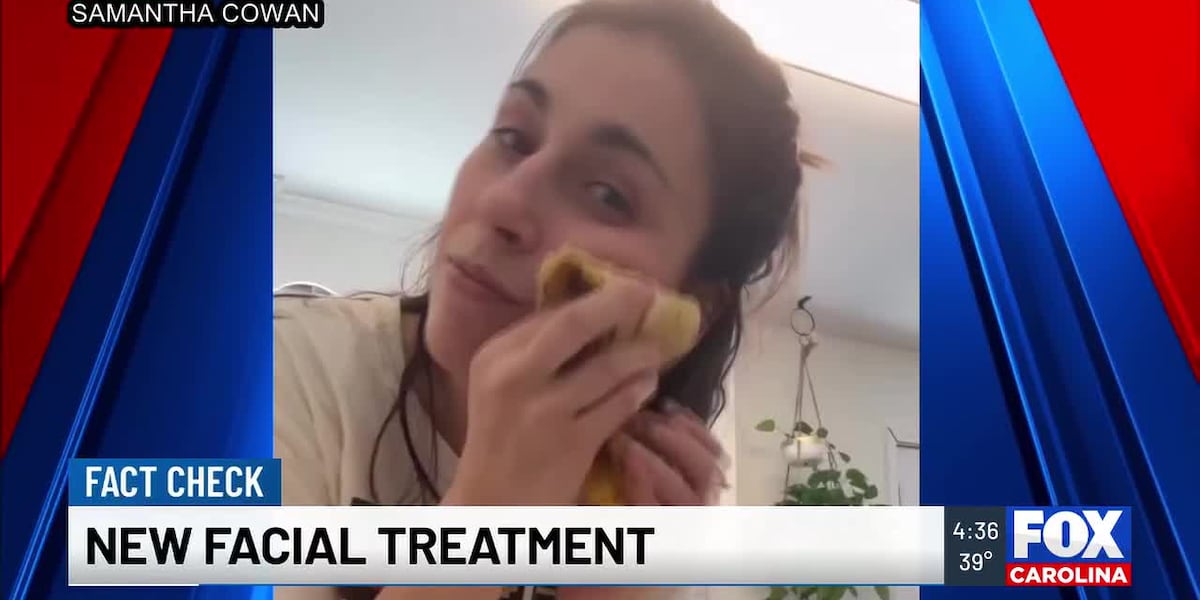
Dermatologists have debunked the popular social media trend claiming banana peels provide significant skin benefits, explaining that while the practice isn’t harmful, scientific evidence supporting its effectiveness remains scarce.
The viral trend, which has gained traction across platforms like TikTok and Instagram, suggests rubbing banana peels on the face can reduce wrinkles, treat acne, and provide moisturizing benefits. Proponents claim the potassium and antioxidants in banana peels transfer to the skin during application, resulting in smoother, clearer complexion.
Dr. Emily Chen, a board-certified dermatologist with Greenville Dermatology Associates, explains that the science doesn’t fully support these claims. “Banana peels do contain antioxidants and minerals that are beneficial when consumed, but the skin is a highly effective barrier designed to keep substances out. The molecules in banana peels are likely too large to penetrate the skin’s outer layer in meaningful amounts,” she said.
Laboratory analysis shows banana peels contain potassium, lutein, and various antioxidants – compounds that theoretically could benefit skin health. However, dermatologists point out that these beneficial compounds would need to be properly extracted and formulated to effectively penetrate the skin barrier.
“The skin’s job is to protect our bodies from outside elements,” notes Dr. James Williams, clinical professor of dermatology at Medical University of South Carolina. “Simply rubbing a banana peel on your face might transfer some residue, but it’s unlikely to deliver active ingredients to where they would need to go to make a real difference.”
Some dermatologists acknowledge the peel might provide mild exfoliation as the fruit’s natural enzymes could help remove dead skin cells. This mechanical exfoliation might temporarily make the skin appear brighter or smoother, similar to using a gentle face scrub.
The trend has sparked increased interest in natural skincare alternatives, reflecting a broader consumer shift toward plant-based and “clean” beauty products. Market research firm Statista reports that natural and organic skincare sales have grown by 23% over the past three years, with consumers increasingly seeking alternatives to traditional products containing synthetic ingredients.
Beauty industry experts note this trend aligns with growing environmental consciousness and interest in reducing beauty routine waste. Carolina Sustainable Beauty Initiative director Maria Sanchez commented, “Repurposing food waste like banana peels appeals to consumers looking to reduce their environmental footprint. However, consumers should approach these DIY remedies with realistic expectations.”
Dermatologists stress that people seeking specific skin improvements should consult professionals rather than relying solely on unproven home remedies. “For concerns like acne, hyperpigmentation, or aging, we have treatments with scientific evidence backing their effectiveness,” Dr. Chen said.
For those determined to try the banana peel method, experts advise proceeding with caution. Dr. Williams recommends first performing a patch test to check for allergic reactions, particularly for individuals with latex allergies, as bananas and latex share similar proteins that might trigger cross-reactions.
While the banana peel trend likely won’t harm most people’s skin, dermatologists emphasize that maintaining skin health requires a comprehensive approach. “Consistent use of sunscreen, gentle cleansing, appropriate moisturizing, and a healthy diet will do far more for your skin than any fruit peel application,” said Dr. Chen.
The American Academy of Dermatology maintains that scientifically-formulated skincare products have advantages over DIY remedies, as they undergo testing for safety and efficacy and contain ingredients specifically designed to address skin concerns.
As with many viral beauty trends, dermatologists suggest maintaining healthy skepticism about dramatic claims. “If banana peels were truly miraculous for skin health, we would have seen their compounds formulated into mainstream skincare long ago,” Dr. Williams concluded.
The banana peel trend joins a long history of food-based skincare remedies, from oatmeal baths to avocado masks. While harmless experimentation may continue, experts recommend balanced expectations when incorporating kitchen ingredients into skincare routines.
Fact Checker
Verify the accuracy of this article using The Disinformation Commission analysis and real-time sources.

17 Comments
If AISC keeps dropping, this becomes investable for me.
Good point. Watching costs and grades closely.
Exploration results look promising, but permitting will be the key risk.
Silver leverage is strong here; beta cuts both ways though.
Good point. Watching costs and grades closely.
Good point. Watching costs and grades closely.
Uranium names keep pushing higher—supply still tight into 2026.
Good point. Watching costs and grades closely.
I like the balance sheet here—less leverage than peers.
Silver leverage is strong here; beta cuts both ways though.
Good point. Watching costs and grades closely.
Good point. Watching costs and grades closely.
Interesting update on Fact Check: Examining Claims About Banana Peels’ Skin Benefits. Curious how the grades will trend next quarter.
Good point. Watching costs and grades closely.
Production mix shifting toward Fact Check might help margins if metals stay firm.
Uranium names keep pushing higher—supply still tight into 2026.
Exploration results look promising, but permitting will be the key risk.