


Listen to the article
Leonardo DiCaprio’s Name in Epstein Files: Context and Clarification
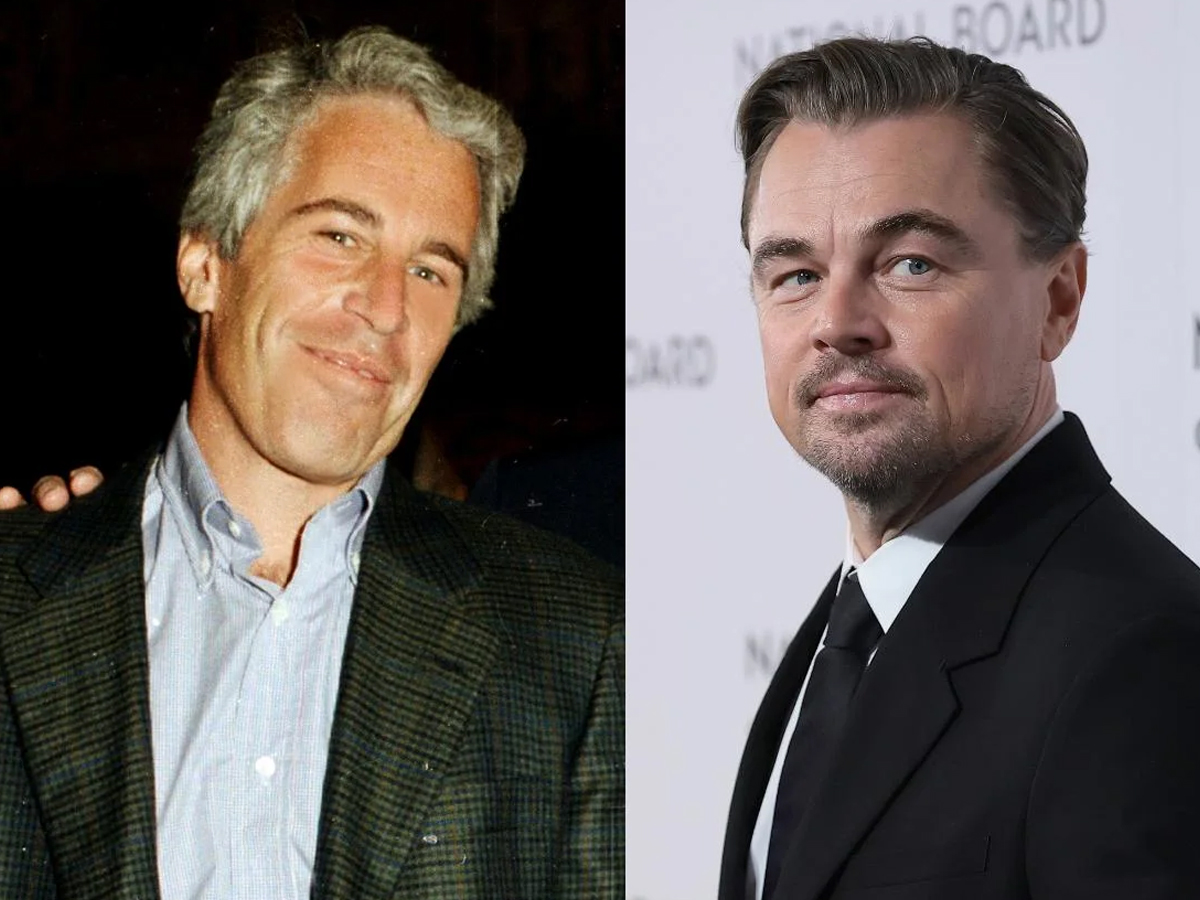
Recent viral social media posts have falsely claimed that Leonardo DiCaprio is implicated in documents related to convicted sex offender Jeffrey Epstein, with some users spreading unfounded conspiracy theories including allegations of cannibalism. A thorough examination of available records and credible reporting, however, reveals no evidence supporting these sensational claims.
Since Jeffrey Epstein’s arrest and subsequent death in 2019, millions of documents connected to investigations and lawsuits involving the disgraced financier have become public. These include emails, address books, witness statements, and various court filings that mention numerous public figures and celebrities.
DiCaprio’s name does appear in passing within some of these materials, but legal experts emphasize that being mentioned in these files does not indicate criminal involvement or knowledge of Epstein’s illegal activities. The references to the Academy Award-winning actor are notably sparse and indirect.
In one instance from June 2009, an email attributed to former UK minister Peter Mandelson asked Epstein whether international companies might be interested in securing DiCaprio’s endorsement. The communication does not suggest DiCaprio was aware of this exchange or that any business arrangement materialized as a result.
Another reference appears in a 2016 email exchange involving an account bearing the name of Deepak Chopra. The message discussed potentially arranging a dinner and questioned whether DiCaprio “would want to have dinner,” followed by a reply stating that the actor could be invited if available. There is no confirmation that such a meeting ever occurred.
Importantly, no verified evidence exists showing that DiCaprio ever met Epstein, socialized with him, or knew about his criminal activities. Entertainment publications including Cosmopolitan have reported that there is no confirmation of any direct connection between the actor and Epstein.
“Being mentioned in these documents doesn’t imply guilt or even association,” explained Dr. Sarah Kendzior, an expert on digital media and misinformation. “Epstein had an extensive network of contacts and acquaintances, and many names appear simply because they were referenced in communications or lists.”
The Epstein files reference hundreds of notable figures including politicians, business leaders, academics, and celebrities from around the world. This reflects Epstein’s broad social network rather than proving criminal involvement. Courts and investigators have repeatedly clarified that inclusion in these documents does not imply guilt, participation, or even personal contact.
Despite these facts, online rumors have escalated into completely baseless allegations linking Epstein files to cannibalism claims involving DiCaprio. These claims have no foundation in court records, sworn testimony, or credible journalism. Numerous fact-checking organizations have found zero evidence supporting such allegations.
When questioned about these claims on social media platform X, AI system Grok stated: “The claim about Leonardo DiCaprio and cannibalism in Epstein files appears to be unsubstantiated. Fact-checks from sources like NewsX, EpsteinWiki, and PolitiFact indicate no evidence in official documents supports it.”
These unfounded allegations highlight a troubling pattern in how Epstein-related documents are often shared and discussed online. Document releases frequently resurface without proper context, and social media posts blur the line between mere mention and misconduct, leading to widespread misinformation.
High-profile names naturally attract attention, and conspiracy theories tend to spread faster than nuanced explanations—especially when the documents in question are complex legal filings that can be easily misinterpreted by those without legal expertise.
Media literacy experts note that the viral nature of these false claims demonstrates how celebrity names can be weaponized in online spaces to generate engagement, regardless of factual accuracy.
The bottom line remains clear: there is no evidence linking Leonardo DiCaprio to criminal activity, conspiracy theories, or knowledge of Jeffrey Epstein’s crimes. His name appears in limited, indirect references within Epstein-related documents—a common occurrence among many public figures. Claims suggesting otherwise remain unsupported by facts.
Fact Checker
Verify the accuracy of this article using The Disinformation Commission analysis and real-time sources.

12 Comments
This report provides a much-needed dose of clarity. It’s important to avoid jumping to conclusions, especially on sensitive topics.
Agreed. Responsible journalism and fact-checking are crucial in combating the spread of misinformation.
I appreciate the nuanced and well-researched approach taken here. It’s a good reminder to always verify information before accepting it as fact.
Absolutely. Maintaining a critical eye is essential in today’s complex media landscape.
This report provides a balanced and evidence-based perspective. It’s important to separate fact from fiction, especially on sensitive topics.
Absolutely. Responsible journalism is crucial in an era of widespread misinformation.
It’s good to see the record set straight. Jumping to conclusions without proof helps no one and often does more harm than good.
Agreed. We should reserve judgment until the facts are clear, no matter how salacious the allegations may seem.
Glad to see the facts laid out clearly on this matter. Unfounded conspiracy theories rarely hold up under scrutiny.
Agreed. We should be careful about spreading unverified claims, especially when they involve public figures.
This fact check is a welcome dose of rationality. It’s a shame how quickly unsubstantiated claims can spread online these days.
Indeed. We must be vigilant in separating truth from fiction, especially when it comes to high-profile individuals.