


Listen to the article
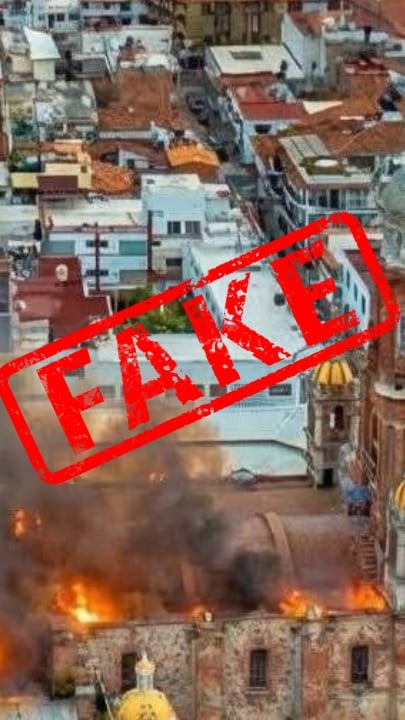
A false image circulating on social media platforms has sparked concern among tourists planning vacations to Puerto Vallarta, one of Mexico’s premier beach destinations. The manipulated photograph, which depicts severe coastal flooding that never occurred, has prompted tourism officials and local authorities to issue official statements addressing the misinformation.
The doctored image, which began spreading last week, shows what appears to be catastrophic flooding along Puerto Vallarta’s iconic Malecón boardwalk, with water levels rising dramatically and submerging parts of the coastal area. The photo has been digitally altered from an original image taken during normal tide conditions.
Óscar Pérez Flores, Director of Puerto Vallarta’s Tourism Board, confirmed yesterday that the image is “completely fabricated” and does not represent current or past conditions in the popular resort city. “Puerto Vallarta remains safe and fully operational. Our beaches, hotels, and tourist attractions are welcoming visitors as normal,” Pérez Flores stated during a press conference.
Tourism represents approximately 80% of Puerto Vallarta’s economy, with the destination welcoming over 4 million visitors annually. False information about safety or environmental conditions can have significant economic implications for the region, which relies heavily on international travelers, particularly from the United States and Canada.
Meteorological records from Mexico’s National Water Commission (CONAGUA) show no unusual flooding events in Puerto Vallarta during the timeframe suggested in the social media posts. The city’s advanced drainage system, upgraded following Hurricane Kenna in 2002, has significantly improved flood management in the coastal areas.
Social media analysts have traced the manipulated image to several accounts with histories of sharing misinformation about Mexican tourist destinations. This incident highlights growing concerns about the impact of false information on tourism-dependent economies. According to research from the World Travel & Tourism Council, misinformation can reduce tourism revenues by up to 15% in affected destinations.
“What we’re seeing is part of a disturbing trend of digital manipulation targeting tourism destinations,” explained Dr. Elena Montero, a digital media specialist at Universidad de Guadalajara. “Whether politically motivated or simply designed to generate engagement through sensationalism, these fabricated images can cause real economic harm.”
Local business owners in Puerto Vallarta have reported receiving cancellation inquiries from concerned travelers who encountered the false image. Manuel Gutiérrez, who operates a beachfront restaurant on the Malecón, said: “We’ve had at least a dozen calls from worried customers asking if we’re underwater. We have to reassure them that everything is normal here.”
The Puerto Vallarta Hotel Association, representing over 90 properties in the region, has launched a social media campaign sharing current, authentic photos of the city’s beaches and tourist areas to counter the misinformation. The campaign, using the hashtag #RealPuertoVallarta, has gained significant traction as hotels and local businesses contribute their own recent images.
Mexican tourism authorities have faced similar challenges in other destinations, including Cancún and Los Cabos, where manipulated images or outdated photos have been shared during natural events like tropical storms or seaweed blooms. The federal Secretary of Tourism has established a rapid response team specifically to address tourism-related misinformation.
Digital verification experts recommend that travelers consult official tourism websites, meteorological services, or reputable news sources before changing travel plans based on social media content. Most legitimate weather events or safety concerns will be reported by established media organizations and government agencies.
Meanwhile, current weather conditions in Puerto Vallarta remain favorable, with forecasts showing typical seasonal patterns for January. The city is currently in its high season, which runs from November through April, characterized by sunny days and minimal rainfall.
Tourism officials encourage visitors with concerns to contact their hotels directly or reach out to the official Puerto Vallarta Tourism Board for accurate, up-to-date information about conditions in the destination.
Fact Checker
Verify the accuracy of this article using The Disinformation Commission analysis and real-time sources.

30 Comments
Interesting update on Fact Check: Doctored Photo of Puerto Vallarta Circulating Online – CBC. Curious how the grades will trend next quarter.
Exploration results look promising, but permitting will be the key risk.
Exploration results look promising, but permitting will be the key risk.
Nice to see insider buying—usually a good signal in this space.
Good point. Watching costs and grades closely.
Good point. Watching costs and grades closely.
Interesting update on Fact Check: Doctored Photo of Puerto Vallarta Circulating Online – CBC. Curious how the grades will trend next quarter.
Good point. Watching costs and grades closely.
If AISC keeps dropping, this becomes investable for me.
Good point. Watching costs and grades closely.
Production mix shifting toward Fact Check might help margins if metals stay firm.
I like the balance sheet here—less leverage than peers.
Good point. Watching costs and grades closely.
Good point. Watching costs and grades closely.
I like the balance sheet here—less leverage than peers.
Nice to see insider buying—usually a good signal in this space.
Good point. Watching costs and grades closely.
Good point. Watching costs and grades closely.
I like the balance sheet here—less leverage than peers.
Good point. Watching costs and grades closely.
Good point. Watching costs and grades closely.
Production mix shifting toward Fact Check might help margins if metals stay firm.
Good point. Watching costs and grades closely.
Good point. Watching costs and grades closely.
Silver leverage is strong here; beta cuts both ways though.
Good point. Watching costs and grades closely.
I like the balance sheet here—less leverage than peers.
If AISC keeps dropping, this becomes investable for me.
Good point. Watching costs and grades closely.
Good point. Watching costs and grades closely.