


Listen to the article
False Claims Circulate About Steven Tyler’s Hurricane Relief Efforts in Jamaica
Social media platforms have been flooded with claims that Aerosmith frontman Steven Tyler organized an emergency relief operation in Jamaica following Hurricane Melissa. According to these viral posts, the rock star personally sent helicopters loaded with aid supplies to the island and even participated in distribution efforts. However, a thorough investigation reveals these heartwarming stories are entirely fabricated.
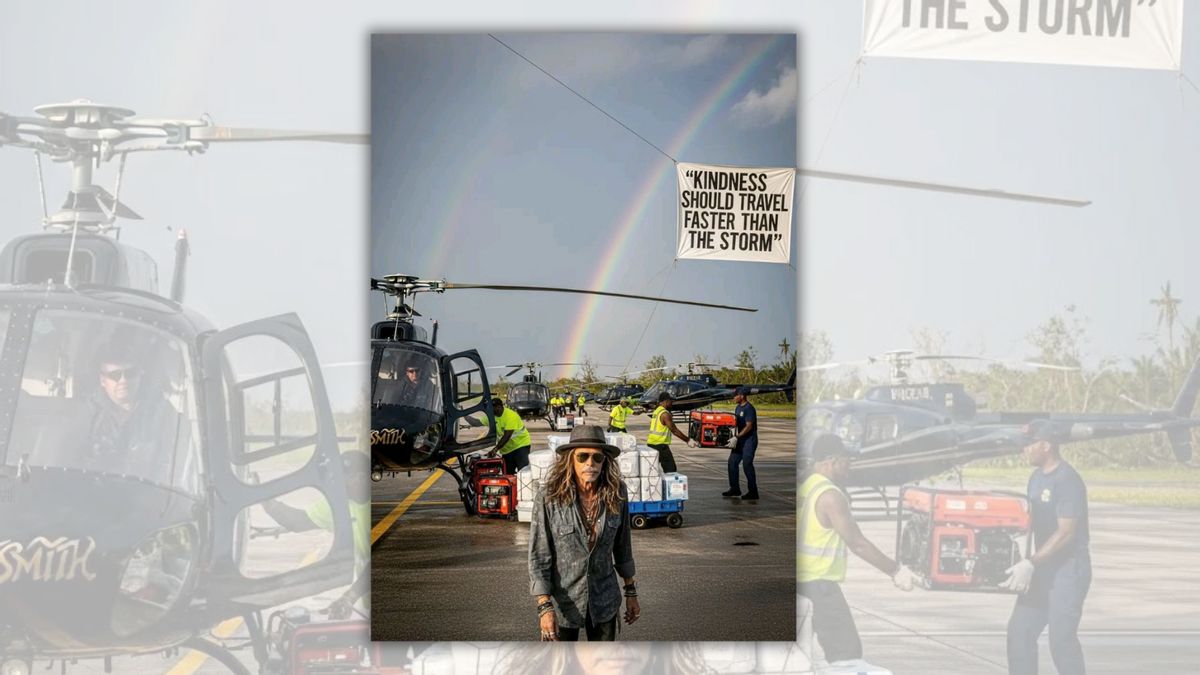
The false narrative began circulating in early November 2025, spreading rapidly across Facebook, X, Instagram, YouTube, and Threads. One particularly viral Facebook post claimed: “HEARTWARMING: Steven Tyler Sends Helicopters Loaded with Aid to Jamaica, Declaring: ‘Kindness Should Travel Faster Than the Storm.'” The post detailed how Tyler supposedly organized a fleet of helicopters within 24 hours after torrential flooding struck Kingston, delivering generators, food, clean water, and medical supplies to stranded communities.
These posts garnered thousands of reactions, comments, and shares from users eager to believe in this celebrity act of kindness. The story gained additional traction as it spread across multiple platforms, with many readers seeking verification of the uplifting tale.
Hurricane Melissa did indeed strike Jamaica in late October 2025, causing significant destruction and leaving at least 28 people dead according to reports from the BBC and Associated Press. The natural disaster created genuine humanitarian needs across the island, making the fabricated relief story seem plausible to many.
However, extensive searches across major news platforms including Yahoo, DuckDuckGo, and Bing turned up no credible reporting about Tyler’s alleged relief efforts. Had such a high-profile humanitarian mission occurred, it would have received substantial coverage from legitimate news organizations.
The false claims were typically accompanied by suspicious imagery purporting to show Tyler standing in front of several helicopters. Analysis by Hive Moderation, an artificial intelligence detection tool, indicated these images were highly likely to have been generated using AI. The photos displayed telltale signs of artificial creation, including deformed background figures, inconsistent text on the helicopters, and distorted or missing hands—common artifacts in AI-generated imagery.
This fabricated story bears all the hallmarks of what Dictionary.com defines as “glurge”—supposedly true and uplifting stories that are actually fabricated and overly sentimental. The Tyler helicopter story appears to be part of a larger pattern of celebrity-focused misinformation designed to generate traffic and advertising revenue through linked websites.
Some social media posts linked to articles that initially appeared to debunk the rumor before pivoting to emotional language about why people wanted to believe it: “Because the story feels right. Steven Tyler—a man whose music has always balanced chaos and compassion—could have done something like this.” Analysis of these articles using the AI-detection tool ZeroGPT suggested they were themselves largely AI-generated, further undermining their credibility.
This isn’t the first false claim about the Aerosmith singer to circulate online. Similar fabricated stories in recent months included claims that Tyler pledged $1 million to build a “cutting-edge cat rescue and rehabilitation center” in October 2025 and that he cut off his iconic long hair in September 2025, supposedly declaring he was “tired of being an old-school rockstar.” All these stories have been debunked.
The proliferation of such celebrity-focused misinformation highlights the growing challenge of distinguishing fact from fiction in today’s social media landscape, where emotional appeal often trumps factual accuracy, and AI tools make creating convincing fake news increasingly accessible.
While Hurricane Melissa’s impact on Jamaica was very real, with communities needing genuine assistance, Steven Tyler’s helicopter mission existed only in fabricated social media posts designed to exploit people’s desire for uplifting news during difficult times.
Fact Checker
Verify the accuracy of this article using The Disinformation Commission analysis and real-time sources.

11 Comments
While the idea of a celebrity organizer relief efforts is appealing, it’s critical we rely on credible sources and official reports rather than viral social media posts. Fact-checking is essential, especially for natural disaster response.
Agreed. Rushing to share heartwarming stories can backfire and undermine legitimate relief efforts. Better to wait for confirmed details from authorities and reputable news outlets.
While the idea of Steven Tyler organizing a relief operation in Jamaica is heartwarming, the investigation has revealed these claims to be entirely fabricated. It’s a good lesson on the importance of verifying information before sharing it.
You’re right, it’s disappointing to see misinformation like this spread so quickly online. Fact-checking is crucial, even for stories that seem positive and uplifting.
This is a good reminder to be cautious about unverified claims, even when they seem positive. It’s important to fact-check before spreading information, to ensure we don’t inadvertently contribute to the spread of misinformation.
Absolutely. Fact-checking takes a bit more time, but it’s the responsible thing to do, especially when it comes to high-profile events and emergency response efforts.
Disappointing to see these false reports about Steven Tyler’s Hurricane relief efforts in Jamaica. Fact-checking is so important to avoid spreading misinformation, even if the story seems heartwarming.
You’re right, it’s a good lesson on verifying claims before sharing them. Spreading unverified stories, even with good intentions, can do more harm than good.
It’s concerning to see how quickly unverified claims can gain traction and spread online, even when they seem like feel-good stories. This is a good reminder to always check the facts before sharing information, no matter how appealing the narrative might be.
Absolutely. Viral social media posts don’t always equate to reliable information. Taking the time to verify claims, especially those involving emergency response, is the responsible thing to do.
While the idea of a celebrity like Steven Tyler organizing a major relief effort is compelling, it’s important we rely on credible sources and official reports rather than unverified social media claims. Fact-checking is crucial, especially for high-profile news.