


Listen to the article
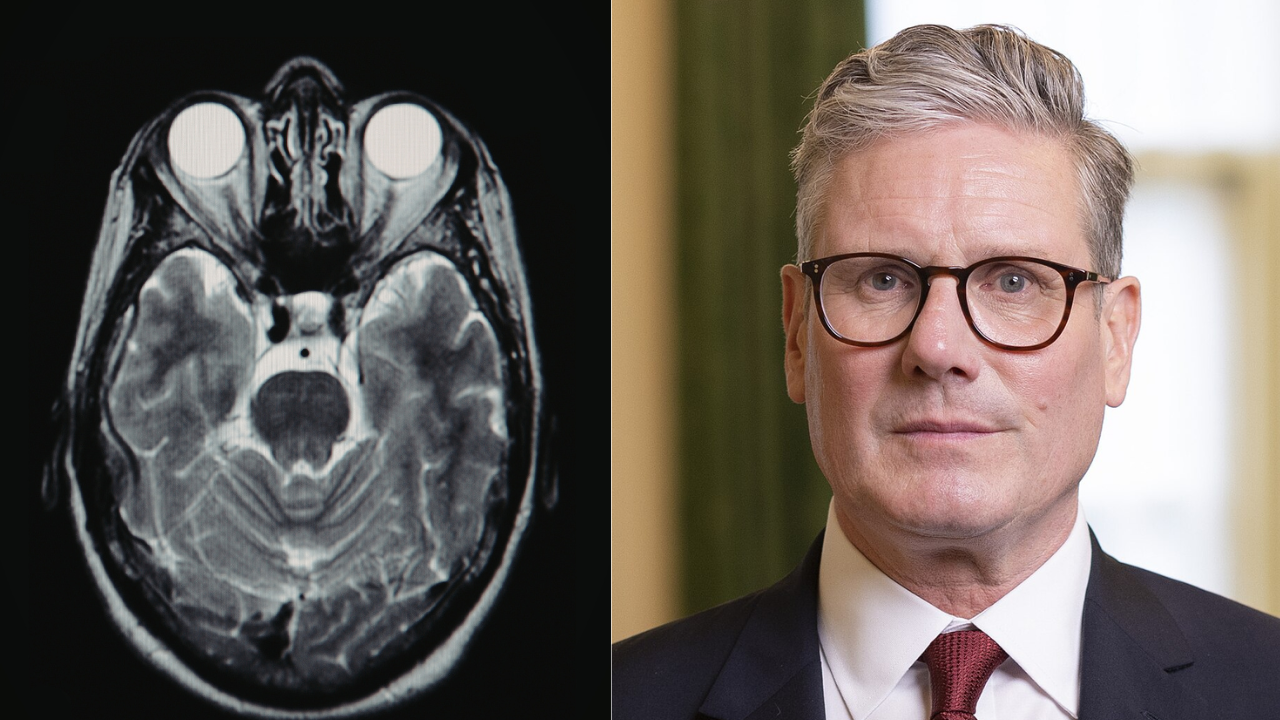
In recent days, social media has been abuzz with claims that UK Prime Minister Keir Starmer suggested the country might need to enter another lockdown due to rising meningitis cases. The claim has generated significant concern among British citizens, many of whom still recall the difficult restrictions during the COVID-19 pandemic.
However, there is no evidence that Prime Minister Starmer made any such statement about meningitis-related lockdowns. The claim appears to be fabricated and has been spreading primarily through unverified social media accounts and messaging platforms.
UK health officials confirm that while they monitor various infectious diseases, including meningitis, there has been no extraordinary surge in cases that would warrant nationwide emergency measures. The UK Health Security Agency (UKHSA), which tracks disease outbreaks and public health threats, has not issued any alerts regarding an unusual increase in meningitis infections.
Meningitis, an inflammation of the membranes that surround the brain and spinal cord, can be caused by viral, bacterial, or fungal infections. While bacterial meningitis can be particularly severe and requires immediate medical attention, the disease does not spread in the same manner as respiratory viruses like COVID-19, making lockdown measures an inappropriate and disproportionate response.
Dr. Emma Richardson, an infectious disease specialist at King’s College London, explained, “Meningitis is serious but doesn’t spread through casual contact or airborne transmission like COVID-19. It typically requires close contact with an infected person’s respiratory secretions. The public health approach to meningitis outbreaks involves targeted vaccination, antibiotic prophylaxis for close contacts, and public education—not society-wide restrictions.”
The false claim comes at a sensitive time for the UK, with Starmer’s Labour government still establishing itself after the July general election. Public health misinformation experts suggest that fabricated claims about lockdowns exploit existing anxieties and political divisions following the contentious COVID-19 pandemic response.
“We often see health misinformation targeting new administrations,” notes Professor Jonathan Wells of the Oxford Internet Institute. “These claims play on residual trauma from the pandemic period and attempt to undermine public confidence in government health policies before they’re even announced.”
The UK’s experience with COVID-19 lockdowns created significant economic and social disruption between 2020 and 2022. Though necessary to control the pandemic, these measures remain politically divisive, with some segments of the population strongly opposed to any future implementation of similar restrictions.
A spokesperson for the Prime Minister’s office at 10 Downing Street categorically denied the rumors, stating: “The Prime Minister has made no such statement regarding meningitis cases or any plans for lockdown measures. The government continues to work with health authorities to monitor public health concerns through established protocols, but there are absolutely no discussions about implementing lockdown measures.”
Health authorities emphasize that the UK’s approach to meningitis prevention focuses on vaccination programs, particularly for children, teenagers, and young adults who face higher risk. The NHS routinely offers meningitis vaccines as part of its childhood immunization schedule and to university students, who live in close quarters where certain meningitis-causing bacteria can spread more easily.
Public health experts recommend that concerned citizens seek information from official sources such as the NHS website, UKHSA bulletins, or government health announcements rather than unverified social media posts.
As misinformation continues to circulate, fact-checking organizations have stepped in to debunk the claim. Full Fact, one of the UK’s leading independent fact-checking charities, has labeled the supposed statement as “false” and urged social media users to verify information before sharing potentially alarming health claims.
The incident highlights the ongoing challenge of health-related misinformation in the digital age and underscores the importance of critical information literacy as the public navigates complex health messages in an increasingly fragmented media environment.
Fact Checker
Verify the accuracy of this article using The Disinformation Commission analysis and real-time sources.

8 Comments
Good to see this claim being debunked. While public health vigilance is always important, we shouldn’t jump to conclusions about lockdowns without clear justification from credible sources. Hopefully this helps quell some of the concerning misinformation that was circulating on social media.
Agreed, it’s reassuring to see the health authorities pushing back on unfounded rumors. Maintaining public trust in official information is crucial, especially on sensitive topics like infectious disease management.
This fact check provides a helpful reality check on the social media claims around Starmer and meningitis lockdowns. Appreciative of the transparency in confirming that UK health authorities haven’t flagged any extraordinary rise in cases. Cautious, evidence-based policymaking is crucial, especially after the pandemic experience.
Thanks for the clarification. Meningitis is certainly a serious illness, but it’s good to know the situation doesn’t seem to warrant the kind of widespread lockdowns we saw for COVID-19. Careful monitoring and targeted public health responses are likely more appropriate.
This fact check provides a necessary reality check on the social media claims about Starmer and meningitis lockdowns. Appreciate the transparency in confirming the lack of evidence to support such an extraordinary public health measure. Responsible policymaking and clear communication from authorities are key.
Well said. It’s important we rely on verified information from health experts, not unsubstantiated social media rumors, when it comes to monitoring and responding to infectious disease outbreaks.
It’s understandable that people would be concerned about the prospect of new lockdowns, given the significant disruption of the past couple years. However, this claim about Starmer and meningitis appears to be unfounded. Important to rely on official health data and avoid spreading unverified information, even if it’s alarming.
Interesting to see the fact-checking on this claim about Starmer and lockdowns over meningitis cases. Glad to hear the health authorities haven’t reported any unusual spike that would warrant such drastic measures. Monitoring infectious diseases is important, but we should be wary of unsubstantiated social media rumors.