


Listen to the article
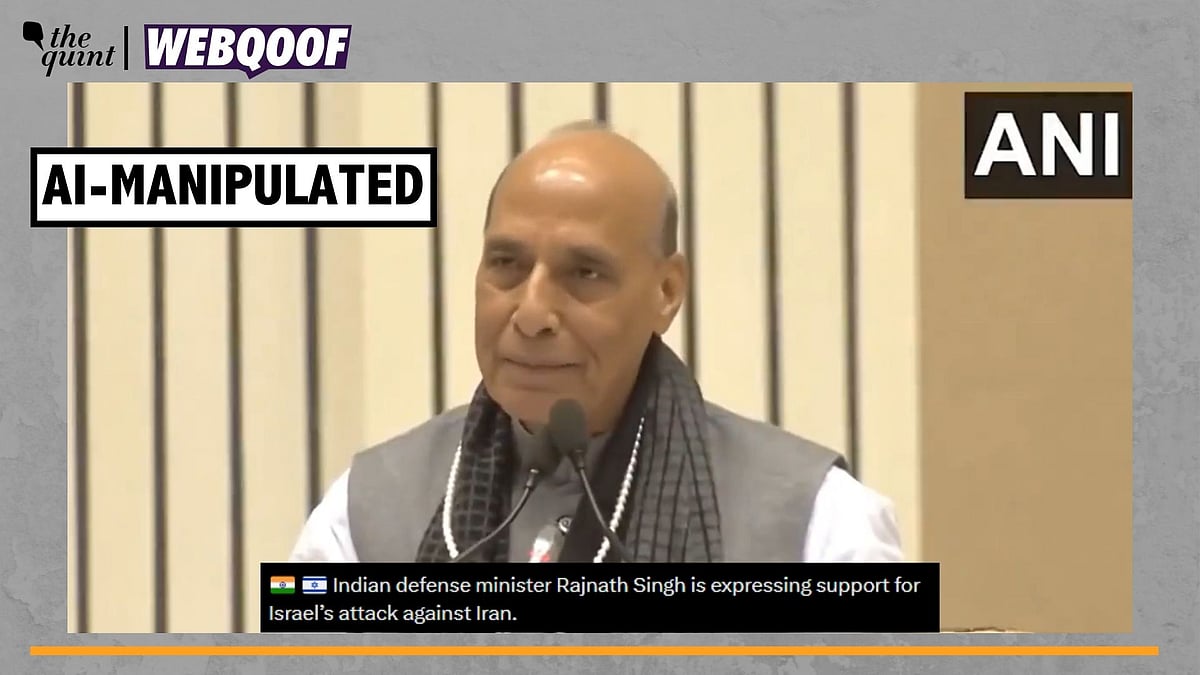
In an era of increasingly sophisticated digital manipulation, social media platforms have become battlegrounds where misinformation spreads rapidly, often blurring the lines between fact and fiction. A recent example highlights this growing concern, as a manipulated video featuring Union Defence Minister Rajnath Singh has been circulating widely across various social media networks.
The doctored 35-second clip appears to show Singh making strong statements supporting Israel’s recent military actions against Iran. In the fabricated footage, Singh allegedly declares that “The strike on Iran following Prime Minister Modi’s visit to Israel highlights India’s alignment with its strategic partner and underscores the calculated nature of the operation.” The manipulated video goes further, portraying Singh as cautioning Tehran about “serious consequences on regional peace and stability” should hostile actions continue, while “reiterating India’s support for Israel’s security and right to defend itself.”
Verification efforts have confirmed that this video is entirely fraudulent, created using artificial intelligence technology. There is no credible evidence that Singh made any such statement regarding the recent Israel-Iran conflict.
This incident comes amid escalating tensions between Israel and Iran, a complex geopolitical situation that has drawn varied responses from nations worldwide. India has traditionally maintained a balanced approach to Middle East politics, cultivating relationships with both Israel and Iran while carefully avoiding taking explicit sides in regional conflicts.
The emergence of this fabricated content is particularly concerning given India’s nuanced foreign policy stance in the region. India has historic ties with Iran, including significant energy imports and strategic cooperation regarding Afghanistan, while simultaneously developing a growing defense and technology partnership with Israel over recent decades.
Digital misinformation experts note that this case represents an alarming evolution in politically motivated fake news. Rather than simply misattributing quotes or taking statements out of context, bad actors are now creating entirely fictional statements from political figures using AI voice cloning and video manipulation technologies.
“What makes these AI-generated fakes particularly dangerous is how convincing they can appear to the untrained eye,” explains Dr. Sameer Patel, a cybersecurity analyst specializing in digital misinformation. “They’re designed specifically to exploit existing political tensions and can spread virally before fact-checkers have time to respond.”
The Ministry of Defence has not yet issued an official statement addressing this specific video, though government sources have confirmed it to be fraudulent.
This incident highlights the growing challenge that governments, media organizations, and social media platforms face in combating increasingly sophisticated forms of digital manipulation. Major platforms like Facebook, Twitter, and YouTube have implemented various measures to flag potentially misleading content, but AI-generated fakes continue to pose significant challenges to these systems.
For media consumers, this case serves as another reminder of the importance of digital literacy and source verification. Experts recommend checking official government channels and reputable news sources before accepting purported statements from high-ranking officials, particularly those addressing sensitive geopolitical issues.
As tensions continue in the Middle East, with significant implications for global security and economic stability, accurate information becomes even more crucial. Fabricated content like the manipulated Singh video not only misleads the public but potentially complicates diplomatic efforts in an already volatile region.
The spread of this false video also underscores how geopolitical conflicts increasingly play out in the information space, with social media becoming a theater for influence operations alongside traditional military and diplomatic channels.
Technology companies, governments, and civil society continue to develop methods to detect and combat such sophisticated disinformation, though the rapid advancement of AI tools suggests this challenge will only grow more complex in the coming years.
Fact Checker
Verify the accuracy of this article using The Disinformation Commission analysis and real-time sources.

10 Comments
The use of AI-manipulated videos to spread false narratives is a concerning trend that undermines public discourse and trust. It’s a sobering reminder of the importance of verifying information from multiple reliable sources.
The use of AI-manipulated videos to spread disinformation is a troubling trend that undermines public trust and informed decision-making. Strengthening our collective ability to identify and counter such threats should be a top priority.
This case underscores the importance of media literacy and critical thinking skills. As technology continues to advance, we must remain vigilant in our efforts to distinguish fact from fiction and resist the spread of misinformation.
The revelation that this video was fabricated using AI technology is deeply concerning. It highlights the urgent need for greater transparency and accountability around the development and use of such powerful tools.
This story serves as a stark reminder that we must be vigilant in our consumption of online information. Fact-checking and critical analysis are crucial skills to develop in order to navigate the increasingly complex digital landscape.
Absolutely. With the proliferation of AI-generated content, it’s more important than ever to be discerning and to rely on authoritative, well-vetted sources of information.
While technological advancements can bring many benefits, the potential for misuse is also growing. This case demonstrates the need for robust regulations and ethical guidelines to ensure AI is not exploited for malicious purposes.
This is a worrying example of the growing threat of digital manipulation and misinformation. It’s crucial that we remain vigilant and rely on verified, credible sources of information, especially when it comes to sensitive geopolitical issues.
It’s disturbing to see how AI technology can be misused to create such convincing yet entirely fabricated content. This highlights the urgent need for robust fact-checking and media literacy efforts to combat the spread of disinformation.
Agreed. We must be extremely cautious about blindly trusting online content, even from seemingly authoritative sources. Fact-checking and critical thinking are essential skills in this digital age.