


Listen to the article
Viral Cat Kissing Claim Debunked: Expert Clarifies Toxoplasmosis Transmission Risks
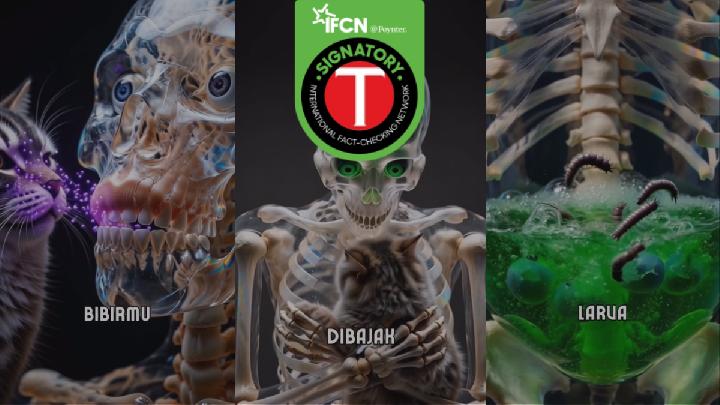
A viral video claiming that kissing cats can lead to parasitic brain infections has been found to be misleading following a thorough investigation by Tempo’s Fact Check Team.
The widely shared video describes a six-stage infection process, beginning with parasite eggs transferring to human lips through contact with cats, hatching in the stomach, attacking the immune system, and ultimately building a “nest” in the brain. According to the video, this brain infection supposedly causes personality changes, making victims “more irritable, reckless” with “slowed reflexes.”
After receiving numerous reader inquiries about the claim’s validity, Tempo consulted veterinary experts and reviewed scientific literature to determine the actual risks associated with cat-human transmission of the Toxoplasma parasite.
Siti Gusti Ningrum, a lecturer at the Faculty of Veterinary Medicine at Wijaya Kusuma University Surabaya, confirmed that while cats are indeed the primary hosts for Toxoplasma gondii, the transmission pathway described in the video is inaccurate.
“The parasite can be transmitted if feces from an infected cat are accidentally ingested by humans,” Ningrum explained. “However, activities such as kissing cats are considered harmless as long as proper hygiene is maintained.”
The expert emphasized that the primary health concern from toxoplasmosis is not brain manipulation but rather potential complications affecting women’s reproductive health, particularly during pregnancy.
According to data from the Cornell University College of Veterinary Medicine, cats typically contract Toxoplasma by consuming infected prey animals such as rodents and birds, or through contact with contaminated materials. An infected cat can shed the parasite in its feces for approximately two weeks.
The parasite requires one to five days to mature after being excreted before it becomes infectious. Once matured, however, it can survive in soil, water, and other environmental surfaces for months, creating ongoing contamination risks wherever an infected cat has defecated.
For humans, the most common infection routes involve consuming undercooked meat, unwashed vegetables, or accidentally ingesting contaminated soil—not through casual physical contact with cats.
“Even though cats often lick their anus, the natural defense system in a cat’s saliva and tongue helps minimize the spread of germs,” Ningrum noted, further dismissing the kissing transmission theory.
Most individuals with healthy immune systems who contract toxoplasmosis experience mild symptoms or none at all. When symptoms do appear, they typically resemble flu-like conditions—muscle aches, fever, and headaches. In rare cases, particularly among immunocompromised individuals, more severe symptoms such as confusion, seizures, or gastrointestinal distress may develop.
Public health experts recommend basic hygiene practices to prevent Toxoplasma transmission. These include wearing gloves when handling potentially contaminated materials like garden soil or cat litter, promptly cleaning up pet waste, thoroughly washing hands after contact with animals, and seeking veterinary care for pets showing signs of illness.
It’s worth noting that even healthy-appearing cats can potentially spread germs to humans and other animals, making consistent hygiene practices important for all pet owners regardless of their cat’s apparent health status.
Based on the expert consultation and scientific evidence, Tempo’s verification concludes that the viral claim about kissing cats leading to brain-hijacking parasites is fundamentally misleading. While Toxoplasma infection is a legitimate concern, the transmission route and health effects portrayed in the viral content significantly misrepresent the actual risks.
For cat owners concerned about toxoplasmosis, veterinary experts recommend maintaining good hygiene practices rather than avoiding physical contact with their pets. Regular handwashing, proper litter box management, and routine veterinary care remain the most effective ways to minimize potential health risks while enjoying the companionship of feline pets.
Fact Checker
Verify the accuracy of this article using The Disinformation Commission analysis and real-time sources.

10 Comments
Appreciate the effort to correct this misleading claim about cats and brain infections. Responsible journalism is important for combating the spread of health misinformation online.
This article does a good job debunking the misleading claim about kissing cats causing brain infections. It’s important to rely on expert veterinary advice rather than viral videos when it comes to pet health risks.
The article does a solid job unpacking the real risks and transmission pathways related to Toxoplasma and cats. Glad to see pushback against misleading viral health claims.
Appreciate the balanced, fact-based approach in this article. It’s refreshing to see nuanced reporting on a topic that often gets sensationalized online.
It’s always smart to be skeptical of viral health claims, especially ones that seem alarmist or sensational. This thorough fact check helps provide a more balanced, evidence-based perspective.
Absolutely. Consulting legitimate scientific sources is key to separating fact from fiction when it comes to pet-related health risks.
This is a helpful reality check on the risks of Toxoplasma transmission from cats. While precautions are warranted, the video’s dramatized portrayal doesn’t reflect the actual science.
Glad to see this fact check clarifying the actual transmission risks of Toxoplasma from cats. While cat owners should be cautious, the video’s exaggerated claims don’t reflect the science.
Agreed, the video seems to have blown the risks way out of proportion. Good to get the facts straight from veterinary experts.
Good to see a reputable source like Tempo taking the time to investigate this viral video claim and set the record straight with expert input. Fact-checking is crucial these days.