


Listen to the article
A new study from Australia raises concerns about potential nutritional deficiencies in patients taking popular weight-loss medications, suggesting doctors may need to monitor patients’ diets more carefully during treatment.
Researchers at the Hunter Medical Research Institute conducted a systematic review of GLP-1 medications, which have helped millions shed pounds. While confirming these drugs’ effectiveness for weight loss, the team discovered a significant research gap: many clinical trials fail to track changes in patients’ eating habits or nutritional intake while on the medications.
This oversight could put some patients at risk of malnutrition over time, according to the findings. The review specifically highlighted rare but concerning cases of vitamin deficiencies, including scurvy – a condition caused by insufficient vitamin C intake that was once common among sailors during long voyages.
“Very little is known about the exact changes these medications have on what people actually eat, whether vitamin and mineral intakes are adequate, and whether weight-loss achieved through medication also supports optimal nutrition-related health and wellbeing in the long-term,” the Hunter Medical Research Institute noted in its report.
Scurvy develops when the body doesn’t receive enough fruits and vegetables to maintain healthy tissue repair and immune function. Symptoms can include anemia, loose teeth, bruising, bleeding under the skin, swollen or bleeding gums, and wounds that don’t heal properly – all serious conditions that could significantly impact patient health if left unaddressed.
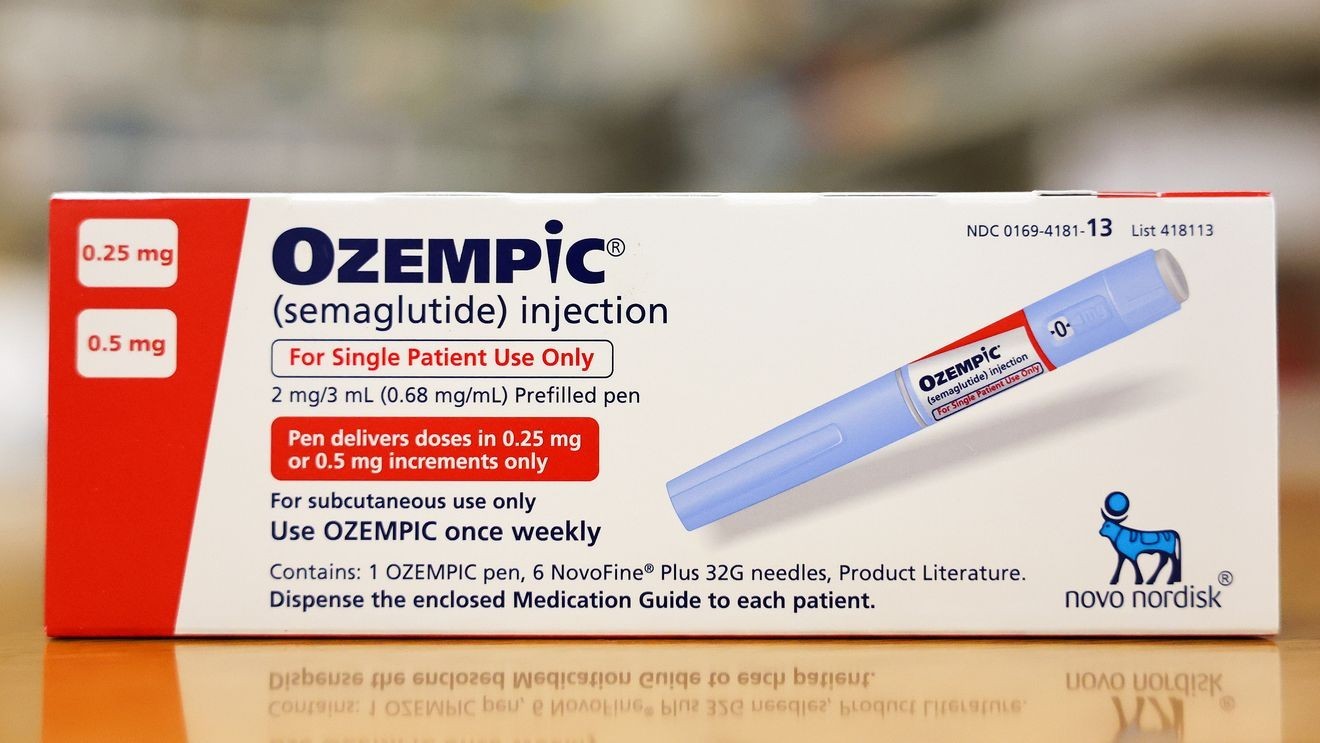
The researchers emphasize these nutritional deficiencies appear uncommon among GLP-1 users. Their findings are not meant to discourage use of the medications, which include widely prescribed drugs like Ozempic, Wegovy, and Mounjaro. Rather, the study points to an important blind spot in current research that could affect patient safety with prolonged use.
Beyond vitamin C, the review identified other potential nutritional concerns. Iron deficiency could lead to anemia in some patients, while inadequate B vitamin intake might contribute to serious neurological conditions such as Wernicke’s encephalopathy, though such complications remain rare.
The situation is further complicated by the fact that symptoms of nutrient deficiency – including fatigue, nausea, and irritability – often mirror the common side effects of GLP-1 medications themselves. This overlap can make early detection of nutritional problems challenging for healthcare providers.
Medical experts are now recommending that physicians monitor patients’ diets more closely during treatment and ensure that reduced food intake doesn’t compromise nutritional quality. The researchers suggest that even smaller meals should remain nutritionally dense to prevent deficiencies.
For pharmaceutical companies and the medical research community, the findings highlight the need for more comprehensive clinical trials that include detailed dietary assessments. Such data would help clarify the long-term nutritional implications of these increasingly popular medications.
The global market for GLP-1 medications has grown exponentially in recent years, with manufacturers struggling to meet demand. Novo Nordisk and Eli Lilly, the companies behind leading GLP-1 drugs, have seen their stock prices surge as the medications gain popularity for both diabetes management and weight loss.
For patients currently taking or considering these medications, experts recommend working with a registered dietitian and potentially undergoing nutritional screening before starting treatment. Simple blood tests can identify existing deficiencies that might be exacerbated by reduced food intake.
Healthcare providers may also consider recommending multivitamin supplements for some patients, though the researchers emphasize that whole food sources of nutrients are generally preferred when possible.
The researchers concluded that while GLP-1 medications remain valuable tools in addressing obesity, sustainable long-term success depends not just on appetite suppression but also on careful nutritional management – an aspect of treatment that deserves greater attention from both patients and healthcare providers.
Fact Checker
Verify the accuracy of this article using The Disinformation Commission analysis and real-time sources.

16 Comments
The research highlighting potential nutrient deficiencies like scurvy with GLP-1 medications is thought-provoking. Ensuring comprehensive care that optimizes both weight loss and broader health indicators is crucial. Closer monitoring of dietary changes seems prudent.
Agreed. Maintaining overall wellbeing, not just weight, should be the goal when prescribing these types of treatments. Proactive monitoring and nutritional support can help prevent unintended consequences.
The research highlights an important gap in clinical trials for these popular weight-loss drugs. Tracking patients’ nutritional status is crucial to ensure the medications don’t inadvertently lead to deficiencies over time. Comprehensive care is key.
Absolutely. Comprehensive monitoring of dietary intake and nutritional markers should be standard practice, not an oversight, when prescribing these types of medications. Patient safety has to be the top priority.
This research underscores the importance of holistic care when prescribing weight-loss drugs. Tracking patients’ dietary changes and nutrient intake is crucial to ensure GLP-1 medications don’t inadvertently lead to deficiencies over time. Comprehensive oversight is key.
Agreed. Optimizing both weight and overall health should be the priority. Careful monitoring and nutritional support can help ensure these medications don’t compromise patient wellbeing in the long run.
Interesting findings on potential nutritional risks with GLP-1 medications. Monitoring patients’ diets and nutrient intake during weight-loss treatments seems prudent to avoid deficiencies like scurvy. More research on the long-term nutritional impacts would be valuable.
Agreed, better oversight of dietary changes and supplements could help mitigate any hidden risks. Medications that improve one aspect of health shouldn’t compromise overall nutrition and wellbeing.
Scurvy from GLP-1 meds? That’s quite concerning. Even with effective weight loss, maintaining overall health and adequate nutrition should be the primary goal. Glad to see researchers calling for closer monitoring of patients on these treatments.
Fascinating that GLP-1 drugs could potentially lead to scurvy in some patients. The research highlights how important it is to consider the broader nutritional impacts of weight-loss treatments, not just the pounds shed. Diligent monitoring seems essential.
Absolutely. Maintaining overall health and wellness should be the priority, not just weight loss alone. Careful oversight of dietary changes and nutrient intake is critical when prescribing these types of medications.
The potential for GLP-1 medications to contribute to nutrient deficiencies like scurvy is quite concerning. While effective for weight loss, these drugs shouldn’t compromise patients’ broader health and nutritional status. Closer monitoring seems warranted.
This study raises important questions about the long-term effects of GLP-1 medications on nutrition and health. Proactively monitoring patients’ diets and nutrient levels is prudent to prevent rare but serious deficiencies from developing. Comprehensive care is key.
While the weight-loss benefits of GLP-1 medications are clear, the potential for nutrient deficiencies like scurvy is a serious issue that warrants further investigation. Tracking dietary changes and supplementation needs during treatment seems crucial.
Agreed. Optimizing both weight and overall health should be the focus. Careful monitoring and nutritional support can help ensure these medications don’t inadvertently compromise patient wellbeing in the long run.
Rare cases of scurvy linked to GLP-1 medications? That’s quite concerning. While these drugs are effective for weight loss, maintaining adequate nutrition and overall health should be the top priority. Diligent monitoring of dietary changes seems essential.