


Listen to the article
The southeastern United States is bracing for a significant winter storm, and as residents prepare for potential power outages, questions are circulating about the deployment and responsibilities of utility crews.
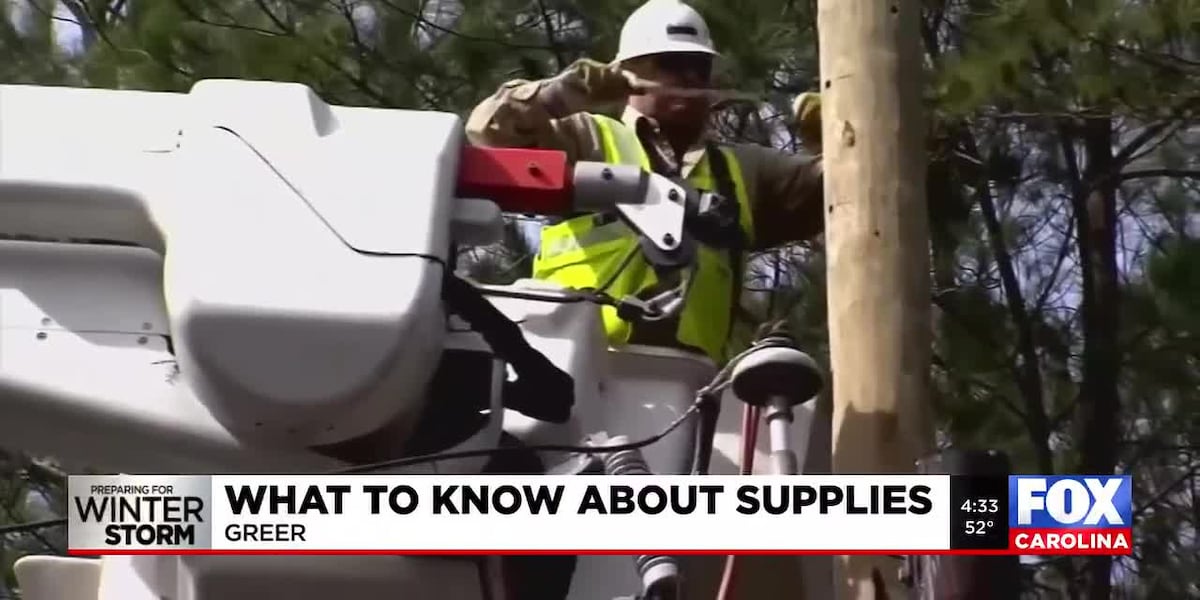
Many viewers have contacted local news outlets asking why they haven’t seen more power trucks positioned in advance of the storm. This concern stems from memories of past winter weather events that left thousands without electricity for extended periods.
Duke Energy, the region’s largest utility provider, addressed these questions during a press conference yesterday. A company spokesperson explained that their emergency response strategy involves a careful balance between pre-positioning crews and maintaining flexibility to address outages as they occur.
“We understand the public’s concern when they don’t see utility trucks in their neighborhoods before a storm,” said Maria Thompson, Duke Energy’s emergency operations director. “But our deployment strategy is based on data from weather forecasting and historical outage patterns. We position crews strategically to respond quickly while maintaining the ability to shift resources as the situation develops.”
The utility company has activated its emergency response protocol, bringing in approximately 5,500 workers from multiple states to supplement local crews. These include lineworkers, vegetation management specialists, and damage assessment teams from as far away as Ohio, Indiana, and Florida.
Energy experts note that the staging of utility crews differs significantly from other emergency responders. Unlike fire or medical services, power restoration work typically cannot begin until after the storm has passed and conditions are safe for workers.
“There’s a misconception that crews should all be visible before the first snowflake falls,” explained Dr. Robert Hartley, professor of energy infrastructure at Clemson University. “In reality, the most dangerous time for power crews to work is during the actual storm. Ice-laden trees, high winds, and hazardous road conditions can put workers at significant risk.”
The Carolina Public Service Commission confirmed that utility companies follow established protocols during severe weather events. These include maintaining a certain level of staffing based on forecast severity, establishing staging areas outside the expected impact zone, and coordinating with emergency management agencies.
This particular storm system is expected to bring a dangerous mix of snow, sleet, and freezing rain to portions of the Carolinas and Georgia. Meteorologists predict ice accumulations could reach half an inch in some areas, a threshold known to cause significant power infrastructure damage.
Local emergency management officials are urging residents to prepare for potential outages lasting several days. They recommend stocking non-perishable food, water, medications, and alternative heat sources that don’t require electricity.
“The historical data shows that ice storms present the greatest challenge to power restoration efforts,” said Jason Miller, director of emergency services for Greenville County. “Ice can add hundreds of pounds of weight to power lines and tree limbs. When those fail, it’s not simply a matter of flipping a switch to restore service.”
Duke Energy has implemented lessons learned from previous winter storms, including improved communication systems to provide more accurate restoration time estimates. The company has also invested in grid hardening measures over the past five years, including strategic undergrounding of vulnerable power lines and aggressive vegetation management programs.
Industry analysts point out that utilities across the Southeast have faced criticism in recent years for what some perceive as inadequate storm preparation. However, the complex nature of the region’s power infrastructure presents unique challenges.
“The Carolinas have a diverse geography that includes mountains, piedmont, and coastal areas, all with different vulnerabilities to winter weather,” noted Sarah Jenkins, an energy policy analyst with the Southern States Energy Board. “This diversity requires utilities to maintain flexibility in their response rather than concentrating all resources in one location before a storm.”
As the winter system approaches, utility companies are asking customers to report outages promptly through official channels rather than social media, which helps them identify problem areas more quickly. They also remind the public to stay away from downed power lines and to give work crews adequate space to operate safely.
Fact Checker
Verify the accuracy of this article using The Disinformation Commission analysis and real-time sources.

13 Comments
Preparing for winter storms is no easy task. I’m glad the utility is taking a measured, data-driven approach to positioning crews. Having the ability to shift resources as needed will likely help them restore power more quickly when outages do occur.
The utility company’s explanation of their emergency response strategy makes a lot of sense. Pre-positioning crews has its merits, but maintaining flexibility to adapt to changing conditions is also critical.
That’s a great point. Maintaining a balance between preparedness and operational agility is crucial for utilities dealing with unpredictable weather events. Their data-driven strategy seems well-considered.
Absolutely, having the ability to shift resources as the situation evolves is key. It allows them to respond more nimbly to outages as they occur rather than being locked into a static deployment plan.
Interesting to see how utilities plan ahead for winter storms. It’s a delicate balance between preemptive positioning and maintaining flexibility to respond as outages occur. Glad to hear they have a thoughtful strategy based on weather data and past experience.
I can understand why some customers might wonder why they don’t see more utility trucks out before a storm. But it makes sense that the company would want to maintain flexibility in their deployment.
That’s a fair point. Utilities need to find the right balance between being visible and maintaining operational readiness. Sounds like this company is trying to do that through strategic positioning and real-time adjustments.
I appreciate the utility company’s transparency in addressing public concerns. It’s understandable that residents want to see crews on standby, but the logistics of coordinating an effective emergency response require careful planning. Their approach sounds sensible.
It’s good to see the utility company proactively addressing public concerns about their storm preparations. Providing that level of transparency is a responsible approach.
I agree, transparency and clear communication from utilities is so important, especially during emergency situations. It helps build trust and understanding with customers.
It’s good to see the utility company being proactive in addressing public concerns. Transparent communication about their emergency response strategy helps build trust with customers. Balancing preparedness with operational flexibility is key.
This is an important topic as extreme weather events become more frequent. I’m curious to learn more about the specific data and forecasting models utilities use to determine their crew deployment. Maintaining resilient power infrastructure is crucial for communities.
Effective emergency response planning is so important, especially as extreme weather becomes more common. I appreciate the utility’s thoughtful approach of leveraging weather data and historical patterns to guide their crew positioning.