


Listen to the article
AI-Generated Image of Melania Trump and Jeffrey Epstein Debunked by Fact-Checkers
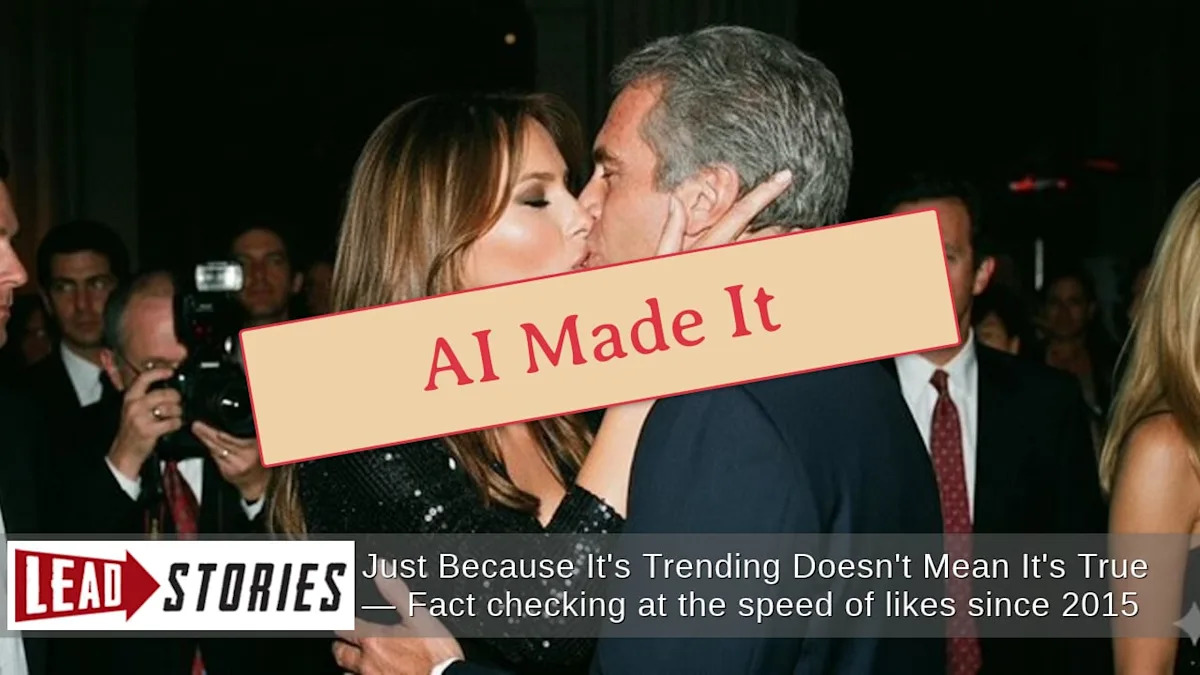
A digitally fabricated image purportedly showing former First Lady Melania Trump kissing convicted sex offender Jeffrey Epstein has been confirmed as fake by fact-checking organizations. The image, which began circulating on social media in December 2025, represents the latest in a series of AI-generated photos targeting high-profile political figures.
According to analysis by fact-checkers, the Hive Moderation AI detection tool evaluated the image with 98.8 percent certainty that it was created using artificial intelligence software. The falsified photo first appeared in a reply to Amazon MGM Studios’ trailer for an upcoming documentary titled “Melania,” posted by the X (formerly Twitter) account @therockbella on December 17, 2025.
Digital forensic investigation revealed no earlier instances of the image before this date. Comprehensive reverse image searches using both Google and TinEye found only two examples of the image, both appearing in X posts made within days of the initial circulation.
This fabrication emerges amid growing concern over the increasing sophistication of AI-generated content targeting political figures. The circulation of such deceptive imagery has intensified scrutiny over the role of artificial intelligence in creating and spreading misinformation on social media platforms.
The timing of the fake image is particularly notable as it coincides with the promotional campaign for the “Melania” documentary, suggesting a potential attempt to capitalize on renewed public interest in the former First Lady. Amazon MGM Studios has not commented on the falsified image that appeared in replies to their promotional materials.
This isn’t the first time Melania Trump has been the subject of AI-generated misinformation. Fact-checkers previously debunked another artificial image that purportedly showed her kissing Epstein on the cheek. That earlier fabrication was addressed in a fact-check titled “Photo Of Melania Trump Kissing Jeffrey Epstein Is Fake — Colbert Didn’t Air It,” which similarly concluded the image was created using AI technology.
The proliferation of such convincing fake imagery highlights the growing challenge faced by media consumers in distinguishing between authentic and fabricated content. As AI tools become more accessible and their outputs more realistic, the potential for visual misinformation to influence public perception continues to increase.
Digital literacy experts emphasize the importance of verifying images through multiple sources before accepting their authenticity, particularly when they depict controversial or politically charged scenarios involving public figures.
Social media platforms have faced mounting pressure to implement more effective detection systems for AI-generated content. While some platforms have introduced policies requiring disclosure of AI-created imagery, enforcement remains challenging due to the rapidly evolving technology.
The Hive Moderation tool used to analyze this particular image represents one of several technologies now being deployed to combat visual misinformation. These detection tools, while increasingly sophisticated, remain in an ongoing technological race against ever-improving image generation capabilities.
As the 2026 midterm election cycle approaches in the United States, media literacy advocates warn that AI-generated images targeting political figures will likely become more prevalent, requiring heightened vigilance from both platforms and users.
Fact Checker
Verify the accuracy of this article using The Disinformation Commission analysis and real-time sources.

13 Comments
Fabricated images created by AI are a growing challenge that requires robust fact-checking and media literacy efforts. It’s crucial that we all remain vigilant and rely on trusted sources when evaluating online content.
While AI technology is advancing rapidly, this incident underscores the importance of maintaining a healthy skepticism towards online content and relying on reputable fact-checking sources to verify the authenticity of media. Vigilance is key.
This incident highlights the need for increased regulation and oversight of AI technology to prevent its misuse for the creation of synthetic media. Fact-checking and public education will be essential in the fight against disinformation.
Agreed. As AI capabilities continue to advance, policymakers and tech companies will need to work together to establish clear guidelines and safeguards to mitigate the risks of AI-generated content being used for malicious purposes.
The proliferation of AI-generated content is concerning, as it can be used to spread disinformation and undermine trust in media. Rigorous fact-checking and public awareness campaigns are necessary to combat this threat.
This incident is a clear example of the need for greater oversight and regulation of AI technology to prevent its misuse for the creation of disinformation. Fact-checking and media literacy efforts must be strengthened to protect the public.
Interesting to see AI-generated content being used to spread misinformation. While the technology is advancing, it’s important to be vigilant and fact-check everything we see online, especially when it comes to sensitive political topics.
Absolutely, the potential for AI to create fake content and mislead people is concerning. Fact-checking and digital forensics are crucial to exposing these fabrications.
The debunking of this AI-generated image is a positive step, but it also highlights the ongoing challenge of combating the spread of synthetic media. Continued investment in fact-checking and public education will be essential moving forward.
It’s concerning to see how AI-generated images can be used to spread disinformation. This highlights the need for robust media literacy and fact-checking efforts to combat the rise of synthetic content.
Agreed. As AI capabilities advance, we’ll likely see more sophisticated attempts to create convincing fake images and videos. Staying vigilant and relying on trusted fact-checkers is essential.
This serves as a reminder of the importance of media literacy and critical thinking when consuming online content. While AI technology is impressive, it can also be misused to spread misinformation. Fact-checking is key.
The use of AI to create this fabricated image is troubling, as it demonstrates the potential for the technology to be misused to spread disinformation. Fact-checking and media literacy initiatives will be crucial in combating this threat.