


Listen to the article
In an unprecedented display of executive authority, President Trump has made waves by exercising his clemency powers extensively during his first year back in office, departing from the typical pattern of presidents who generally reserve such actions for the twilight of their terms.
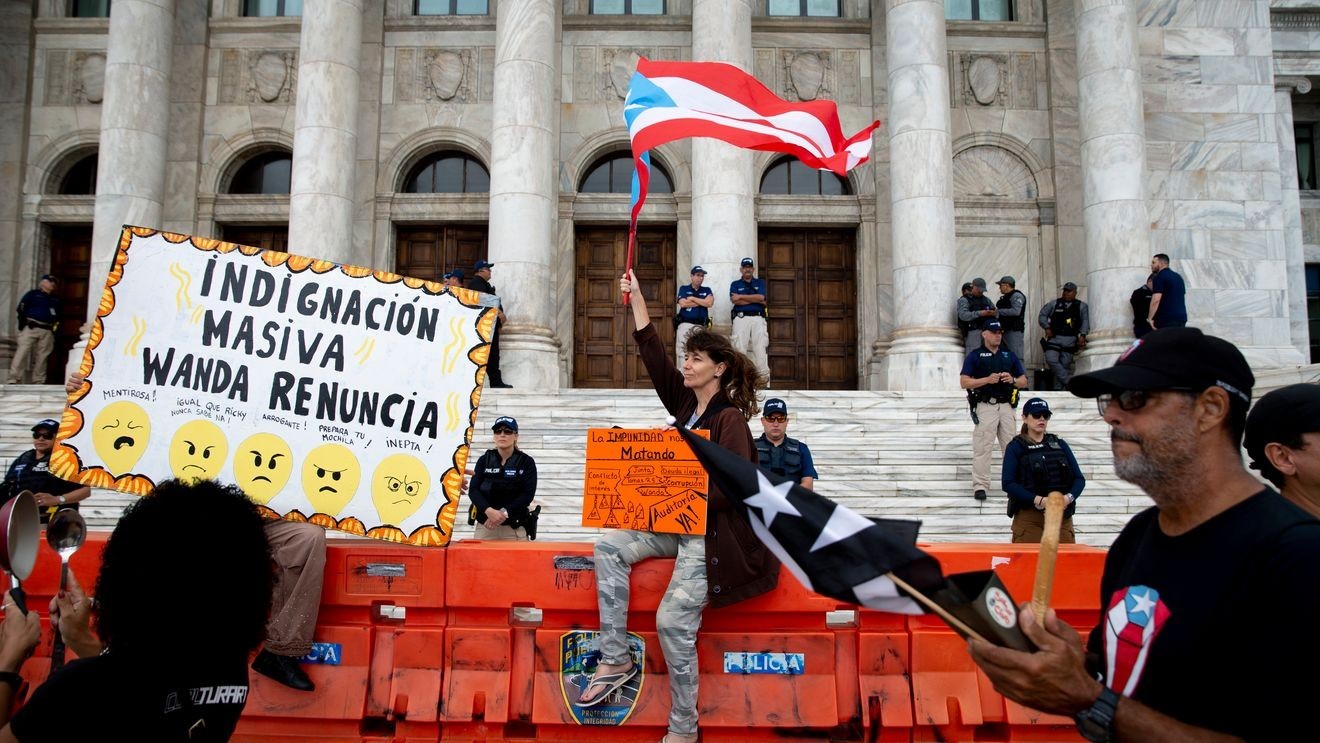
Last week’s announcement of a pardon for former Puerto Rico Governor Wanda Vázquez Garced attracted significant attention across political circles. Vázquez had been facing federal charges stemming from a 2022 indictment related to alleged campaign finance violations and corruption. The White House justified the decision by characterizing the prosecution as politically motivated, according to reporting from The New York Times.
The clemency package wasn’t limited to Vázquez alone. It also extended to two other individuals connected to the same case: Julio Martín Herrera Velutini and Mark Rossini. Velutini, a banker with international ties, and Rossini, a former FBI agent, were co-defendants in the corruption case that alleged improper campaign financing arrangements.
While the Vázquez pardon has generated considerable controversy, presidential pardons triggering national backlash have a long history in American politics. One of the most consequential examples occurred in 1974, when President Gerald Ford pardoned his predecessor, Richard Nixon, following the Watergate scandal. Ford’s decision, which he framed as necessary for national healing, was widely criticized at the time and is often cited as a factor in his subsequent electoral defeat.
Another notable case emerged in 2001 when President Bill Clinton, in the final hours of his presidency, pardoned Marc Rich, a wealthy financier who had fled the country while facing tax evasion charges. The pardon proved particularly controversial given that Rich’s ex-wife had made substantial donations to Democratic causes, raising questions about potential conflicts of interest.
What sets Trump’s clemency actions apart is their timing. According to analysis from the Pew Research Center, most presidents have historically reserved their most significant and potentially controversial pardons for the latter stages of their administrations, when political consequences are diminished. This pattern reflects a pragmatic approach to the inevitable scrutiny that follows high-profile clemency decisions.
“Presidents typically wait until they’re leaving office to issue controversial pardons because the political costs are lower,” explained Jeffrey Crouch, an American University professor and author of “The Presidential Pardon Power,” in a recent interview. “When we see early pardons like this, they naturally draw more attention and scrutiny.”
The presidential power to grant clemency – encompassing both pardons, which forgive the crime, and commutations, which reduce sentences – is enshrined in Article II of the Constitution. This authority gives presidents almost unlimited discretion over federal cases, with no requirement for congressional approval or judicial review.
Legal experts note that the early and frequent use of the pardon power raises questions about the administration’s approach to criminal justice more broadly. Some observers view these actions as corrections to perceived injustices, while critics argue they potentially undermine accountability within the legal system.
The political implications extend beyond individual cases. Each high-profile pardon serves as a statement about presidential priorities and values, particularly when they involve politically connected individuals or cases that have garnered significant public attention.
As the administration moves forward, the pattern of clemency actions will likely remain under close scrutiny. Political analysts suggest these early pardons could signal a more assertive approach to executive authority across various domains of governance.
For Puerto Rico specifically, the Vázquez pardon adds another layer of complexity to the island’s already complicated relationship with the federal government. The pardon has sparked debates about governance, accountability, and the application of justice in a territory that operates under unique political constraints.
With several years potentially remaining in his term, President Trump’s early exercise of clemency powers may foreshadow a presidency marked by bold assertions of executive authority in ways that break with historical norms and traditions.
Fact Checker
Verify the accuracy of this article using The Disinformation Commission analysis and real-time sources.

10 Comments
This case highlights the ongoing debate around presidential pardons. While the chief executive has broad powers, there are legitimate concerns about potential abuse for political gain. I hope there is thorough, nonpartisan scrutiny of the evidence and rationale.
This is a complex case with allegations of corruption and improper campaign financing. I can see both sides – the president arguing it was politically motivated, while critics claim abuse of power. It will be interesting to see how this plays out.
Agreed, the details here are crucial. Pardons can serve justice but also raise concerns about undue influence. I hope there is thorough, impartial scrutiny of the evidence and decision-making process.
Pardons can be a tricky balance – upholding justice versus potential overreach. I’m curious to learn more about the specific evidence and justifications in this case. It’s an important issue that merits careful, nonpartisan examination.
The use of presidential pardons is always a controversial topic. While the president has broad authority, it’s important to ensure such powers are not abused for political gain or to undermine the rule of law. Transparency around the rationale is key.
Pardons are a complex issue, with valid arguments on both sides. I appreciate the president asserting authority, but the details here raise red flags. Allegations of corruption and improper financing deserve rigorous, impartial investigation.
Absolutely. Transparency and accountability should be the top priorities, regardless of political affiliation. The American people deserve to understand the full context and decision-making behind high-profile pardons.
Pardons are a complex issue with valid arguments on both sides. I’m curious to learn more about the specifics here – the allegations, evidence, and justifications provided. Upholding the rule of law is crucial, but so is ensuring the process is fair and impartial.
Interesting to see the president using clemency powers more extensively. While controversial, it’s part of the presidency’s broad authority. I wonder about the details behind the ‘politically motivated’ claims and whether the pardons are truly justified.
You raise a fair point. Pardons can be a complex and divisive issue, even when used within the president’s constitutional powers. It’s important to examine the specifics and rationale behind high-profile cases like this.