


Listen to the article
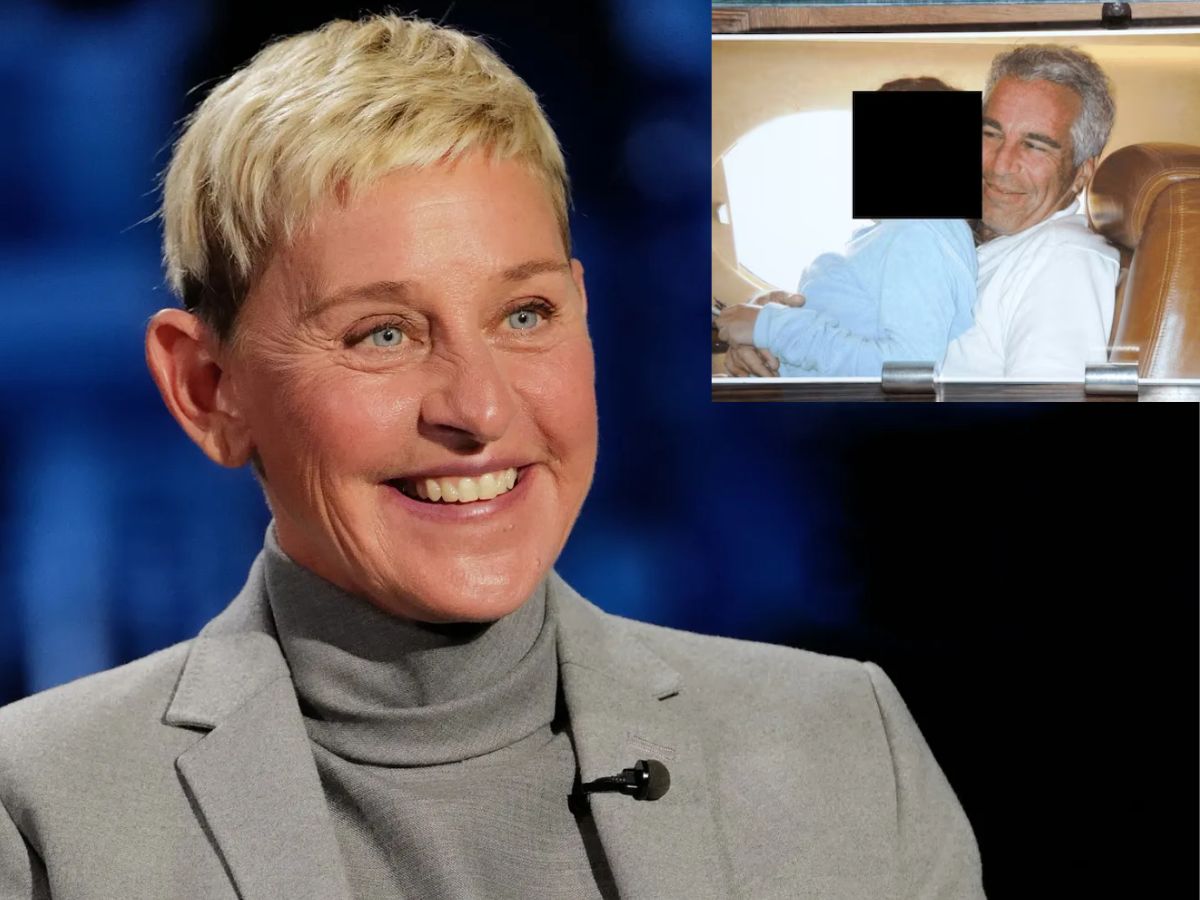
False Cannibalism Claims About Ellen DeGeneres Spread on Social Media
Sensational posts circulating on social media recently claimed that newly released Jeffrey Epstein files exposed former television host Ellen DeGeneres as a “cannibal who ate children’s flesh.” These viral claims, which began spreading on Valentine’s Day, garnered millions of views within days but have been thoroughly debunked by fact-checkers and analysts who found no credible evidence supporting such allegations.
The viral posts originated on X (formerly Twitter), with one user named Whiplash347 writing: “The Epstein files expose Ellen DeGeneres as Hollywood’s ‘most prolific cannibal.’ She ate children’s flesh.” Similar posts featured distorted images of DeGeneres’ face with inflammatory captions claiming the Epstein files had revealed shocking information about her.
Fact-checking organization PolitiFact traced the viral claim to The People’s Voice, a fringe website that published an article and an alleged audio “whistleblower” clip making extreme accusations. However, analysts using deepfake detection tools determined the audio was likely AI-generated rather than authentic testimony from a real insider.
While DeGeneres’ name does appear somewhere in the massive trove of Epstein-related documents released by the U.S. Department of Justice – which includes over 3 million pages of emails, images, and investigative materials – experts emphasize that being mentioned in these files does not imply guilt or criminal involvement. The references to DeGeneres appear to be largely incidental, appearing in third-party messages and media summaries rather than in connection to any wrongdoing.
Multiple independent fact-checkers examined the Epstein Library and found no evidence linking DeGeneres to cannibalism or any criminal behavior. Searches for terms like “Ellen DeGeneres” and “cannibal” revealed instances of these words appearing in the same large database but not in related contexts.
DeGeneres, an American comedian and actress, rose to fame in the 1990s with her sitcom before becoming one of television’s most recognized personalities as host of “The Ellen DeGeneres Show.” She has been a prominent voice for LGBTQ+ visibility and has appeared in numerous films and voice roles. In 2020, she ended her talk show amid workplace controversy but has continued her career in entertainment and business ventures.
Media experts note that claims involving celebrities and bizarre crimes often spread rapidly online due to algorithmic amplification of sensational content. Social media platforms tend to prioritize engagement, which can give rumors widespread visibility before verification occurs.
“The combination of the massive release of Epstein files and public fascination with conspiracy theories created perfect conditions for misinformation to flourish,” said one digital media analyst who requested anonymity. “Even when credible evidence is completely absent, shocking claims can reach millions of users within hours.”
This pattern of viral misinformation highlights ongoing challenges with information verification in the digital age. The Department of Justice’s Epstein files do not support any narrative connecting DeGeneres to cannibalism or Epstein’s criminal network, despite what social media posts claimed.
Fact-checkers advise the public to verify claims through reputable sources and approach sensational allegations with skepticism, particularly when they involve public figures and extraordinary accusations. The incident serves as a reminder that association in documents does not equate to guilt, and extraordinary claims require substantial evidence.
As social media platforms continue struggling with content moderation policies, this case demonstrates how quickly false information can spread when explosive claims intersect with public interest in high-profile legal matters.
Fact Checker
Verify the accuracy of this article using The Disinformation Commission analysis and real-time sources.

8 Comments
It’s troubling how quickly these false narratives can spread online. The viral reach of the initial posts is concerning, even if the claims were swiftly disproven. We need to be more critical consumers of information, especially on social media.
Absolutely. The speed and scale at which misinformation can propagate is a real challenge. Fact-checking organizations play a crucial role in debunking these types of rumors.
This serves as a reminder of the importance of rigorous journalism and the need to verify claims, even those related to high-profile individuals. Spreading unsubstantiated allegations can have serious consequences.
It’s concerning to see how quickly false information can spread, especially when it targets public figures. Fact-checking and media literacy are essential tools to combat the rise of misinformation.
While the Epstein case has uncovered many disturbing details, the alleged connection to Ellen DeGeneres appears to be nothing more than an unfounded conspiracy theory. We should be cautious about amplifying such inflammatory narratives.
Agreed. Maintaining a healthy skepticism towards sensational claims, especially those lacking credible evidence, is crucial in today’s information landscape.
Glad to see these baseless claims about Ellen DeGeneres have been thoroughly debunked. Spreading such sensational misinformation, especially around a high-profile figure, is irresponsible and dangerous.
Agreed. We should be vigilant about fact-checking before sharing these types of salacious stories, which often turn out to be fabrications or exaggerations.