


Listen to the article
El Paso’s Dust Storm Season Begins Earlier Than Spring, Research Shows
Dust storms in El Paso typically commence in February, well before the official start of spring, according to a comprehensive 2024 study conducted by Texas Tech University’s Department of Geosciences. Researchers analyzed 21 years of dust events across West Texas, providing valuable insights into these potentially hazardous weather phenomena.
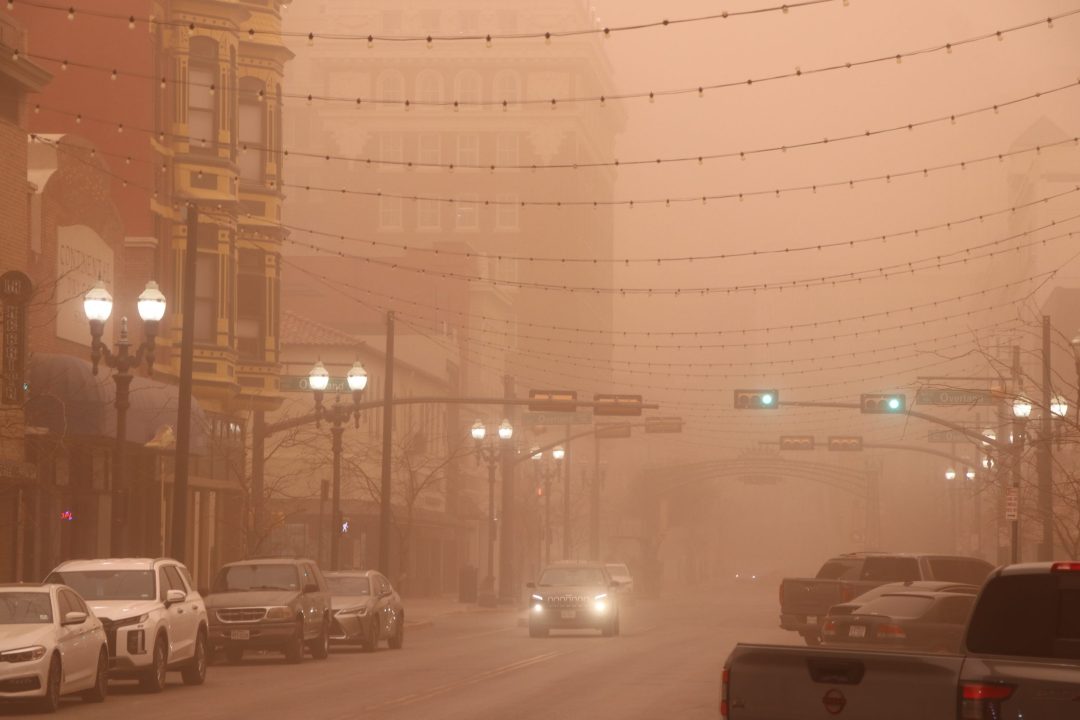
The National Weather Service characterizes dust storms as sudden events that often manifest as advancing walls of dust and debris, reducing visibility and creating dangerous driving conditions. While spring officially begins on March 20 in 2026 according to the U.S. Naval Observatory’s Astronomical Applications Department, El Paso residents should be prepared for dust events much earlier.
The Texas Tech study revealed that El Paso experiences an average of 22 dust events annually, with frequency notably increasing between March and June. This pattern highlights the seasonal nature of these meteorological events in the region’s arid climate.
Data from the National Weather Service confirms this trend, with six dust storms recorded in El Paso between March and June of 2025. These events can significantly impact transportation, outdoor activities, and public health, particularly for those with respiratory conditions.
Within the context of West Texas cities, El Paso ranked third in dust storm frequency. Lubbock topped the list with 29 annual events on average, followed by Midland with 26. This regional comparison demonstrates how the unique geography and climate conditions across West Texas create varying levels of vulnerability to dust storms.
The higher frequency in Lubbock and Midland likely relates to their locations in the Southern High Plains, an area particularly susceptible to wind erosion due to its flat topography and agricultural practices. El Paso’s position in the Chihuahuan Desert, with surrounding mountains that can sometimes channel winds, creates its own distinct pattern of dust events.
These dust storms pose numerous challenges for El Paso residents and businesses. Beyond reduced visibility on roadways, they can exacerbate respiratory conditions like asthma, contaminate outdoor equipment, and disrupt daily activities. Local emergency management officials regularly issue advisories when conditions are favorable for dust storms, recommending that residents with respiratory sensitivities remain indoors.
Climate researchers are closely monitoring whether changing weather patterns might affect the frequency or intensity of dust storms in the region. Some studies suggest that increasing temperatures and potential changes in precipitation patterns could lead to more arid conditions in parts of the Southwest, potentially increasing dust storm activity.
For El Paso residents, understanding the seasonal patterns of these events is crucial for preparation. The Texas Tech study provides valuable information that can help community members anticipate when these events are most likely to occur, allowing for better planning and risk mitigation measures.
Local authorities continue to work on prediction models and early warning systems to give residents adequate time to prepare for incoming dust storms, particularly during the peak months identified in the research.
As climate conditions evolve, ongoing monitoring and research will remain essential to understanding how dust storm patterns might change in El Paso and throughout the broader Southwest region in the years ahead.
Fact Checker
Verify the accuracy of this article using The Disinformation Commission analysis and real-time sources.

12 Comments
I’m curious to learn more about the factors driving the earlier onset of dust storm season in El Paso. Is it related to the region’s arid climate and weather patterns? Understanding the underlying causes could lead to better mitigation strategies.
That’s a good point. Analyzing the climatological and meteorological conditions that contribute to the early dust storms would be valuable. Proactive planning and preparedness are key.
This study on dust storms in El Paso is a great example of how scientific research can inform and empower local communities. By understanding the patterns and trends, residents and authorities can be better equipped to respond effectively. Looking forward to seeing how this knowledge translates into improved preparedness.
It’s concerning to see the number of dust storms increasing in recent years, as mentioned in the data from the National Weather Service. This could be an indicator of larger climate-related changes in the region. Continued monitoring and adaptation efforts will be crucial.
Absolutely, the potential link to broader climate trends is an important consideration. Tracking dust storm patterns over time will be crucial for understanding the scope of the challenge and developing effective long-term solutions.
I appreciate the comprehensive nature of this study, analyzing 21 years of dust event data across West Texas. This level of detail provides a robust foundation for understanding the regional dynamics and developing targeted mitigation strategies. Well-done to the Texas Tech researchers.
The earlier onset of dust storm season in El Paso, compared to the official start of spring, is an important finding. It highlights the need for proactive planning and communication to ensure residents and businesses are prepared. Kudos to the National Weather Service for their ongoing monitoring and reporting efforts.
Agreed, the advance notice provided by the research and weather service data is invaluable. It allows the community to take the necessary precautions and minimize the potential impacts of these disruptive weather events.
The fact that El Paso experiences an average of 22 dust events per year is quite striking. This highlights the significance of the issue and the need for robust emergency response protocols. Kudos to the researchers for bringing this important data to light.
The research finding that dust storms often manifest as advancing walls of dust and debris, reducing visibility and creating dangerous driving conditions, is a sobering reminder of the real-world impacts. Raising public awareness and promoting safe driving practices during these events is critical.
Interesting research on the dust storm patterns in El Paso. It’s good to know the season starts earlier than spring, so residents can be better prepared. Dust storms can be quite hazardous, so this information is valuable.
Agreed, having detailed data on the frequency and timing of these events is crucial for public safety. The Texas Tech study provides helpful insights.