


Listen to the article
In a striking example of online misinformation, claims that former Philippine President Rodrigo Duterte has been released from International Criminal Court (ICC) detention have been debunked as false. These fabricated reports began circulating after a controversial appearance by Japanese national Fujiki Shunichi at a United Nations Human Rights Council (UNHRC) session on March 11.
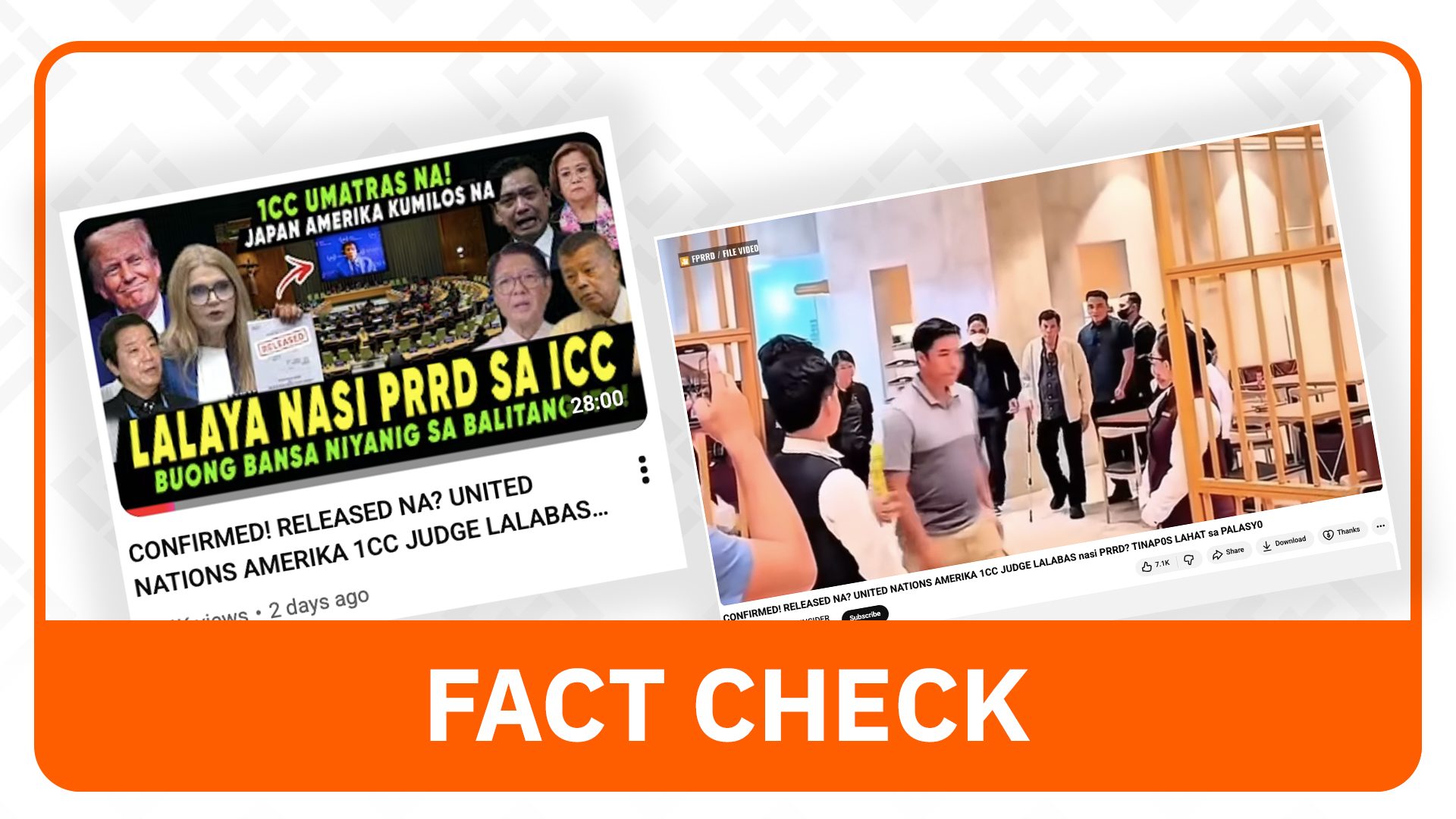
The misleading content appeared in a YouTube video posted on March 16, which has garnered over 85,000 views and 6,300 likes. The video bore a sensationalist title suggesting Duterte’s confirmed release, with a thumbnail declaring “PRRD released from the ICC. The whole country was shocked by this news!”
Contrary to these claims, Duterte remains in ICC detention in Scheveningen, The Hague, Netherlands. On March 6, an ICC appeals chamber rejected a request for his temporary release. This decision followed an earlier ruling on October 10, 2025, when the ICC’s pre-trial chamber also denied Duterte’s petition for interim release.
The ICC’s decision was based on three risk factors they believe are present in Duterte’s case: potential flight risk, possible witness intimidation, and risk of reoffending. Under ICC protocols, a suspect cannot be temporarily released if these concerns exist.
A critical misunderstanding in these false claims involves the relationship between the ICC and the UN. While Fujiki did speak at a UNHRC session calling for Duterte’s release, his statements hold no authority over ICC proceedings. The ICC, though it maintains a cooperation agreement with the United Nations, operates as an independent international organization outside the UN system.
Human rights experts have raised serious concerns about Fujiki’s credibility. Carlos Conde, a veteran human rights advocate and former journalist, clarified in a March 17 blog post that “Fujiki is not a human rights researcher.” Conde described him as “a Japanese nationalist activist and businessman” who has spent years attempting to deny wartime sexual slavery during World War II, with methods that scholars have compared to Holocaust denial.
The misleading content appears to exploit Fujiki’s appearance at the UNHRC to fabricate a narrative about Duterte’s case. The International Career Support Association (ICSA), mentioned in connection with Fujiki, lacks the authority to influence ICC judicial decisions.
This incident represents part of a broader pattern of misinformation surrounding Duterte’s ICC case. Fact-checking organizations have previously debunked multiple false claims about his alleged release and return to the Philippines.
The spread of such misinformation highlights the challenges of media literacy in the digital age, particularly regarding complex international legal proceedings. The ICC case against Duterte relates to alleged human rights violations during his administration’s controversial war on drugs, which has drawn international scrutiny and remains a politically divisive issue in the Philippines.
Media outlets and social media users are encouraged to verify information through official channels and recognized news sources before sharing content about high-profile international cases, particularly those involving the ICC, which handles some of the most serious crimes of international concern.
Fact Checker
Verify the accuracy of this article using The Disinformation Commission analysis and real-time sources.

8 Comments
Fact-checking is essential to counter the spread of misinformation, especially around high-profile legal cases. I’m glad reputable sources have debunked the false claims of Duterte’s release. Maintaining the integrity of the ICC proceedings is crucial.
The ICC’s decision to keep Duterte detained is understandable given the serious nature of the allegations against him. However, the process must remain fair and transparent to uphold the principles of international law. I’ll be following this case closely.
This case highlights the complexities of international criminal justice. While the allegations against Duterte are grave, the ICC must ensure a fair process. I’m curious to see how the trial progresses and whether it can achieve meaningful accountability.
This case underscores the importance of the ICC’s work in holding leaders accountable for human rights abuses. While the details are complex, the court’s focus on potential risks seems justified. I hope the trial can provide meaningful justice for victims.
This is a concerning development regarding the former Philippine president. It’s important that the ICC proceedings continue in a fair and transparent manner, ensuring justice is served. I’m curious to learn more about the specific risk factors the ICC cited in denying his release.
The continued detention of Duterte by the ICC is a significant development in this high-profile case. I’m curious to learn more about the specific factors the court considered in its decision-making process. Upholding the rule of law is crucial, even for former heads of state.
The ICC’s decision to keep Duterte detained seems justified based on the potential risks outlined. Witness intimidation and the possibility of reoffending are serious concerns that need to be addressed. I hope the trial can move forward efficiently while upholding due process.
I agree, the ICC’s caution is understandable given Duterte’s record. It’s critical that international courts maintain their credibility and independence, even when dealing with high-profile figures.