


Listen to the article
Public Warning: DSWD Alerts Filipinos to Cash Aid Scams on Social Media
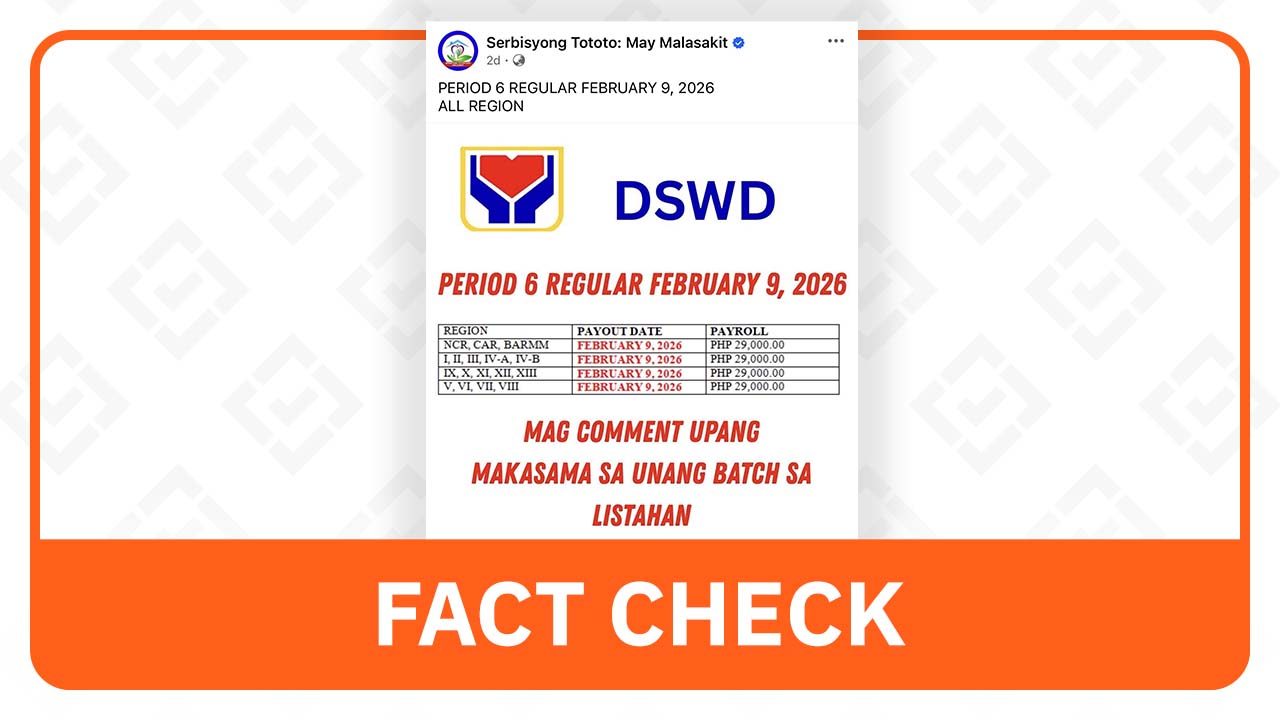
The Department of Social Welfare and Development (DSWD) has issued an urgent warning about fraudulent social media posts claiming to offer Filipinos P29,000 in government cash assistance. These scams, which have proliferated across Facebook in recent weeks, ask users to comment on posts to “be included in the first batch” of aid recipients.
Multiple Facebook posts making these false promises appeared on February 2, with one garnering over 2,800 reactions, 2,800 comments, and 200 shares, while another received more than 1,800 reactions, 1,700 comments, and 190 shares. The posts typically display the DSWD logo, creating an appearance of legitimacy that has misled thousands of social media users.
“These posts are completely fraudulent,” said DSWD Assistant Secretary Irene Dumlao in a statement released February 3. “The department does not randomly select beneficiaries through text messages or private chat, nor do we ever ask the public to provide sensitive personal information to receive assistance.”
One particularly concerning aspect of this scam is the involvement of a Facebook page called “Serbisyong Totoo: May Malasakit,” which has amassed over 427,000 followers and displays a blue checkmark from Meta. This verification badge, once reserved for official accounts and public figures, became available to anyone willing to pay for a monthly subscription when Meta changed its verification policies in 2023. The page consistently posts misleading content claiming to provide official updates on government subsidies.
The DSWD emphasized that all legitimate government aid programs operate through established channels and follow systematic protocols. Genuine assistance programs, such as the Pantawid Pamilyang Pilipino Program and Assistance to Individuals in Crisis Situations, are implemented in coordination with partner agencies and local government units through clearly defined processes.
“All official announcements regarding DSWD programs are released only through our verified channels,” Dumlao clarified. “If an offer sounds too easy or asks for sensitive information, that is already a red flag.”
These scams represent a growing trend in the Philippines, where social media is increasingly used to target vulnerable populations seeking financial assistance. The tactics often involve creating convincing-looking government posts that request personal information or engagement, which can then be used for identity theft or to boost the reach of fraudulent pages.
Cybersecurity experts note that these types of phishing attempts have become more sophisticated, particularly during times of economic hardship when people are more likely to seek government support. The blue verification checkmark, now available through paid subscriptions, adds another layer of deception that makes it harder for users to distinguish between legitimate government communications and scams.
The DSWD has urged victims of such scams to report incidents to the Philippine National Police Anti-Cybercrime Group and to notify the department through its official communication channels. The agency continues to monitor social media for fraudulent posts impersonating government programs.
This isn’t the first time such scams have targeted Filipinos. Fact-checking organizations have previously debunked numerous false claims regarding government cash assistance and bogus online registration links, particularly those related to DSWD programs.
As online scams continue to evolve, authorities recommend that citizens verify any offers of government assistance by visiting official websites, calling published government phone numbers, or visiting local DSWD offices before providing any personal information or engaging with social media posts promising financial aid.
Fact Checker
Verify the accuracy of this article using The Disinformation Commission analysis and real-time sources.

12 Comments
The DSWD’s warning about these fraudulent cash aid posts is a responsible move. Filipinos should be very wary of any unsolicited social media offers of government money, and instead seek information directly from the department.
It’s unfortunate that scammers are taking advantage of people’s financial struggles during this time. The DSWD’s swift action in calling out these fake cash aid posts is commendable and will hopefully protect vulnerable Filipinos.
This is a concerning scam targeting vulnerable Filipinos. I’m glad the DSWD is quickly warning the public about these false promises of cash aid. It’s critical that people stay vigilant and only trust official government sources for assistance programs.
Absolutely, these types of scams can take advantage of people in difficult economic times. Kudos to the DSWD for moving swiftly to get the word out and protect citizens.
It’s disappointing to see bad actors trying to exploit people’s need for financial support. Kudos to the DSWD for the public warning – this type of disinformation can cause real harm and should be shut down quickly.
These fraudulent social media posts are concerning, as they seem designed to steal personal information under the guise of a government cash aid program. I’m glad the DSWD is taking this seriously and alerting the public.
Yes, the DSWD is right to be proactive in warning about this scam. Social media users should always verify the source of any claims about government assistance before providing any personal details.
This is a clear example of the need for vigilance when it comes to social media claims, especially around sensitive topics like government assistance. Kudos to the DSWD for the proactive public warning.
Agreed. It’s critical that the public only trusts official government sources for information on aid programs to avoid falling victim to these kinds of scams.
These fake social media posts promising government cash assistance are extremely concerning. I’m glad the DSWD is taking swift action to alert the public and shut down this scam. Staying vigilant against disinformation is so important.
Yes, the DSWD is right to quickly address this issue. Scams like this can cause real harm, so it’s critical that the public only trusts official government channels for information on assistance programs.
Fraudulent social media posts offering government cash aid are a serious problem that can take advantage of vulnerable people. I commend the DSWD for proactively warning the public about these scams.