


Listen to the article
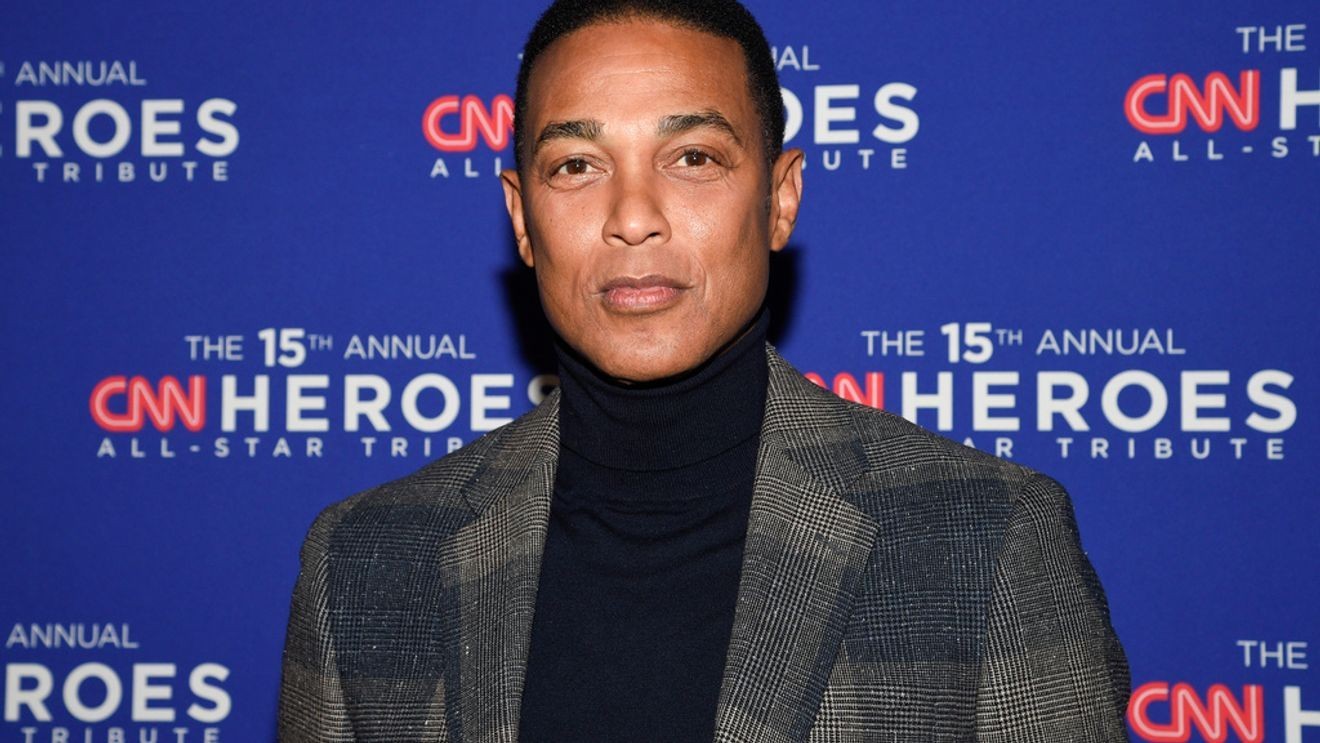
In an unusual legal development, former CNN anchor Don Lemon faces federal charges under a law originally designed to protect abortion clinics, raising significant questions about the statute’s scope and its potential conflict with First Amendment protections.
Federal prosecutors have charged Lemon and other protesters under the Freedom of Access to Clinic Entrances Act (FACE Act) following their entry into a Minnesota church during an anti-Immigration and Customs Enforcement (ICE) demonstration. The case marks a notable expansion in how the 1994 law is being applied.
The FACE Act emerged during a period of escalating violence against abortion providers in the early 1990s. Congress passed the legislation to create federal protections for those seeking or providing reproductive health services by prohibiting force, threats, or physical obstruction aimed at intimidating or interfering with such services.
However, the law’s protections extend beyond abortion clinics. A lesser-known provision explicitly safeguards religious worship, making it illegal to intentionally disrupt religious services or damage places of worship. This dual protection means the statute applies equally to churches, synagogues, mosques and other religious facilities.
Legal experts note that the FACE Act has withstood numerous challenges since its enactment. Early court decisions established important precedents about its application, particularly regarding what constitutes a violation. The case of U.S. v. Brock proved pivotal, as it confirmed that physical obstruction alone—without actual violence—can constitute a FACE Act violation.
“The courts have consistently upheld the constitutionality of the FACE Act when it comes to protecting access to abortion services,” said Constitutional law professor Eleanor Marsh in a recent interview. “But applying it to journalists covering protests inside religious spaces introduces new legal questions that haven’t been thoroughly tested.”
While the law has primarily been associated with abortion clinic protection, the Department of Justice has occasionally used it in cases involving religious institutions. Previous prosecutions have typically focused on incidents of vandalism or clear intimidation targeting worshippers.
The Lemon case differs significantly because it involves a high-profile journalist who claims he was present as an observer, not a participant. His legal team argues that he attended the demonstration in his capacity as a reporter, exercising his First Amendment right to cover newsworthy events.
“This prosecution threatens to criminalize legitimate newsgathering activities,” said Martin Klein, a media law attorney not involved in the case. “There’s a long tradition of journalists embedding with protesters to document events of public interest, and the courts have generally recognized this as protected activity.”
The Justice Department has countered that mere presence during the disruption of religious services can constitute interference under the statute, regardless of journalistic intent. Prosecutors argue that the protesters’ collective actions prevented worshippers from exercising their religious freedoms.
Legal observers suggest the case could eventually reach appellate courts, as it requires balancing competing constitutional interests: religious freedom protections versus press freedoms and the right to protest.
The charges come amid increased political tensions surrounding immigration policy and growing debates about the boundaries of protest. ICE enforcement actions have been particularly controversial, with demonstrations occurring in various settings, including places of worship that have sometimes provided sanctuary to undocumented immigrants.
As the case proceeds, it will likely establish important precedent regarding the FACE Act’s application to journalists covering contentious political events in religious settings. The outcome could significantly impact how reporters navigate coverage of protests that intersect with religious spaces in the future.
For Lemon, who previously worked at CNN before pursuing independent journalism ventures, the case represents both personal legal jeopardy and a potentially landmark First Amendment test. If convicted under the FACE Act, penalties could include substantial fines and imprisonment.
Fact Checker
Verify the accuracy of this article using The Disinformation Commission analysis and real-time sources.

10 Comments
This is an interesting case that highlights the evolving application of the FACE Act. Its original intent was to protect abortion clinics, but it seems the law has now been expanded to cover religious institutions as well. It will be important to see how the courts interpret the boundaries of this statute and whether it conflicts with First Amendment rights.
You raise a good point. The First Amendment protections around free speech and assembly will likely be a key factor in how this case is resolved.
Charging protesters under the FACE Act for disrupting a church service seems like a questionable use of the law. While I understand the intent to protect religious institutions, this feels like it could infringe on First Amendment rights around peaceful assembly and free speech.
You make a fair point. The courts will need to carefully examine whether applying the FACE Act in this way is constitutional or an overreach of the law’s intended purpose.
This is an interesting legal development that touches on some fundamental rights and freedoms. I’ll be curious to see how the courts navigate the balance between protecting religious institutions and upholding the right to free speech and assembly.
It’s concerning to see the FACE Act being used in this way against protesters in a church. While maintaining access to religious services is important, this seems like it could set a dangerous precedent for restricting political dissent and free speech.
The use of the FACE Act in this situation involving a church protest seems like a bit of a stretch. While I understand the law’s intent to protect access to religious services, applying it to a political demonstration inside a house of worship seems like it could set a concerning precedent.
I agree, the expansion of this law to cover political protests in churches is concerning and may need to be re-evaluated by the courts.
This is a complex legal issue that highlights the tension between the right to protest and the right to practice religion freely. It will be interesting to see how the courts balance these competing interests in their interpretation of the FACE Act.
The expansion of the FACE Act to cover protests in churches raises some valid questions. While the law aims to protect religious freedom, applying it to political demonstrations may cross a line when it comes to First Amendment rights. This case will be an important test of how the courts interpret the boundaries of this statute.