


Listen to the article
A federal law originally passed to protect abortion clinics is now at the center of a high-profile legal fight involving a well-known journalist.
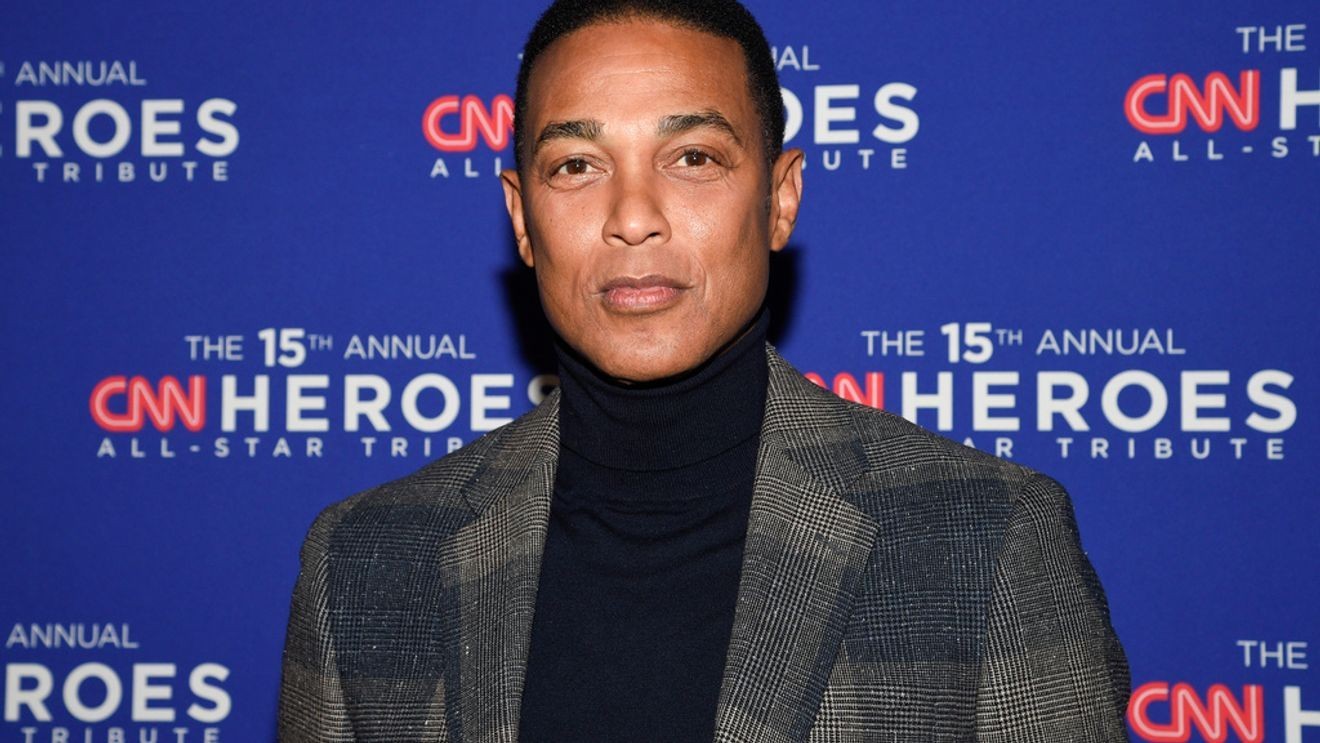
Protesters, including former CNN anchor Don Lemon, who entered a church in Minnesota during an anti-Immigration and Customs Enforcement (ICE) demonstration have been federally charged under the Freedom of Access to Clinic Entrances Act, commonly known as the FACE Act. The case has sparked considerable debate about the scope of the law and its potential conflict with First Amendment protections.
The FACE Act, enacted by Congress in 1994, was initially created in response to escalating violence, threats, and blockades targeting abortion providers nationwide. According to the U.S. Department of Justice, the legislation prohibits using force, threats, or physical obstruction to injure, intimidate, or interfere with individuals seeking or providing reproductive health services.
However, the law’s protections extend beyond abortion clinics. The statute also explicitly safeguards religious worship, making it illegal to intentionally interfere with religious services or to damage places of worship such as churches, synagogues, mosques, and other religious facilities.
Legal experts note that the FACE Act’s application to Lemon’s case represents a significant expansion of how the law has traditionally been enforced.
“This case pushes the boundaries of the FACE Act in ways we haven’t seen before,” said Eleanor Bartlett, a constitutional law professor at Georgetown University. “The statute was designed with clear intentions regarding protecting both healthcare access and religious freedom, but applying it to journalists covering protests adds a complex new dimension.”
Since its inception, courts have primarily tested the FACE Act in cases involving abortion clinic blockades. A landmark case, U.S. v. Brock, established that physical obstruction alone can constitute a violation, regardless of whether there was intent to cause harm. The courts made it clear that violence is not a prerequisite for prosecution under the statute.
Cases involving religious sites under the FACE Act have been less common but do exist in legal precedent. Federal courts have previously upheld charges in cases involving vandalism or intimidation directed at churches when the conduct was specifically designed to frighten worshippers or prevent access to religious services.
Lemon’s defense team has presented a novel argument that could potentially reshape how the law is interpreted. His attorneys contend that he was present at the church solely in his capacity as a journalist covering the anti-ICE protest, not as an organizer or participant. They argue that applying criminal charges to a reporter in this context raises serious First Amendment concerns regarding press freedom and the ability to report from politically sensitive or controversial locations.
Media rights advocates have expressed concern about the implications of the case. “Journalists must be able to document protests and civil disobedience without fear of prosecution,” said Samantha Rollins, director of the Press Freedom Institute. “Otherwise, we risk creating a chilling effect that prevents the public from being informed about significant political movements.”
The Department of Justice has maintained that the law applies regardless of journalistic intent, arguing that physical presence during an obstruction is sufficient for charges under the statute.
Legal analysts suggest this case could establish important precedent for where courts draw the line between protected newsgathering activities and conduct that prosecutors consider unlawful interference. The outcome may have far-reaching implications for journalists covering controversial protests, particularly those occurring at locations explicitly protected by the FACE Act.
As the case proceeds through the federal court system, it highlights the ongoing tension between religious liberty protections, freedom of the press, and the government’s interest in maintaining order at protected facilities. The ruling could significantly impact how journalists approach coverage of demonstrations at religiously affiliated locations in the future.
Fact Checker
Verify the accuracy of this article using The Disinformation Commission analysis and real-time sources.

14 Comments
The FACE Act was intended to address a specific problem, but its use in this context seems like a stretch. I’m curious to see how the courts navigate the complex legal and constitutional issues at play.
You’re right, the application of the FACE Act to a church protest is a significant departure from its original purpose. The courts will have to examine whether this use of the law is justified or an overreach.
I’m curious to learn more about the specific details of this case and the arguments being made by both sides. The intersection of federal law and First Amendment rights is always a sensitive issue.
Yes, the nuances of how the FACE Act is applied in this context will be critical. It will be interesting to see how the courts navigate the competing principles at play.
This case highlights the ongoing debate over the balance between individual liberties and government authority. The outcome could set an important precedent for how the FACE Act is interpreted and applied moving forward.
Absolutely. The courts will need to carefully consider the nuances of this case and ensure that any application of the FACE Act does not unduly infringe on constitutionally protected rights.
This case raises important questions about the appropriate scope and application of the FACE Act. While protecting access to religious services is important, the law’s potential impact on free speech and assembly should not be overlooked.
Absolutely. The courts will need to carefully weigh the government’s interest in maintaining public order against the fundamental rights enshrined in the Constitution. This case could have far-reaching implications.
The FACE Act was designed to protect abortion clinics, but its application to a church protest raises complex questions about how the law should be interpreted. This case could have broader implications for civil liberties.
Agreed. The expansion of the FACE Act beyond its original intended purpose is concerning and warrants close examination. The outcome of this case could set an important precedent.
While the FACE Act was created to protect access to reproductive health services, its use in this church protest case raises legitimate concerns about overreach and potential infringement on free speech and assembly. The legal arguments on both sides will be fascinating to follow.
Well said. This case highlights the complexities involved when federal laws intersect with fundamental civil liberties. The courts will have to strike a delicate balance in their interpretation and application of the FACE Act.
This is an interesting legal case that highlights the potential tension between the FACE Act and First Amendment protections. It will be important to follow the details and see how the courts interpret the scope of the law.
You raise a good point. The balance between protecting access to religious services and upholding free speech rights is a delicate one that the courts will need to carefully consider.