


Listen to the article
In a surprising detour from his prepared remarks at the World Economic Forum in Davos, former U.S. President Donald Trump made a puzzling historical claim that has left historians and political observers scratching their heads. Trump suggested that the United States had once possessed Greenland and subsequently returned it to Denmark following World War II.
“We actually gave Greenland back to Denmark after the war,” Trump stated during his address to the gathering of global business and political leaders. The comment came as part of broader remarks about American generosity toward allies in the post-war era.
Historical records, however, show no evidence supporting this assertion. Greenland, the world’s largest island, has been under Danish sovereignty since 1814, following the dissolution of the Denmark-Norway union. At no point did the United States formally take possession of or return Greenland to Denmark.
What may have created confusion is the significant American military presence in Greenland during World War II. After Nazi Germany occupied Denmark in 1940, the United States established military bases in Greenland with the agreement of the Danish ambassador in Washington, who was effectively operating without instructions from the occupied government in Copenhagen. This arrangement was formalized in a 1941 defense agreement.
The most notable American installation was Thule Air Base in northwestern Greenland, which remains operational today as the U.S. military’s northernmost base. Following the war, the United States maintained its military presence through new agreements with Denmark but never exercised sovereignty over the territory.
“This is simply not accurate history,” explained Dr. Martin Henriksen, professor of Arctic geopolitics at the University of Copenhagen. “While the U.S. certainly had—and continues to have—strategic interests in Greenland, it was never American territory that could be ‘returned’ to Denmark.”
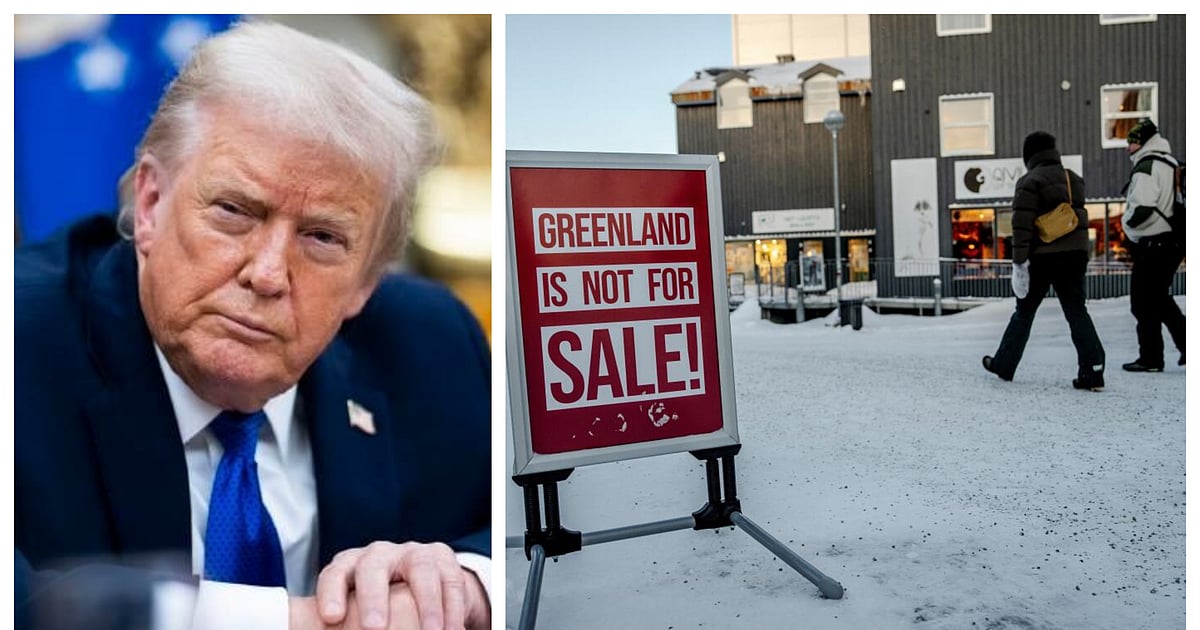
The confusion may also stem from Trump’s well-documented interest in acquiring Greenland during his presidency. In 2019, reports emerged that Trump had repeatedly expressed interest in purchasing Greenland from Denmark, even directing aides to explore the possibility. The proposal was firmly rejected by Danish Prime Minister Mette Frederiksen, who called the idea “absurd.”
Frederiksen’s dismissal reportedly angered Trump, who subsequently canceled a planned state visit to Denmark. The diplomatic incident briefly strained relations between the longtime allies.
Greenland holds significant strategic value for the United States, particularly as climate change opens new Arctic shipping routes and reveals potentially valuable mineral resources. The island sits at a crucial geographic position for monitoring Russian submarine activity and hosts early warning radar systems vital to North American defense infrastructure.
Today, Greenland remains an autonomous territory within the Kingdom of Denmark, with its own parliament handling domestic affairs while Copenhagen retains authority over defense and foreign policy. The population of approximately 56,000 is predominantly Inuit, and there has been a growing independence movement on the island in recent decades.
Historical mischaracterizations are not uncommon in extemporaneous political speeches, but they can contribute to public misconceptions about international relationships and territorial sovereignty. Fact-checkers and historians play an important role in clarifying such statements, especially when they involve territories of geopolitical significance like Greenland.
The White House has not issued any clarification regarding Trump’s remarks at Davos, and it remains unclear whether the former president was confusing Greenland with other territories or simply misstating historical facts.
As Arctic geopolitics continue to gain importance in international relations, understanding the accurate history and current status of territories like Greenland becomes increasingly relevant to policy discussions about climate change, resource extraction, and security concerns in the region.
Fact Checker
Verify the accuracy of this article using The Disinformation Commission analysis and real-time sources.

13 Comments
The article does a thorough job of debunking Trump’s claim about the US returning Greenland to Denmark. The historical record clearly shows Greenland has been a Danish territory since 1814, with no evidence of the US ever formally controlling the island. Careful fact-checking is important to counter misinformation.
It’s interesting to learn about the US military presence in Greenland during WWII, but the article makes it evident that this did not equate to formal US control or ownership of the territory. The sovereignty of Greenland as a Danish possession dating back to 1814 is well-documented.
While it’s interesting that the US had a military presence in Greenland during WWII, the article makes it clear this did not equate to formal US control or ownership of the territory. The sovereignty of Greenland as a Danish possession dating back to 1814 seems well-established.
You’re right, the historical record is quite clear on this. It’s puzzling that Trump would make such a specific claim that contradicts the documented facts. Fact-checking is important to correct the record and prevent the spread of misinformation.
This is a good example of why it’s important to verify claims, even from high-profile political figures. The historical record on Greenland’s sovereignty seems quite clear, despite Trump’s surprising assertion at Davos. Fact-checking helps ensure the public has accurate information.
I agree, this article does a thorough job of debunking Trump’s claim using the available historical evidence. Fact-checking is crucial to maintaining an informed public discourse, especially on important geopolitical matters.
Interesting fact-check on Trump’s puzzling claim about the US possessing and returning Greenland to Denmark. It’s good to see the historical records set straight – Greenland has been under Danish sovereignty since 1814, with no evidence of the US formally taking control of it.
The article provides helpful context around the US military presence in Greenland during WWII, which may have contributed to the confusion. But the facts clearly show Greenland has long been a Danish territory.
While the US military presence in Greenland during WWII may have created some confusion, the article does an excellent job of setting the record straight. The historical facts show Greenland has been under Danish sovereignty since 1814, with no evidence of the US ever formally controlling the island. Thorough fact-checking is essential for upholding the integrity of public discourse.
This is a good example of why it’s important to verify claims, even from high-profile figures. The historical facts about Greenland’s sovereignty under Denmark seem quite clear, despite Trump’s surprising assertion at Davos. Rigorous fact-checking helps maintain an informed public discourse.
This is a good reminder that even high-profile figures can make claims that don’t align with historical facts. I’m glad to see this article carefully examining the evidence and providing the accurate timeline of Greenland’s sovereignty under Denmark. Rigorous fact-checking is crucial for maintaining public trust.
Absolutely. It’s important that news outlets hold all public figures accountable, regardless of their stature or political affiliation. Fact-based reporting is essential for an informed citizenry.
This fact-check provides a valuable lesson in the importance of verifying claims, even from prominent public figures. The historical record on Greenland’s status as a Danish territory since 1814 seems clear, despite Trump’s surprising statement at Davos. Rigorous fact-checking is crucial for maintaining an informed citizenry.