


Listen to the article
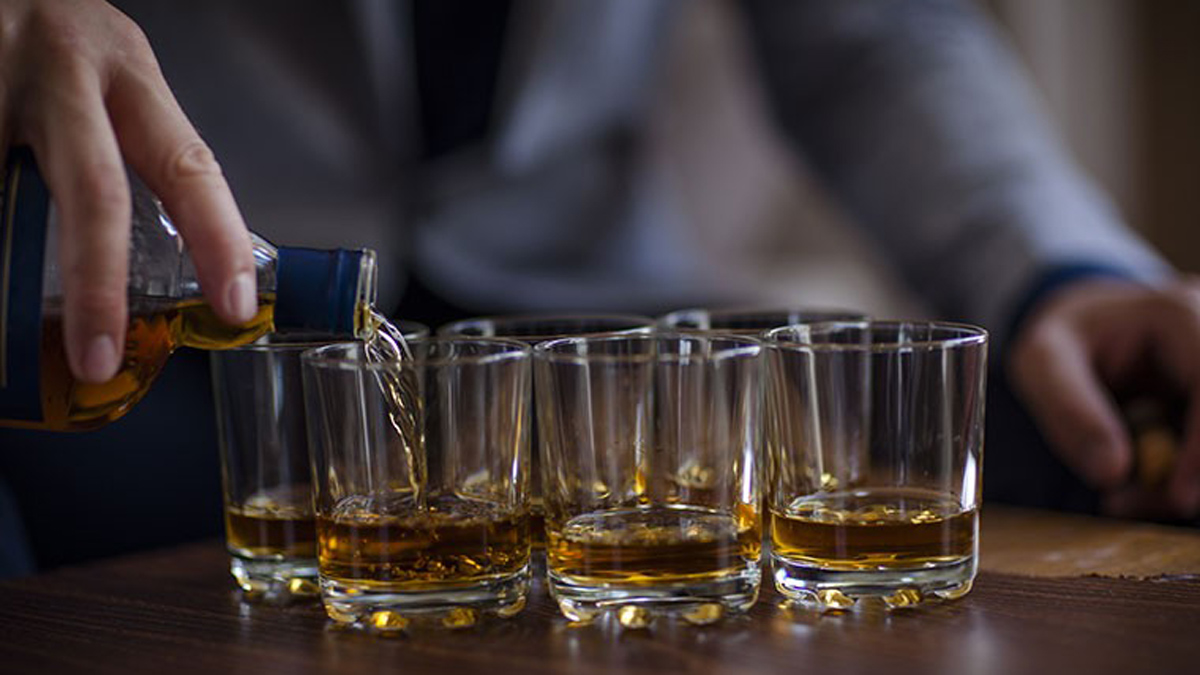
The scientific findings surrounding alcohol’s effects on body temperature have challenged a longstanding winter belief held by many who reach for alcoholic beverages, particularly rum, to combat cold weather. Recent viral discussions have brought this misconception back into public discourse, with health experts pointing to substantial evidence that alcohol does not effectively warm the body despite the sensation it creates.
A popular Instagram video by dietician Bhawesh Gupta, who has over 718,000 followers, has reignited this conversation after garnering 285,000 views and thousands of shares. In his presentation, Gupta explains the physiological process behind the deceptive warming sensation people experience after consuming alcohol.
“Whenever you consume any alcoholic drink, the blood vessels near your skin dilate – a process called vasodilation,” Gupta notes in the video. “After drinking rum for some time, more blood flows near your skin, and you feel temporary warmth.”
This surface-level warming effect, however, masks a more dangerous reality. The increased blood flow to the skin actually leads to greater heat loss from the body’s core, potentially lowering internal temperature. More concerning is alcohol’s interference with the body’s natural temperature regulation mechanisms, which can lead to serious health consequences.
Dr. Rajiv Kovil, Head of Diabetology at Zandra Healthcare, confirms this scientific understanding. “You’re actually increasing the heat loss from your core,” he explains. “Alcohol does quite the opposite of keeping you warm.” He likens the body’s temperature regulation system to a thermostat that alcohol effectively disrupts.
Medical research supports these claims. One study highlighted alcohol as a leading cause of death in urban hypothermia cases. Researchers found that during extended exposure to cold conditions, particularly when combined with physical exertion, alcohol enhances heat loss from the body.
A randomized trial provided even more concrete evidence of this effect. Eight healthy male volunteers who consumed alcohol before immersion in cold water experienced a core temperature decrease of 1.0°C, compared to only 0.66°C in those who received a placebo. This significant difference demonstrates alcohol’s negative impact on maintaining body temperature in cold environments.
The physiological explanation involves multiple mechanisms. Alcohol delays shivering, which is one of the body’s natural responses to generate heat. It also increases urination (cold diuresis), reducing blood volume and physical capability. These combined effects can significantly impair the body’s ability to cope with cold stress.
A 2024 study examining alcohol’s impact on thermoregulation found that core body temperature was consistently lowered in the majority of studies that measured this parameter. Additionally, skin blood flow increased with alcohol consumption, further facilitating heat loss to the environment.
A particularly illustrative case report from 2025 described a 34-year-old man who developed hypothermia following binge drinking and dietary fasting. This case highlights the dangerous interplay between alcohol consumption and temperature dysregulation, even in relatively young, healthy individuals.
Beyond its effects on body temperature, the World Health Organization classifies alcohol as “a toxic, psychoactive, and dependence-producing substance” and a Group 1 carcinogen – placing it in the same risk category as tobacco and asbestos. WHO notes that alcohol consumption is linked to at least seven types of cancer, including bowel and breast cancer.
Health experts recommend safer alternatives for staying warm during cold weather, including consuming hot beverages like soups and teas, and incorporating warming spices into the diet. These methods provide genuine warmth without the deceptive and potentially dangerous effects of alcohol.
As winter approaches in many regions, this renewed scientific clarity around alcohol’s effects on body temperature serves as an important public health reminder: the warming sensation from alcoholic drinks is not only misleading but could potentially increase risk during cold weather exposure.
Fact Checker
Verify the accuracy of this article using The Disinformation Commission analysis and real-time sources.

14 Comments
Interesting to learn that alcohol doesn’t actually warm the body, despite the initial sensation. I wonder what other common winter myths may be debunked by science.
Yes, it’s important to separate perception from reality when it comes to winter remedies. Science can provide valuable insights.
Fascinating to see how social media can help spread both misinformation and accurate information on topics like this. Fact-checking is crucial, especially for health-related claims.
Absolutely. The viral video highlights how quickly misconceptions can spread, but also how platforms can be used to educate and debunk myths.
I’m glad to see this myth being addressed. While alcohol may provide a temporary sensation of warmth, the underlying core cooling effect is concerning, especially in cold weather conditions. Safety should be the priority.
Absolutely. It’s important for people to understand the science behind this misconception and not rely on anecdotal beliefs, especially when it comes to health and safety.
I’m glad to see this myth being addressed. Alcohol may provide a temporary illusion of warmth, but the underlying core cooling effect is concerning, especially in cold weather conditions.
Yes, it’s important for people to understand the science behind this myth. Relying on alcohol as a winter warming strategy could be dangerous.
This is a timely article given the onset of winter. It’s crucial that people have accurate information about the effects of alcohol in cold weather, rather than relying on long-held misconceptions.
Agreed. Debunking myths and providing factual information is essential, especially when it comes to health and safety. Science should be the guide.
Good to see experts weighing in on this long-held misconception. Alcohol may provide temporary relief, but the core cooling effect is concerning. Safety should come first in cold weather.
Agreed. Knowing the facts is crucial, especially when it comes to health and safety. Relying on anecdotal beliefs can be risky.
This is an important myth to debunk, especially with the onset of winter. I’m curious to learn more about the physiological mechanisms behind the warming sensation versus the actual core cooling.
The video explanation by the dietician seems to provide a clear understanding of the science behind the misconception. It’s always good to rely on expert knowledge.