


Listen to the article
AI-Generated Celebrity Jet Photos Flood Social Media in Global Misinformation Campaign
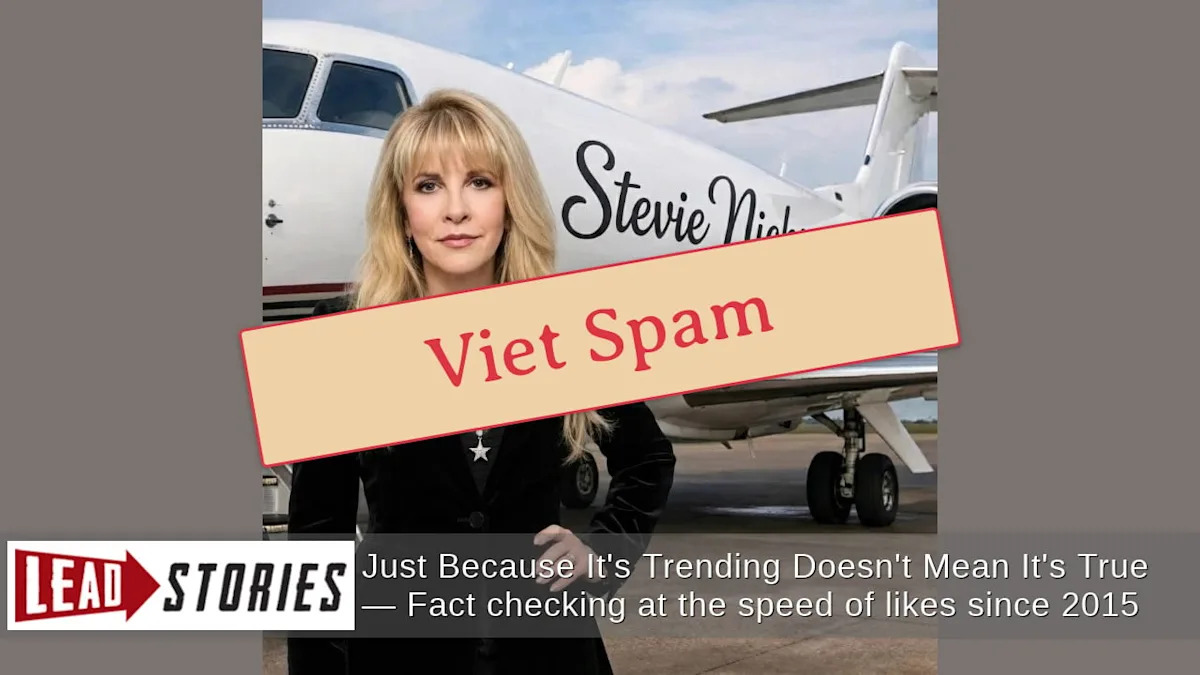
A sophisticated network of fake fan pages has been circulating fabricated images of celebrities posing with “$80 million private jets,” an investigation has revealed. These deceptive posts feature AI-generated images of stars like Stevie Nicks, Bob Dylan, and Barry Manilow alongside fictional controversies designed to generate clicks and engagement.
Digital forensics experts have traced many of these fraudulent pages to Vietnam, identifying what appears to be a coordinated misinformation operation. The Facebook page “Mystical Rhythms,” one of many spreading these false images, lists managers based in Vietnam according to its transparency report.
This connection is particularly noteworthy as fact-checkers have previously identified Vietnam as a major source of AI-generated false stories. The operation appears to be part of a broader pattern of misleading content originating from the region.
“These posts follow a distinct formula,” said a social media analyst familiar with the investigation. “They use nearly identical language across different celebrity pages, often with phrases like ‘Internet can’t process it’ alongside claims about $80 million jets.”
A thorough search of legitimate news sources revealed no credible reporting on Stevie Nicks or other targeted celebrities purchasing $80 million private jets. The stories exist exclusively within this ecosystem of fraudulent fan pages.
The deception goes beyond simple text fabrications. The operation utilizes artificial intelligence to create convincing but entirely fictional images. In many cases, the same AI-generated jet appears repeatedly across different posts, with only the celebrity and name decal changed to target different fan bases.
Among the extensive list of celebrities whose likenesses have been misappropriated in these fake posts are music legends, actors, and public figures from various entertainment sectors. The operation appears designed to capture the attention of diverse fan communities through targeted misinformation.
Digital media experts note that these fake fan pages employ sophisticated tactics to attract legitimate fans. They often mix genuine celebrity news and photos with fabricated content, making it difficult for casual users to distinguish between fact and fiction. The pages frequently use names that closely resemble official fan clubs or appreciation societies.
“What makes this particularly concerning is how these pages exploit fans’ trust and interest in their favorite celebrities,” noted one social media researcher. “People naturally want to engage with content about artists they admire, which makes them vulnerable to these deceptive practices.”
The campaign represents a growing trend in social media misinformation, where AI-generated images are increasingly difficult to distinguish from authentic photos. As artificial intelligence tools become more sophisticated and accessible, the challenge of identifying manipulated media continues to grow.
Fact-checkers have published guidance on identifying these fraudulent posts, nicknamed “Viet Spam” due to their origin. Key warning signs include sensationalist headlines, too-perfect images of celebrities, and engagement-baiting tactics that encourage sharing without verification.
Social media platforms have faced mounting pressure to address this type of coordinated misinformation. While some progress has been made in identifying and removing these networks, the scale and sophistication of these operations present ongoing challenges for content moderation systems.
For users concerned about encountering such content, experts recommend verifying celebrity news through official accounts or established news outlets before sharing. The presence of unusual phrasing, excessive exclamation points, or outlandish claims about wealth displays should serve as red flags that warrant further scrutiny.
As this investigation demonstrates, the intersection of artificial intelligence, social media, and celebrity culture has created fertile ground for misinformation campaigns with potential global reach.
Fact Checker
Verify the accuracy of this article using The Disinformation Commission analysis and real-time sources.

11 Comments
Wow, that’s a pretty elaborate misinformation campaign. It’s concerning how easily AI-generated content can spread false narratives these days. I wonder what the motivations are behind these fabricated celebrity jet photos?
Likely a tactic to drive engagement and generate clicks. Sad to see such blatant disinformation being spread, especially targeting public figures.
I’m curious to learn more about the connections to Vietnam and the broader patterns of misleading content from that region. Do we know if there are economic or political motivations behind these operations?
That’s a good question. The article mentions this seems to be part of a broader trend, so understanding the underlying drivers would be helpful. More research into the Vietnam link could shed light on the bigger picture.
Good to see this being debunked. It’s important we remain vigilant against the rising tide of AI-generated misinformation. Fact-checking and calling out these tactics is crucial.
Agreed. Spreading awareness about these techniques is the best way to counter their influence. We need to stay on top of emerging deception methods.
This is a good reminder that we can’t always trust what we see online, even when it seems to come from legitimate sources. Fact-checking and critical thinking are essential skills in the age of misinformation.
Absolutely. The proliferation of AI-generated content has made it much harder to discern truth from fiction. Staying vigilant and verifying information is key.
Interesting that the fraudulent pages seem to be following a distinct formula with similar language. That suggests a coordinated effort rather than isolated incidents. I wonder if there are any common threads we can trace between the different celebrity targets.
Good point. Identifying any patterns or connections between the targeted celebrities could provide valuable insights into the motives and methods behind this misinformation campaign.
It’s discouraging to see the scale and sophistication of these AI-driven disinformation efforts. But I’m glad to see fact-checkers and analysts working to expose and counter them. Staying informed and vigilant is crucial.