


Listen to the article
False Claims Circulate of Jeffrey Epstein Sighting in Tel Aviv
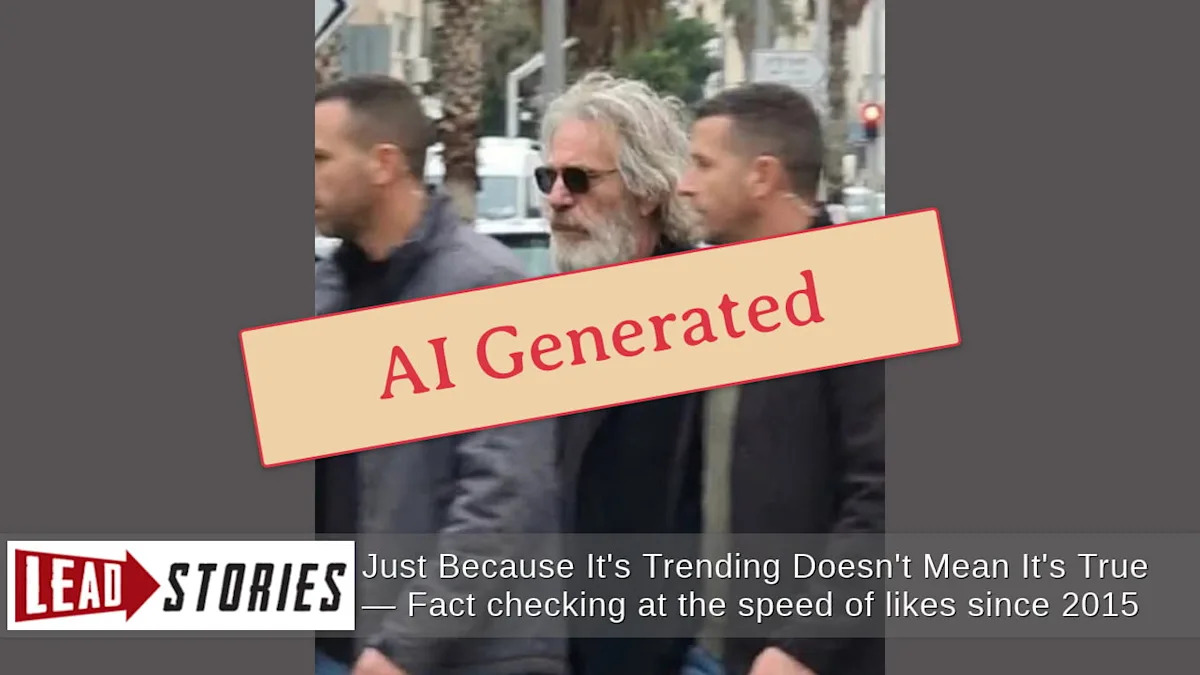
Social media users are sharing a deceptive image purportedly showing Jeffrey Epstein alive and walking through Tel Aviv in 2026, despite the convicted sex offender having died in 2019. Fact-checkers have confirmed the image is fabricated using artificial intelligence technology.
The digitally created photo shows a bearded man resembling Epstein walking down what appears to be a street in Tel Aviv, Israel. The image has been circulating on X (formerly Twitter) since early February, with users questioning if Epstein might still be alive.
“This is Epstein, isn’t it?” wrote one user who shared cropped versions of the image, while another posted the photo with text in Turkish claiming, “Epstein is still alive. His death is completely a lie… And on another island, the system continues.”
However, closer examination of the uncropped version reveals the distinctive diamond-shaped “Sparkle” watermark from Google’s Gemini AI in the lower right corner, a clear indicator that the image was generated using artificial intelligence rather than captured by a camera.
Epstein, a wealthy financier with connections to powerful business leaders and politicians, died in August 2019 while in custody at the Metropolitan Correctional Center in New York. Medical examiners ruled his death a suicide by hanging. He was awaiting trial on federal sex trafficking charges at the time of his death.
The circulation of AI-generated images purporting to show Epstein alive represents a troubling trend in misinformation. Such content exploits lingering public skepticism around Epstein’s death, which has been the subject of numerous conspiracy theories due to his connections with high-profile figures and circumstances surrounding his death while in federal custody.
This isn’t the first fabricated claim regarding Epstein since his death. The case continues to generate significant public interest due to his associations with prominent business leaders, politicians, and royalty, as well as the ongoing legal proceedings against his former associate Ghislaine Maxwell, who was convicted in 2021 on charges related to sex trafficking.
The emergence of AI-generated images like this one highlights the growing challenge of visual misinformation online. As AI image generation tools become more sophisticated and widely available, distinguishing between authentic photographs and fabricated content becomes increasingly difficult, particularly when images are deliberately cropped to remove identifying markers like watermarks.
Several fact-checking organizations including AFP Fact Check, Newschecker, and PolitiFact have investigated and debunked this particular claim, confirming that the image is AI-generated and that there is no credible evidence suggesting Epstein is alive.
Social media platforms have struggled to contain the spread of such misinformation, which often proliferates rapidly as users share content without verification. The Epstein case, with its mix of wealth, power, criminal allegations, and controversial death, provides particularly fertile ground for conspiracy theories and manufactured content.
Media literacy experts emphasize the importance of scrutinizing unusual or sensational claims, particularly those involving public figures at the center of conspiracy theories. Checking for visual inconsistencies, confirming information through multiple reliable sources, and being aware of AI-generation indicators like distinctive watermarks are essential practices in today’s digital information landscape.
As AI image generation technology continues to evolve, the challenge of distinguishing fact from fiction online will likely intensify, requiring increased vigilance from both platforms and users to prevent the spread of fabricated content masquerading as documentary evidence.
Fact Checker
Verify the accuracy of this article using The Disinformation Commission analysis and real-time sources.

10 Comments
This is a sobering example of how easily misinformation can spread in the digital age. The use of AI to create deceptive visuals is particularly troubling. We must all be more discerning consumers of online content to combat the rise of disinformation.
Absolutely. Developing critical thinking skills to spot AI-generated imagery is crucial in today’s media landscape.
It’s concerning to see how advanced AI-generated imagery has become. This serves as a reminder that we must always be vigilant in verifying the authenticity of visual information, especially when it involves controversial topics or individuals.
Agreed. The proliferation of AI-generated content is a serious challenge for maintaining truth and accountability online.
The ease with which AI can now fabricate realistic-looking images is really troubling. This case highlights the need for greater media literacy and critical thinking when consuming online content, especially related to high-profile figures.
This is a good example of why we should be skeptical of unverified claims, especially those involving controversial public figures. Fact-checking is crucial to avoid falling for digitally manipulated imagery and the spread of disinformation.
Absolutely. Fact-checking has become an essential skill in the digital age. It’s important to scrutinize the sources and look for signs of AI-generated content.
While the Epstein case is certainly a sensitive and complex one, spreading unverified claims and digitally manipulated images is not helpful. We need to rely on credible sources and fact-checking to ensure we’re not contributing to the spread of misinformation.
Interesting that AI technology can generate such deceptive images. I wonder how often these kinds of fabricated visuals are being used to spread misinformation. We need to be vigilant in verifying the authenticity of online content these days.
I agree, the use of AI to create false images is quite concerning. It’s a reminder that we can’t always trust what we see online.