


Listen to the article
Electricity Costs Surge Nationwide as Winter Approaches
WASHINGTON — Electricity costs are climbing across the United States, adding financial strain to household budgets as winter weather looms on the horizon.
According to the National Energy Assistance Directors Association (NEADA), the average American household will spend $995 on home heating this winter, an $84 increase compared to last year. The organization has also reported that residential electricity prices in 2025 have reached their highest level in a decade, with the average monthly electricity bill increasing by approximately 10% since January.
This upward trend in energy costs comes at a challenging time for many Americans already dealing with inflation in other sectors of the economy. The rising costs have sparked debate among policymakers about causes and potential solutions.
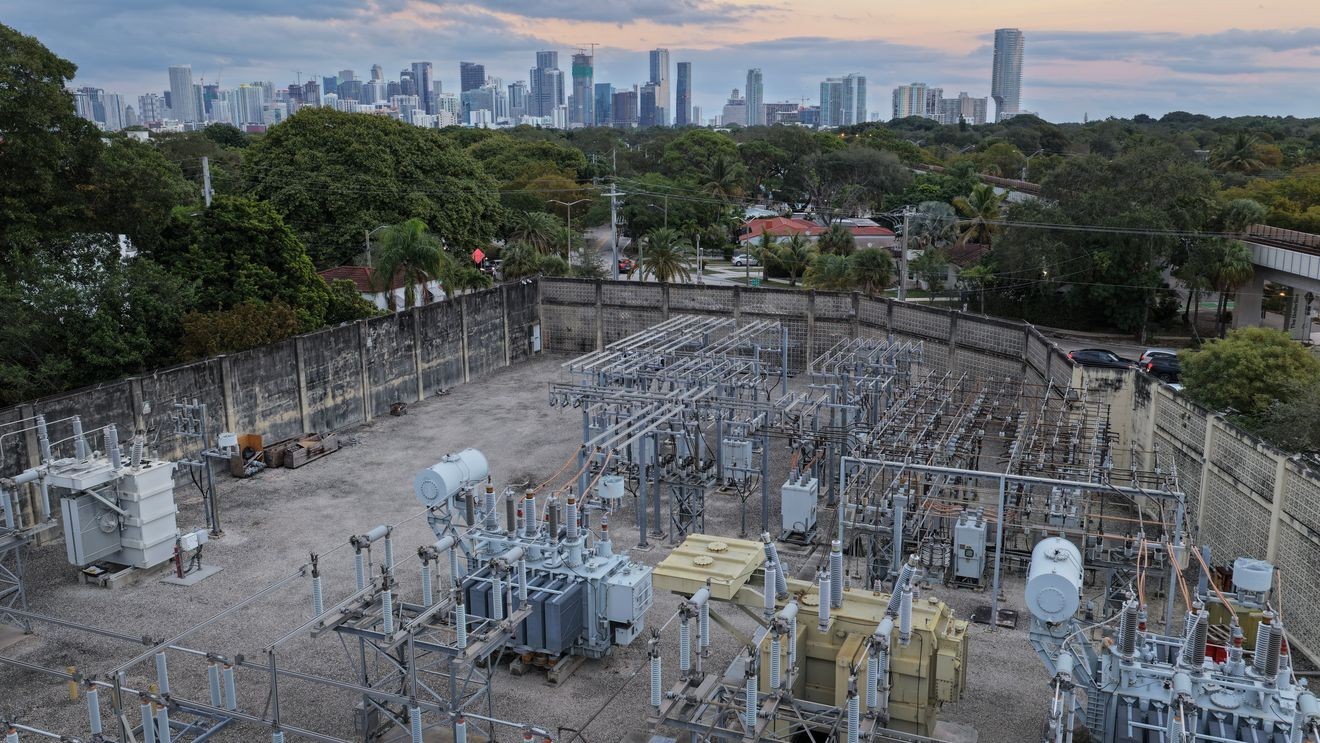
Multiple factors are driving the price increases, according to NEADA’s analysis. High interest rates have increased grid financing costs, while the power generation sector has become increasingly dependent on natural gas. Rising demand from data centers, aging infrastructure, and regional capacity shortfalls are also contributing to the problem.
The strain on the electrical grid has become a political issue, with the Trump administration announcing plans to address the rising costs. The administration has proposed expanding reliable power generation, with an initial focus on the Mid-Atlantic region served by PJM Interconnection, one of the nation’s largest regional transmission organizations.
According to a Department of Energy fact sheet, the administration is pushing PJM to accelerate new “reliable baseload” power generation — specifically mentioning coal, natural gas, and nuclear power. This approach marks a significant shift toward traditional energy sources after years of increasing investment in renewable energy infrastructure.
The DOE reports that the National Energy Dominance Council has announced an agreement with governors in the Mid-Atlantic region to encourage PJM toward more than $15 billion in new reliable generation projects. This substantial investment aims to increase capacity and reliability while potentially stabilizing long-term costs.
A central question in the administration’s approach is who should bear the financial burden of expanding the electrical grid. The Trump administration has taken a firm position that average ratepayers should not carry the cost of meeting large new demand drivers — particularly pointing to data centers operated by technology companies.
In a notable policy statement, President Trump recently declared that artificial intelligence companies need to “pay their own way” for electricity consumption, arguing that everyday Americans shouldn’t “pick up the tab” for their data centers. These facilities, which power cloud computing and AI systems, consume massive amounts of electricity and have become a focal point in the energy debate.
The administration’s proposed solution involves requiring data centers to pay for new generation built to meet their demands, regardless of their actual usage patterns. This “pay-for-capacity” approach would shift costs away from residential consumers toward large commercial users, potentially reducing pressure on household electricity bills.
Energy analysts note that this approach represents a significant shift in how utility costs are allocated. Traditionally, all users share infrastructure costs based on usage, but the new proposal would create separate cost structures for different types of consumers.
As winter approaches, many consumer advocacy groups remain concerned that immediate relief for struggling households may not come quickly enough, regardless of policy changes. With heating costs expected to rise significantly, the pressure on household budgets will continue to be a pressing issue throughout the coming months.
The administration contends that its dual approach — expanding reliable generation while shifting more infrastructure costs onto large commercial users — will ultimately reduce pressure on the grid and help stabilize consumer prices in the long term.
Fact Checker
Verify the accuracy of this article using The Disinformation Commission analysis and real-time sources.

7 Comments
Interesting to see how rising interest rates, natural gas dependence, and data center growth are all contributing to higher electricity prices. It’s a complex issue without easy answers, but I hope policymakers can work with industry to address the challenges.
Agreed, this is a multifaceted problem that will require collaborative efforts. Balancing the needs of consumers, businesses, and the power grid will be crucial.
The rising cost of electricity is concerning, especially for households already struggling with inflation. I hope policymakers can address the root causes, whether it’s infrastructure, natural gas prices, or the growing power needs of data centers.
Data centers play a vital role, but their energy demands are significant. I’m curious to see how regulators and utility providers work to ensure reliable, affordable power as these facilities continue to expand.
Data centers are essential but their energy requirements are substantial. I’m curious to see how regulators and utility providers work to ensure reliable, affordable power while managing the growth of these energy-intensive facilities.
Absolutely, this is a delicate balance that will require innovative solutions. Engaging all stakeholders will be key to finding the right path forward.
The energy costs for data centers are certainly a concern. While they play a crucial role in our digital infrastructure, their growing power demands put a strain on the grid. It’s important to find fair and sustainable solutions to finance necessary upgrades.