


Listen to the article
Electricity Costs Soar Across U.S. as Winter Approaches
Electricity costs continue to climb across the U.S., putting more pressure on household budgets heading into winter as Americans face the highest residential electricity prices in a decade.
The National Energy Assistance Directors Association (NEADA) estimates the average household will spend $995 on home heating this winter, marking an increase of $84 compared to last year. The organization also reports that the average monthly electricity bill has increased by approximately 10% since January.
These rising costs come at a particularly challenging time for many Americans already facing inflation in other essential expenses. Energy analysts note that the combination of higher heating costs and elevated electricity prices could create significant financial strain for low- and middle-income households in the coming months.
Multiple factors are driving the increase in electricity prices nationwide. NEADA attributes the rising costs to a complex mix of economic and infrastructure issues. High interest rates have significantly increased grid financing costs, making infrastructure improvements and maintenance more expensive for utilities.
The power generation landscape is also shifting, with greater reliance on natural gas creating price volatility in some regions. Simultaneously, the rapid expansion of data centers—particularly those supporting artificial intelligence operations—has dramatically increased demand for electricity in certain areas.
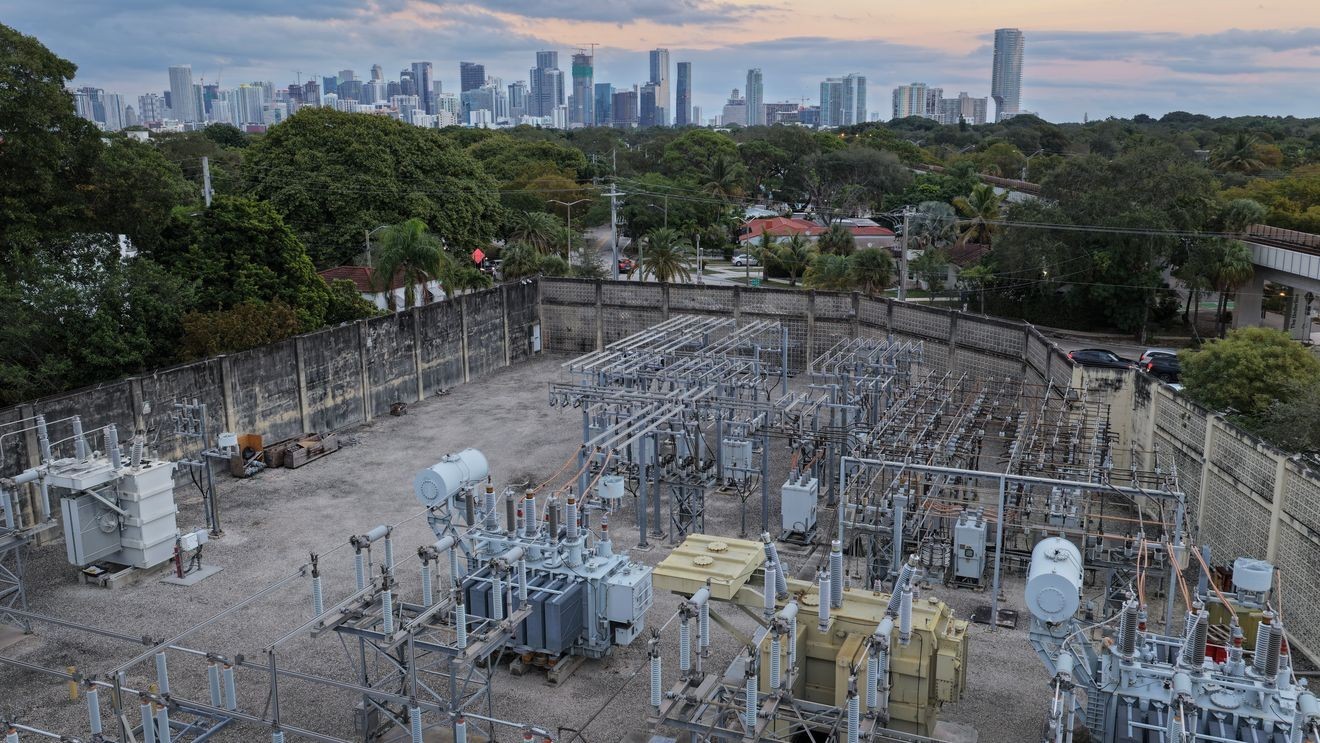
Aging infrastructure across much of the country’s electrical grid requires costly upgrades and replacements, while regional capacity shortfalls have created reliability concerns in some markets. These combined pressures have translated directly into higher consumer costs.
In response to the escalating energy prices, the Trump administration has announced plans to reduce electricity costs by expanding power generation capacity, with initial focus on the Mid-Atlantic region served by PJM Interconnection—the nation’s largest regional transmission organization, serving 65 million customers across 13 states and the District of Columbia.
According to a Department of Energy fact sheet, the administration is pushing PJM to accelerate construction of new “reliable baseload” generation—specifically mentioning coal, natural gas, and nuclear power plants. The strategy represents a significant shift toward traditional energy sources compared to recent years’ emphasis on renewable expansion.
The DOE says the National Energy Dominance Council has already announced an agreement with governors in the PJM region to push for more than $15 billion in new reliable generation capacity. This investment would aim to address both immediate price concerns and longer-term capacity needs as demand continues to grow.
A key element of the administration’s plan involves cost allocation for these new investments. Rather than having residential customers bear the financial burden of expanding the grid, the DOE proposes that PJM require data centers to pay for new generation built to accommodate their massive electricity demands—whether they ultimately use the full capacity or not.
“Data centers should pay their fair share for the strain they’re putting on our electrical infrastructure,” said a senior administration official who requested anonymity to discuss the plan. “The average American family shouldn’t be subsidizing the energy needs of tech giants.”
Energy analysts have mixed reactions to the proposal. Proponents argue that targeted cost allocation could protect consumers while ensuring adequate capacity. Critics question whether the focus on traditional baseload generation aligns with broader climate goals and whether the plan adequately addresses transmission constraints.
Market observers note that any significant change in energy infrastructure will take years to implement, meaning consumers are unlikely to see immediate relief from rising costs. In the meantime, NEADA and other organizations are encouraging eligible households to apply for assistance programs like the Low Income Home Energy Assistance Program (LIHEAP) to help manage winter heating costs.
As winter approaches, the debate over energy costs and infrastructure investment is likely to intensify, particularly in regions expecting higher-than-average heating demands due to seasonal weather forecasts.
Fact Checker
Verify the accuracy of this article using The Disinformation Commission analysis and real-time sources.

8 Comments
Data centers are essential for the modern digital economy, but their power consumption is a growing challenge. Having them contribute to grid upgrades and new generation could make sense, but the costs would likely get passed on to customers. Regulators will need to carefully weigh the tradeoffs and find an equitable solution.
The rising electricity costs are really putting pressure on household budgets. Data centers using a lot of power could be part of the solution by helping fund new generation, but they’ll need to balance that against their own costs. Hopefully regulators can find a fair way to share the burden across all electricity users.
It’s an interesting question whether data centers should help fund new power generation. On one hand, they are major electricity consumers, so contributing to grid upgrades could be justified. But the costs could get passed on to customers, raising concerns about affordability. A balanced approach seems wise to meet growing power demands.
Data centers require a lot of reliable, affordable power to operate. So I can see the argument for them pitching in to build new generation capacity. But that raises tricky questions about how much they should pay and how that gets passed on. It’s a complex issue without easy answers.
As electricity prices keep climbing, the role of major consumers like data centers is an important consideration. They undoubtedly benefit from a robust, dependable grid, so contributing to infrastructure upgrades could be reasonable. But the details around cost-sharing would need to be carefully worked out to avoid unfairly burdening residential customers.
I can see the logic of having data centers help fund new power generation, given their massive electricity usage. But the devil will be in the details – how much should they pay, and how can that be structured to avoid unfairly impacting household budgets? It’s a tough balancing act for policymakers.
This is a challenging issue with valid arguments on both sides. Data centers need reliable power, but residential consumers are already struggling with high heating and electricity costs. Some kind of shared responsibility or cost-allocation model may be needed to balance the interests. It’s the kind of complex problem regulators will have to grapple with.
This is a complex issue without easy answers. On one hand, data centers are major electricity consumers who could help fund new power generation. But on the other, passing those costs to customers could further strain household budgets already squeezed by high heating and electricity prices. Policymakers will need to find a balanced approach.